MOM WHO GAVE UP SON AT 15 REUNITED WITH HIM 20 YEARS LATER
A Utah birth mother reunion came with a twist: she and the son she placed for adoption worked at the same hospital.
Holly Shearer, who was 15 when she became pregnant, sat down to dinner with her son, Benjamin Hulleberg, and his adoptive parents, Brian and Angela Hulleberg, on November 21, 2021. It was 20 years after the adoption.
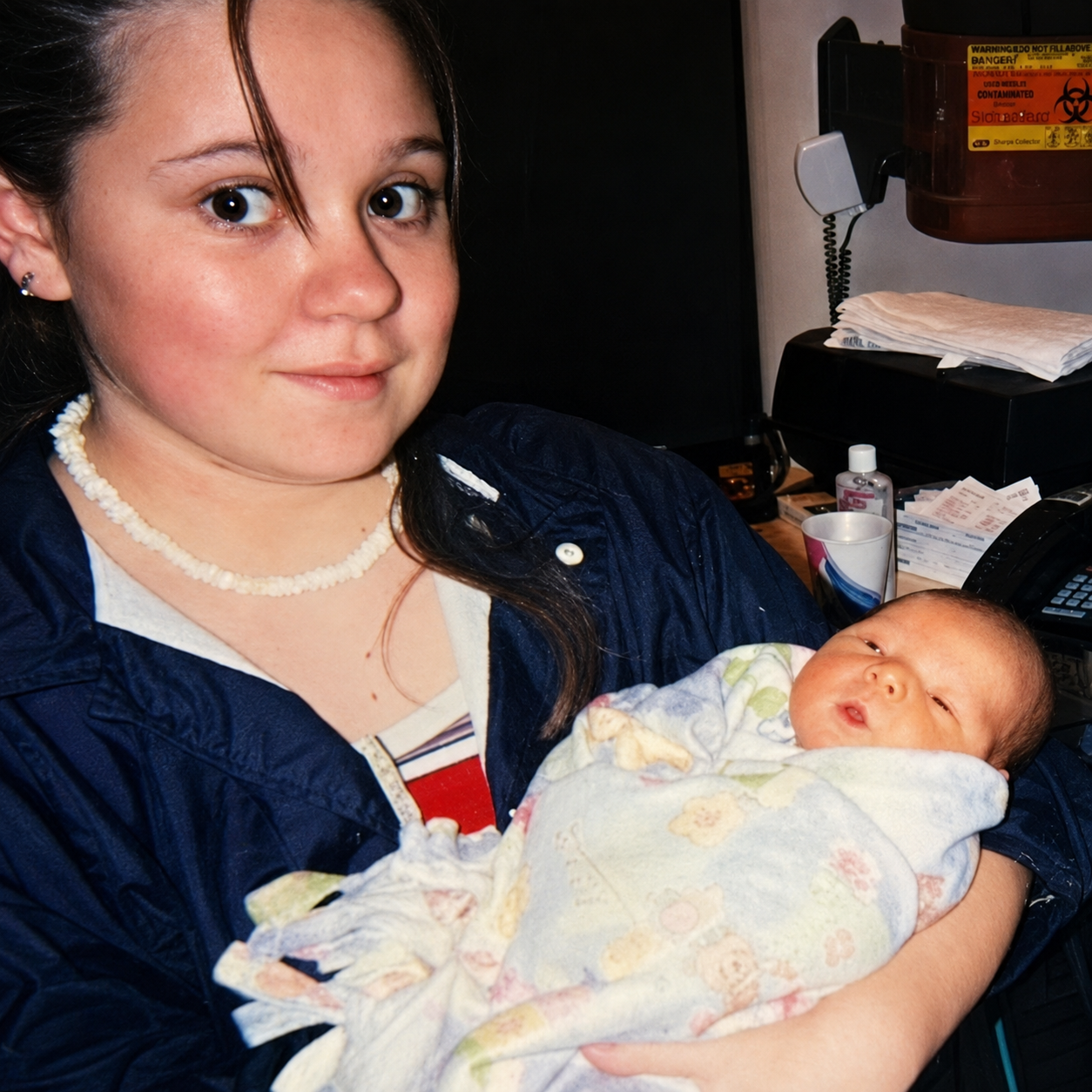
Shearer made the call to place Benjamin for adoption while still a teenager. “When I handed Benjamin to them, it was the hardest decision I’ve ever had to make,” she told FOX 13 Utah.
She picked Brian and Angela, a couple who had struggled with infertility. The adoption was closed.
Shearer and Angela still kept in touch for about the first three years of Benjamin’s life, Utah Public Radio reported. Then contact faded.
Angela never let Benjamin forget where he came from, though. He knew he was adopted from a young age, and she kept telling him about his birth mother.
Angela told FOX 13 she had unconditional love for Benjamin’s biological mother and recognized the sacrifice Shearer made at 15.
The Facebook message
Benjamin had been looking for her. ABC News reported he had written letters, joined an adoption registry and taken a DNA test while trying to find his biological mother.
In the end, Shearer found him. She contacted Benjamin through Facebook on his 20th birthday in November 2021.
He had no idea who was writing at first. “She reached out to me, and at first I didn’t know who she was, but when I asked and she told me who she was, it was a stellar moment,” Benjamin told FOX 13.
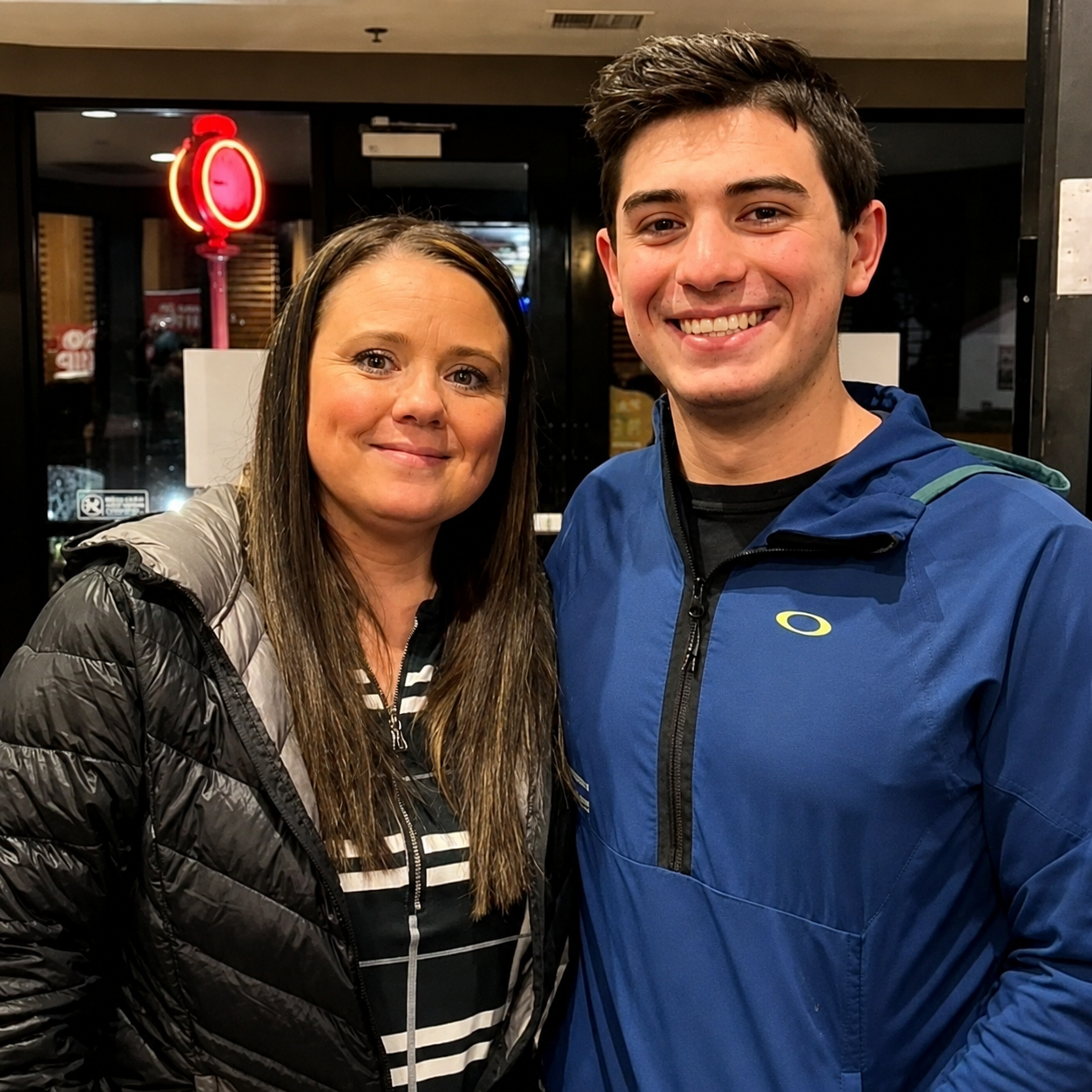
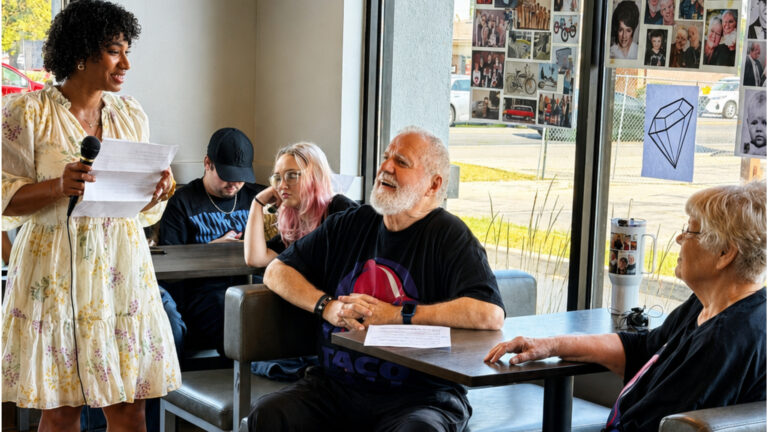
The families met for dinner on November 21, 2021, and the conversation ran more than three hours, ABC News reported.
Benjamin said the reunion came when he least expected it but when he most needed it.
What happened next
The dinner turned up a coincidence nobody saw coming. Shearer and Benjamin both worked at St. Mark’s Hospital in Utah, FOX 13 News reported.
Shearer worked as a medical assistant in the hospital’s heart center. Benjamin volunteered in its newborn intensive care unit.
They had been walking the same halls without knowing they were mother and son.
After the reunion, Benjamin also connected with a younger half-brother and half-sister, ABC News reported.
He also tried to meet Shearer at her office at least once a week, according to the same report.
Shearer and Benjamin had been connected with St. Mark’s Hospital for about two years without knowing they were related.