FRAT LEADERS ARRESTED AFTER 30 PLEDGES FOUND IN 81-DEGREE BASEMENT
American Greek life often paints a picture of brotherhood, networking, and social prestige. However, the dark underbelly of these organizations frequently reveals itself through grueling initiation rituals that cross the line from bonding to battery. A recent intervention by law enforcement in Wisconsin has reignited the national conversation about why these secret societies continue to operate even after they have been officially banned by their host institutions.
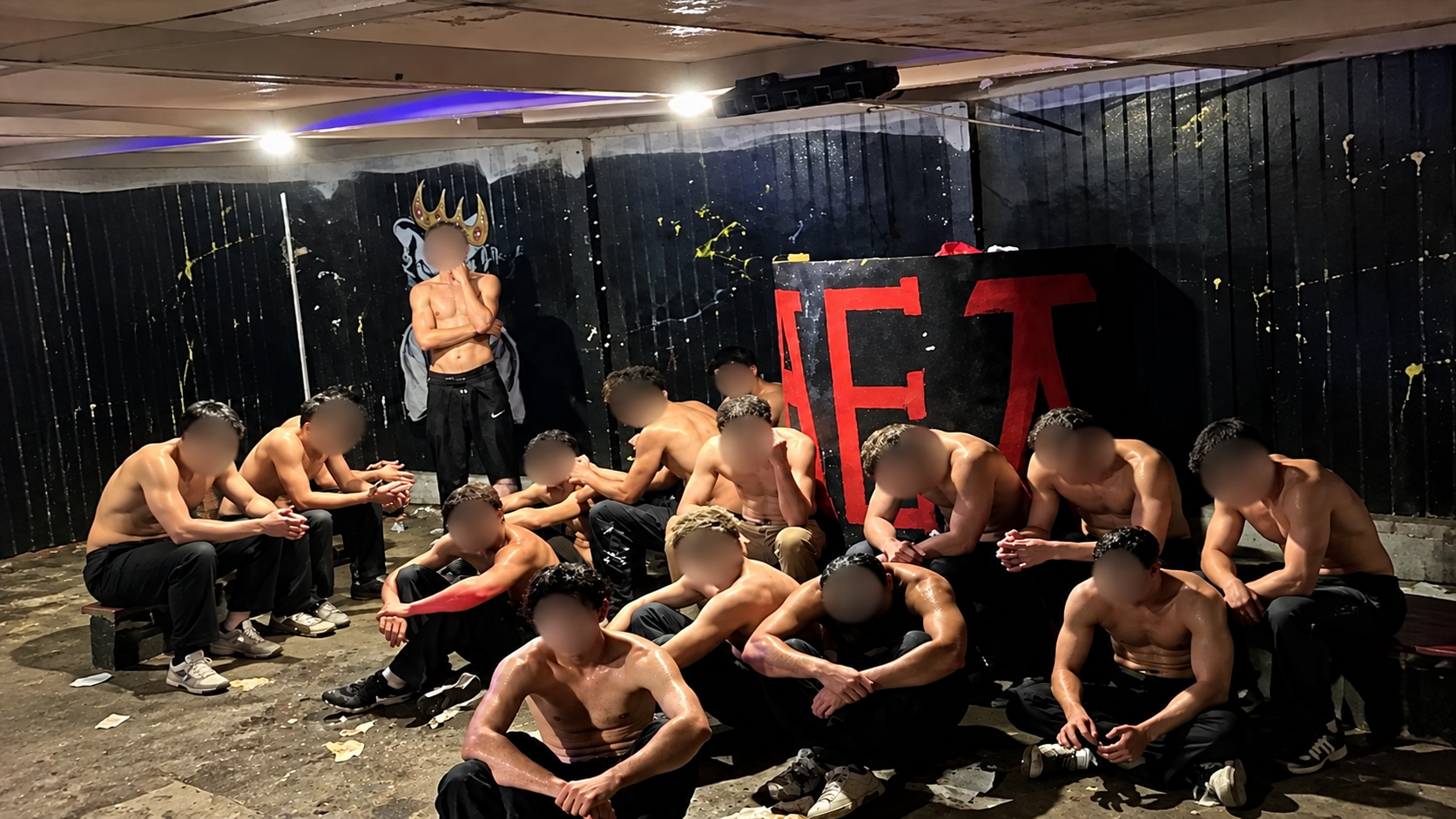
In late September 2026, the Madison Police Department responded to an anonymous tip that led them to the basement of a large house near the University of Wisconsin-Madison campus. What they discovered inside was a scene described as both chaotic and stomach-churning. Officers found approximately 30 young men, most only 18 years old, trapped in a basement where the thermostat had been cranked up to a sweltering 81 degrees. The pledges were shirtless and stood in a space described by authorities as filthy, with the humidity making the environment nearly unbearable.
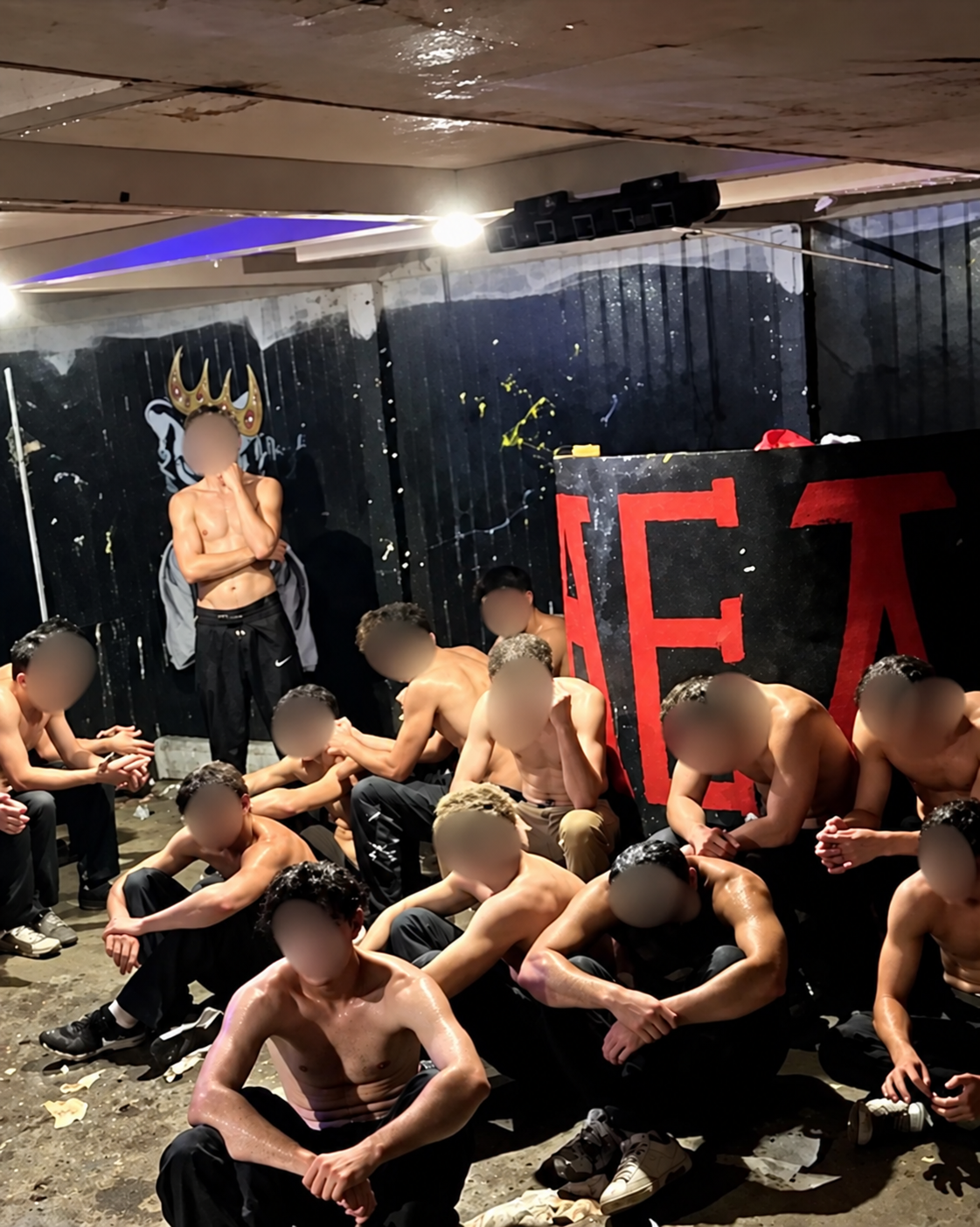
The physical state of these students was the most alarming part of the discovery. The young men were drenched in various condiments, food items, and unidentified liquids. More importantly, police noted that several of the students bore visible physical injuries. These marks were consistent with physical assault, suggesting that the “bonding” ritual had devolved into actual violence. The scene serves as a visceral reminder of how quickly peer pressure and hierarchy can morph into something dangerous behind closed doors.
Following the raid, two 20-year-old leaders of the group, Brayden Klein and Samuel Vane, were taken into custody. Both men face charges of hazing and disorderly conduct. While they were released from the Dane County Jail after posting $400 bail each, the legal ramifications are likely just beginning. The Madison Police Department continues to investigate the scope of the incident to determine if more members of the organization should face prosecution for the injuries sustained by the freshmen.
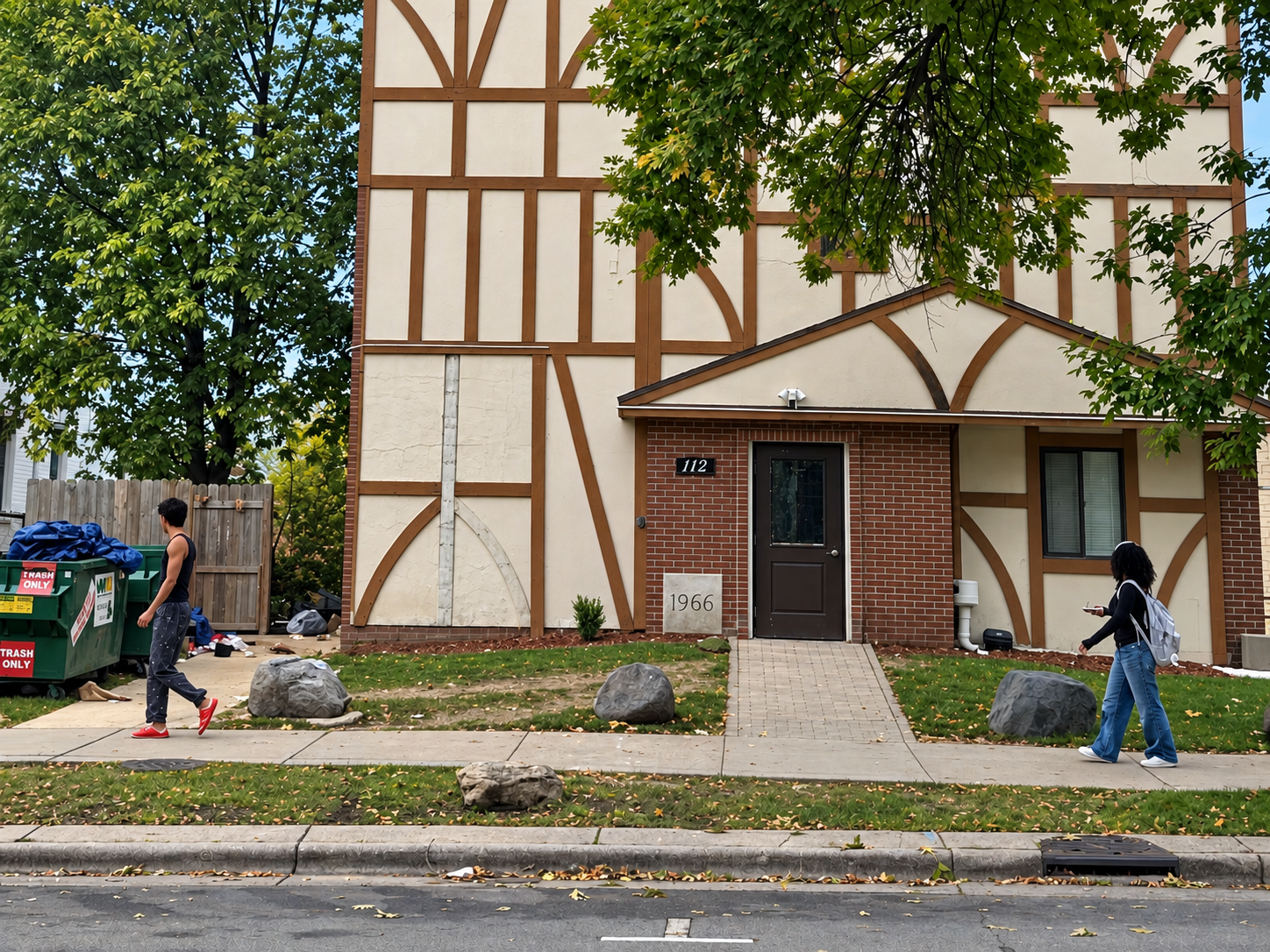
This specific organization, Alpha Epsilon Pi, occupies a strange legal gray area that is becoming increasingly common in college towns. The University of Wisconsin-Madison officially revoked the chapter’s recognition back in 2015. For over a decade, the school has had no formal relationship with the group. However, the national Alpha Epsilon Pi headquarters continued to recognize the Madison chapter, allowing it to maintain a physical house and recruit members without any oversight from university administrators.
This “underground” status is exactly what anti-hazing advocates warn about. When a fraternity is officially recognized, it must adhere to university safety standards, undergo regular inspections, and follow strict conduct codes. Once a group is booted off campus but continues to operate privately, it becomes a ghost organization. Without the watchful eye of a Dean of Students or Greek Life coordinators, these groups often lean into more extreme behaviors, shielded by the privacy of a rented house and the silence of their members.
The national Alpha Epsilon Pi organization, founded in 1913 as a Jewish fraternity, released a stern statement following the arrests. They claimed a zero-tolerance policy toward hazing, stating that anyone found guilty of criminal conduct would be expelled from the brotherhood. They also expressed a desire to see the university take disciplinary action against the students involved, despite the chapter not being an official campus entity.
Public reaction has been a mix of exhaustion and outrage. On social media and student forums, many are questioning how a group “banned” for ten years was allowed to continue hosting large-scale events right under the nose of the university. Others point to the grim statistics surrounding these rituals. Since the year 2000, the United States has seen nearly 130 hazing-related deaths, averaging five fatalities every single year. The Wisconsin incident, while not fatal, fits a pattern of behavior that advocates say is baked into the DNA of certain Greek organizations.
The broader implication for the University of Wisconsin-Madison is a legal and ethical crossroads. While they cannot easily stop a private group of adults from hanging out in a house they rent, the school has signaled it will investigate any students involved for violations of the general student code of conduct. As this case moves toward a courtroom, it serves as a warning to other “off-campus” chapters: being unrecognized by a university does not mean you are above the law.