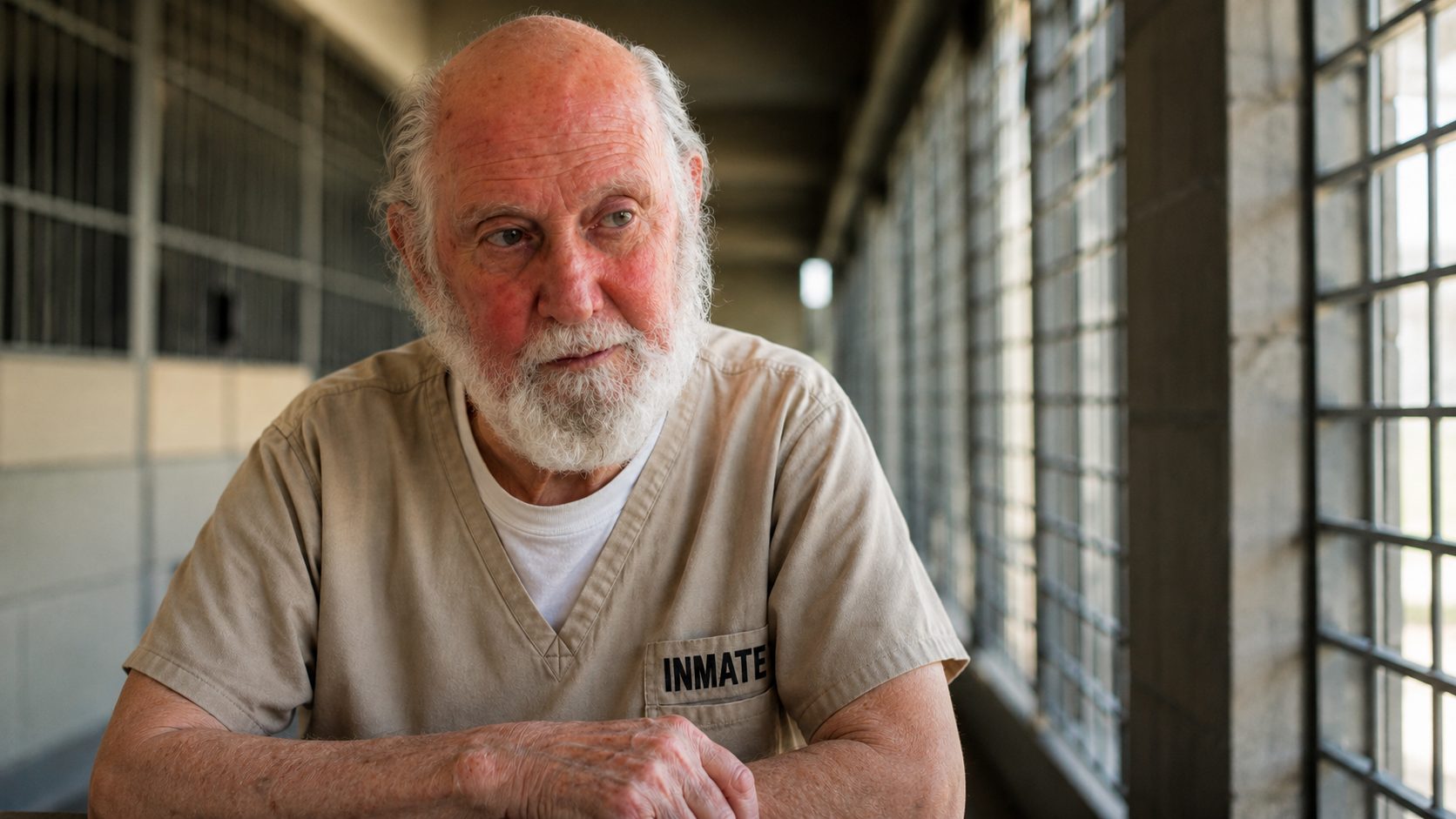
CONNECTICUT MAN WHO DODGED 8 EXECUTIONS DIED AT 101
A 101-year-old Connecticut man who dodged eight scheduled executions has died, ending one of the longest known prison terms in American history. Francis Clifford Smith always insisted he was innocent of the murder that put him on death row.
Smith died in his sleep on June 25, 2026, at 60 West, a secure nursing facility in Rocky Hill, Connecticut, that serves older people in the justice system. He was under supervised parole at the time, and the Connecticut Department of Correction confirmed his death, The New York Times and Cleveland.com reported.
“Essentially, he died of old age,” David Skoczulek, spokesman for 60 West, told the BBC.
A Connecticut official identified only as Banevicius gave the BBC a blunt summary of the long life. “He was 101 and a half,” the official said, adding: “He did pretty well as far as longevity is concerned.”
“He had very limited family involvement around his passing but we assured it was appropriate, met his wishes and was dignified,” Skoczulek also said.
Eight reprieves and a commutation
Smith’s story began with a 1950 first-degree murder conviction for killing Grover Hart, a yacht-club night watchman. The Times reported that Hart was fatally shot during a robbery.
Smith was sentenced to death.
Then came the reprieves. Execution dates were set and then halted or postponed eight times, and questions about his conviction persisted, Cleveland.com reported.
In 1954, his death sentence was commuted to life imprisonment.
Seven decades under supervision
Smith spent more than 70 years under the supervision of Connecticut’s correctional system, Cleveland.com reported. The Times described his incarceration as one of the longest known terms in American history.
Parole was available to him well before the end, though. Richard Sparaco, a former executive director of Connecticut’s Board of Pardons and Paroles, told the BBC that Smith turned down several later chances to return to parole until 2020.
That year he was granted supervised parole and moved to a care home for elderly people within the justice system. The Boston Globe also reported the move to a nursing facility.
The BBC reported that Smith reportedly had dementia near the end of his life, but a Connecticut official would not confirm a diagnosis.
People who knew him told the BBC that he held to his claim of innocence until he died.
Smith was later cremated, the BBC and the Boston Globe reported.