CHINESE WOMAN MARRIES TERMINAL CANCER PATIENT TO GET HIS KIDNEY—BUT THEY FALL IN LOVE, REGAIN THEIR HEALTH, AND REMAIN TOGETHER

Desperation often drives people to make choices that look like the plot of a dark thriller. When life hangs in the balance, the line between morality and survival begins to blur. For many, the idea of marrying a stranger for a body part sounds like a nightmare. Yet, for one woman in China, a cold-blooded business transaction transformed into an unexpected fairy tale.

In 2011, the world learned the story of Wang Xuanjun. She was a woman facing a terrifying medical reality that most of us can only imagine. Her health was failing rapidly due to kidney disease. In China, as in many parts of the world, the waiting list for organ transplants is agonizingly long. Years can pass while patients tethered to dialysis machines watch their lives slip away. Wang did not have years to wait.

She took a gamble that many would find unthinkable. She placed an advertisement seeking a husband who would be willing to donate his kidney to her. It was a literal life-for-a-life proposal. She offered marriage in exchange for the biological gift of survival. It was a contract signed in blood and desperation, stripping the romance out of the most sacred human union.

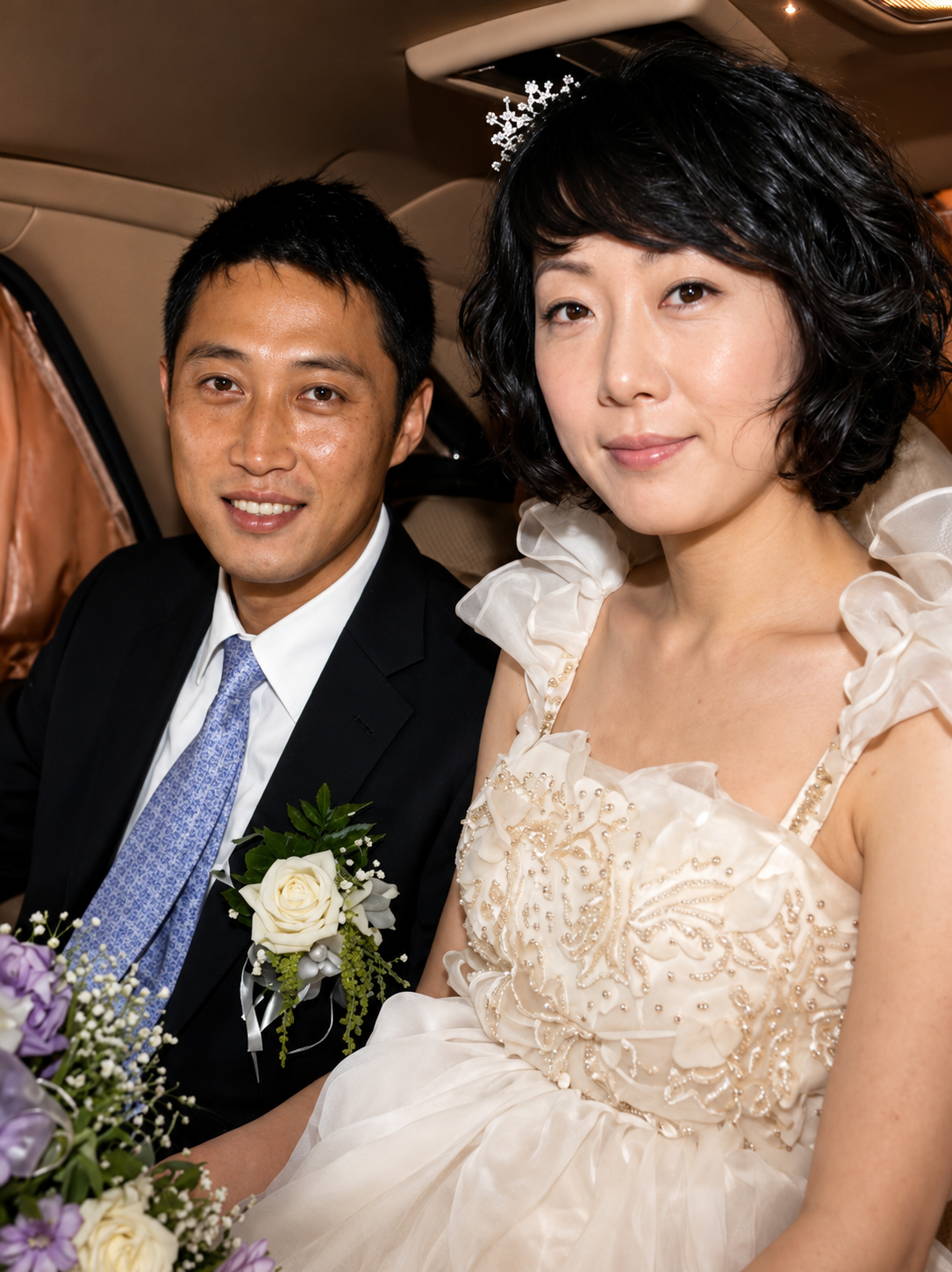
A man named Yu Lianbin answered the call. Yu was facing his own mortality, battling cancer at the time. He saw the advertisement and decided to step forward. On paper, it was a grim pairing. Two people, both ravaged by illness, entering a legal union solely to facilitate a medical procedure. They wed shortly after meeting, driven by the urgent need for a surgical match.

The story takes a sharp turn here. Usually, these stories end in tragedy or legal battles. Instead, the transplant surgery failed to move forward as planned. The medical hurdles were too great at the time. Yet, the marriage did not dissolve. The two individuals, brought together by a transactional need for an organ, found something they had not put in the contract. They found a genuine, deep-seated emotional connection.

This highlights a fascinating phenomenon in human psychology. Shared trauma often builds bonds faster than shared joy. Psychologists call this “traumatic bonding.” When two people face the threat of death together, the superficial layers of social interaction vanish. Wang and Yu did not have time for small talk or dating games. They were fighting for their lives in the same trenches.

Cultural context plays a massive role in this story. In China, organ donation rates have historically been very low. Traditional beliefs often emphasize keeping the body intact after death. This has created a massive shortage of legal donors. Because of this, desperate patients often look for loopholes. Marrying a donor is one way to bypass certain legal restrictions regarding non-related donations. It is a gray area that navigates the thin line between altruism and underground markets.

The public reaction to the couple has been a mix of shock and admiration. Many internet users initially viewed the move as a cynical ploy to jump the transplant queue. However, as years passed, the couple remained together. Their devotion to one another silenced the critics. They proved that even if the foundation of a house is built on a utilitarian deal, the home itself can be filled with warmth.

Their story forces us to look at the ethics of the global organ shortage. Every day, seventeen people die in the United States alone waiting for a transplant. When the system fails, people turn to extreme measures. We see “kidney tourism” in parts of Southeast Asia and “marriage for organs” in other regions. These acts are symptoms of a global medical crisis that lacks an easy solution.

Wang and Yu survived their initial crises and built a life together that spanned over a decade. They became caretakers for one another. The woman who wanted a kidney found a partner who gave her his heart instead. The man who was battling cancer found a reason to keep fighting. It serves as a reminder that the human spirit can thrive in the most sterile environments.

What happens next for the couple remains a testament to the unpredictability of life. They moved past the clinical contract and into a realm of genuine companionship. Their journey suggests that love does not always start with a spark or a glance across a crowded room. Sometimes, it starts with a desperate ad and a shared medical file. It is a strange, beautiful, and slightly haunting look at how we survive the unthinkable.

Similar Posts