UPS DRIVER STOPS DELIVERY TO SAVE COLLAPSED GRANDMOTHER’S LIFE
In an age of automated notifications and contactless drop-offs, the relationship between a delivery driver and a neighborhood often feels transactional. We track the truck on a map, wait for the porch ping, and grab the box without ever making eye contact. But for one family in Valdosta, Georgia, the man in the brown truck represents something far more significant than a logistics employee. He represents the thin line between life and death.
The story began during a routine shift in late 2024. Raheem Cooper, a UPS driver known for his steady presence on his route, was navigating a local neighborhood when he spotted something that did not fit the afternoon scenery. Marie Coble, a 78-year-old resident, lay motionless in her driveway. She had collapsed, and in the sweltering Georgia heat, every passing second increased the risk of a tragic outcome. Cooper did not simply call it in and wait; he jumped into immediate action.
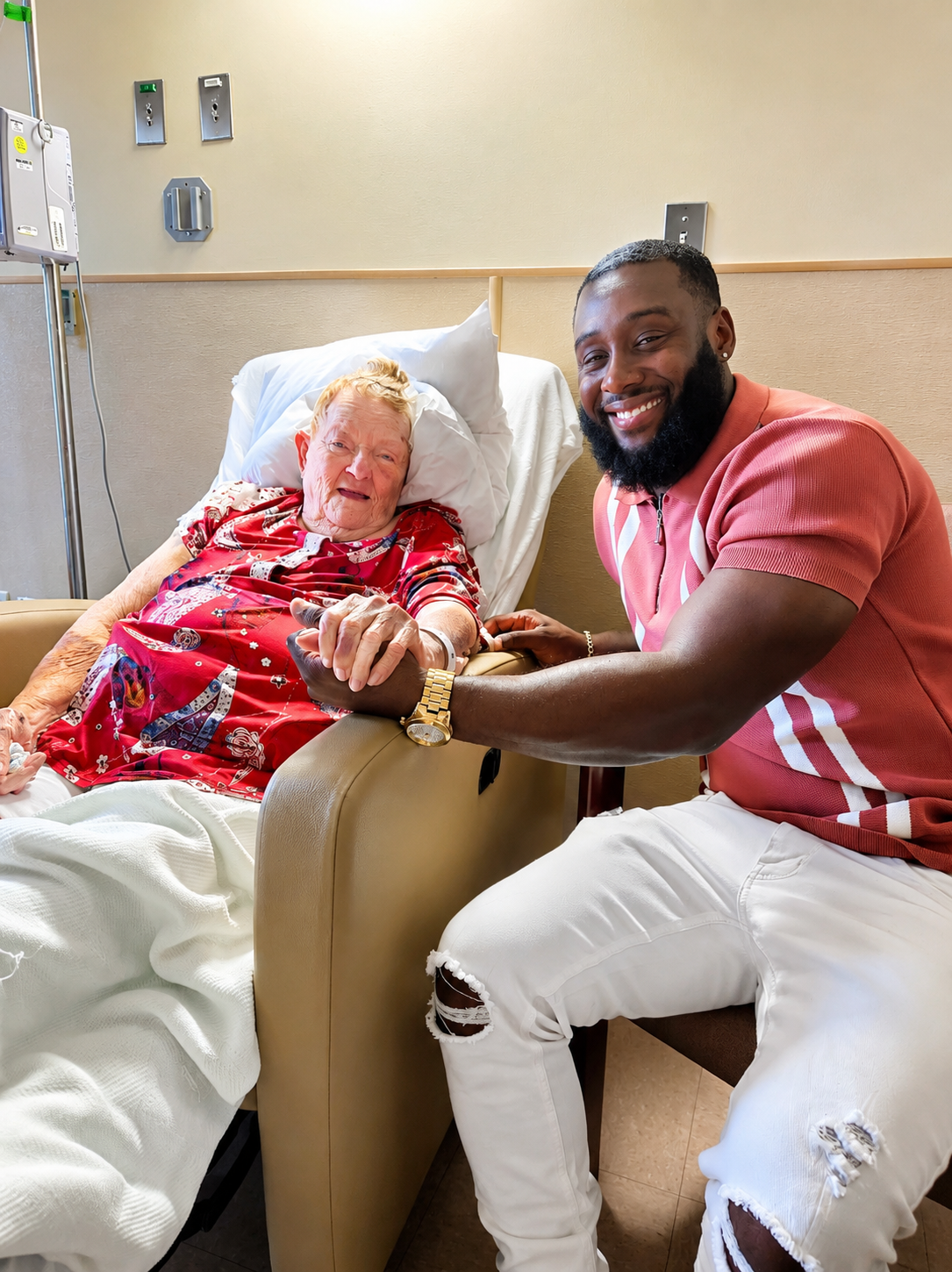
Medical professionals later confirmed the gravity of the situation. The fall had caused significant brain damage, necessitating a gauntlet of surgeries and hospitalizations. Had Cooper not stopped, the outcome likely would have been fatal. But while many “good Samaritan” stories end once the sirens fade away, this connection deepened. In June 2025, the community learned that the bond between the driver and the family has only strengthened as they face an even more daunting challenge.
The reality of elderly care in America often highlights the isolation of the aging population. According to the National Poll on Healthy Aging, nearly one in three seniors reports feeling lonely. In many suburban environments, delivery drivers are among the few people who pass by a home every single day. They become the unofficial eyes and ears of the street. Cooper’s vigilance is a reminder of the “neighborly” infrastructure that exists within the gig and delivery economy, where workers often notice when mail piles up or when a regular resident isn’t tending to their garden.
For Marie Coble, the recovery from the fall was only the beginning of a difficult road. Her granddaughter, Kayla Cochran, recently shared the heartbreaking news that Marie is now battling stage four lung cancer. Doctors have estimated she has roughly six months to live. The family’s focus has shifted from rehabilitation to palliative care, trying to honor Marie’s wish to remain in her own home. This transition requires 24-hour supervision, a massive emotional and financial undertaking for any family.
Throughout this ten-month ordeal, Cooper hasn’t been a stranger. He has maintained constant contact with the family, checking in on Marie’s stability and offering emotional support. The driver admitted that the recent cancer diagnosis was a shock, especially after the hope that followed her survival of the initial fall. “He’s still a part of our lives,” Cochran noted, describing Cooper as a literal angel who granted them another year with their matriarch.
Public reaction to the story has been a mix of heartbreak and admiration. On social media, users often point out that delivery drivers are overworked and under tight deadlines, making Cooper’s willingness to stop and stay involved even more commendable. In Valdosta, the story has sparked a conversation about the need for better support systems for the elderly. A GoFundMe was established to help the family manage the crushing weight of medical bills and the costs associated with around-the-clock home care.
The logistics industry often measures success in “last-mile” efficiency—the speed at which a package moves from a local hub to a doorstep. But this incident redefines the value of that last mile. It isn’t just about the cardboard box; it is about the human presence in the neighborhood. Cooper’s actions reflect a level of community stewardship that no algorithm can replicate.
As Marie Coble continues her fight, her family remains focused on positivity and comfort. Cooper is currently making plans for another visit, proving that his commitment to the people on his route goes far beyond his job description. It serves as a poignant reminder that while we often look for heroes in big headlines, they are usually just the people doing their jobs with their eyes wide open.