TAMAGOTCHI’S $48 VIRTUAL PET RING IS NOW UP FOR PRE-ORDER
Nostalgia usually arrives in waves, but for the digital pet generation, it seems the tide never actually went out. For decades, we have carried these needy, pixelated creatures in our pockets, dangling from keychains, and eventually migrating to our smartphones. Now, in a move that bridges the gap between high-tech wearable and quirky fashion statement, the virtual pet is moving to the hand.
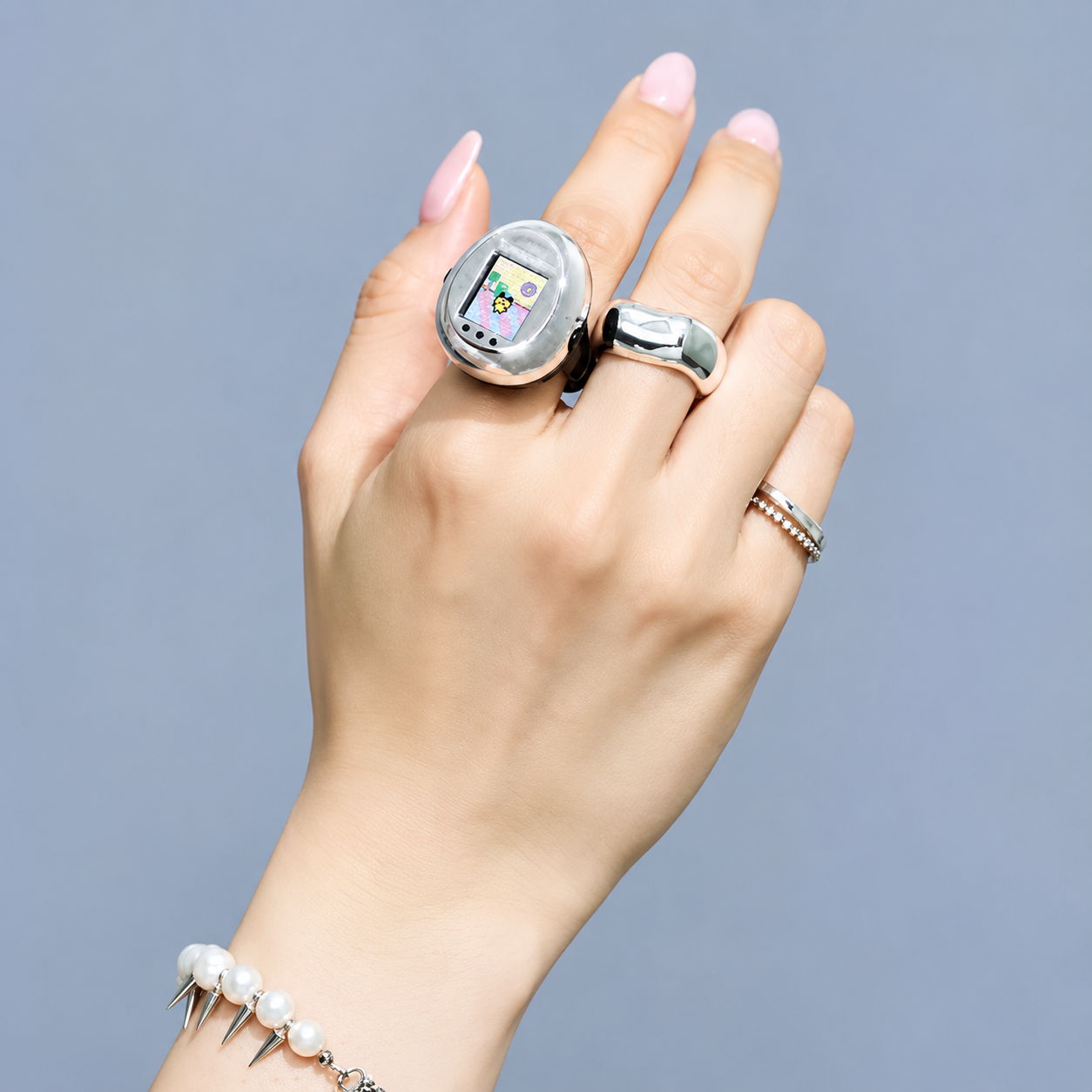
The year 2026 marks a bizarrely stylish milestone for Bandai Namco as they shrink their iconic toy into a piece of jewelry. This is not just a plastic ring meant for a child’s dress-up box; it is a functional, living piece of tech. By condensing the entire Tamagotchi experience into something that fits on a knuckle, the brand is betting that adults are finally ready to wear their childhood responsibilities on their sleeves—or rather, their fingers.
The mechanics of the new Tamagotchi Ring are surprisingly robust for its diminutive size. Measuring just 1.1 inches tall and roughly an inch wide, the device houses what Bandai calls the “world’s smallest” full-color LCD screen for the brand. It avoids the bulky batteries of the 1990s in favor of a dedicated charger, ensuring your digital companion stays powered through the day. The hardware comes in three distinct color palettes: pink and pearl white, light blue and metallic gold, and a sleek black and metallic silver.
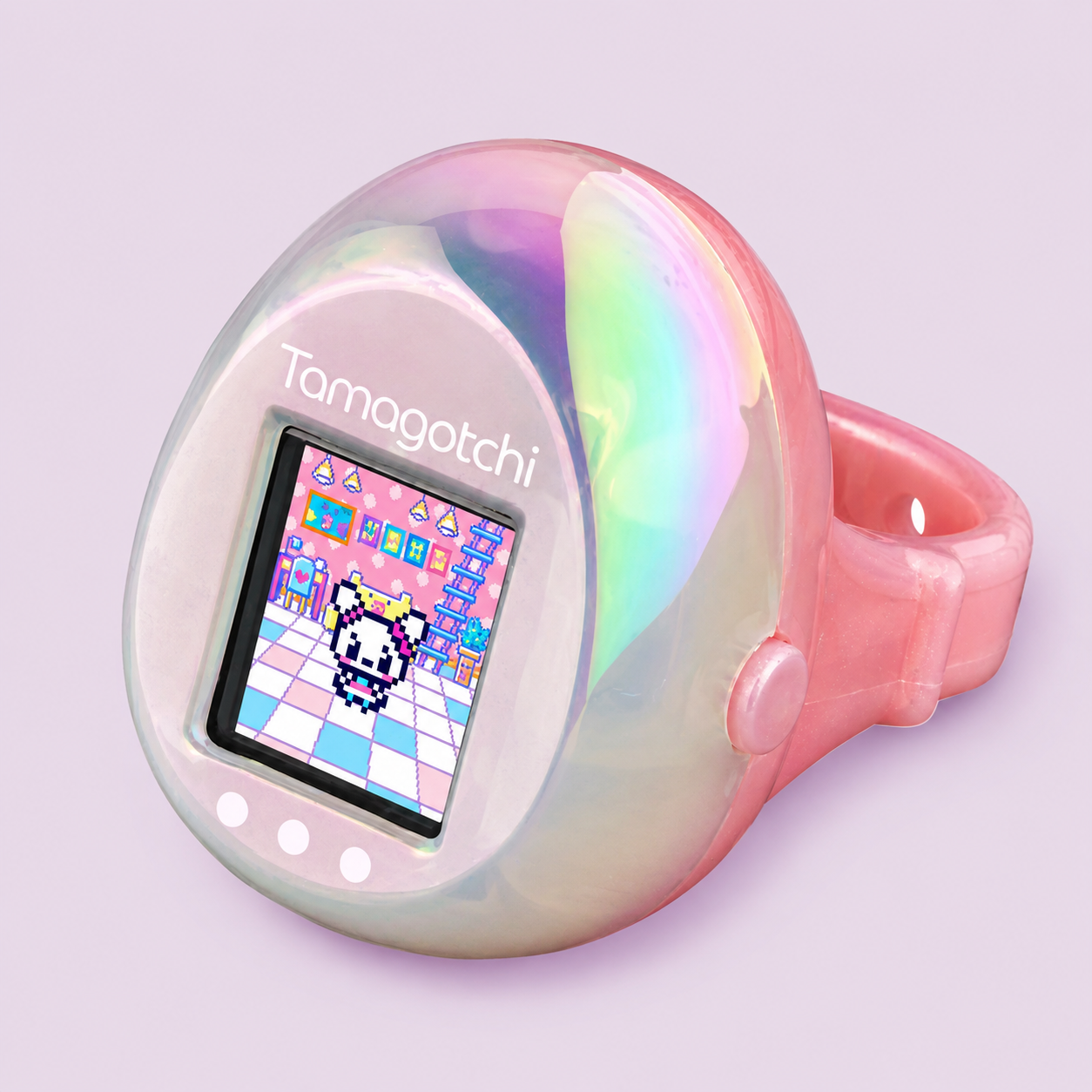
Despite the shrinking footprint, the stakes remain high for the owner. You are still tethered to the lifecycle of a pixelated alien. The core loop remains intact: you must feed it, clean up its digital waste, and provide attention to keep its happiness meter full. If you succeed, the creature evolves. Bandai has packed 30 different characters into the ring’s software, providing enough variety to keep the “pet parent” engaged for months. However, the social cost of failure is now much higher. Neglecting your pet means walking around with a tiny digital tombstone on your hand until you restart the cycle.
This shift toward “smart jewelry” that prioritizes play over productivity is a fascinating pivot in the wearable market. While the Apple Watch and Oura Ring focus on heart rates and sleep cycles, the Tamagotchi Ring focuses on dopamine and caretaking. It taps into a growing cultural trend of “kidulting,” where adults reclaim the toys of their youth as a form of stress relief or identity expression. By turning the toy into a ring, Bandai transforms it from a hidden distraction into a public conversation starter.
The history of the Tamagotchi is one of constant reinvention. When it first launched in Japan in 1996, it was a social phenomenon that led to bans in schools and headlines about “virtual pet grief.” Over the years, we have seen Tamagotchis with infrared sensors for “dating” other pets, versions with cameras, and even smartwatch iterations. This 2026 ring release follows a similar pattern of the brand adapting to how we carry tech today. It joins a small but growing market of niche gaming jewelry, such as the official Pokémon wedding bands that have become popular for couples looking to add a geeky flair to their nuptials.
Reaction to the announcement has been a mix of delight and genuine anxiety. Longtime fans on social media have voiced concerns about the logistics of cleaning up “digital poop” during a business meeting or a first date. Others have noted that the price point—approximately $48 (¥7,700)—makes it an accessible luxury compared to other tech wearables. The “flex” of raising a rare character on your ring finger has already become a talking point among collectors who view these devices as status symbols within the retro-gaming community.
What happens next will likely depend on the success of the initial launch. Pre-orders are currently slated to run through early October 2026, with the first units shipping out to finger-tips in February 2027. If the rings sell out, we can likely expect more collaborations or perhaps even “pro” versions with Bluetooth connectivity. As our lives become increasingly digital, the line between what we wear and what we play continues to blur. Whether this is the future of fashion or just a fleeting moment of nostalgia, one thing is certain: you’ll never look at a ring finger the same way again.