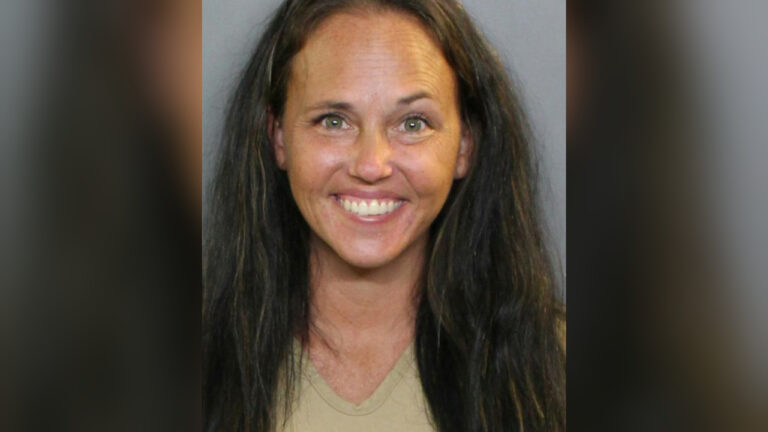
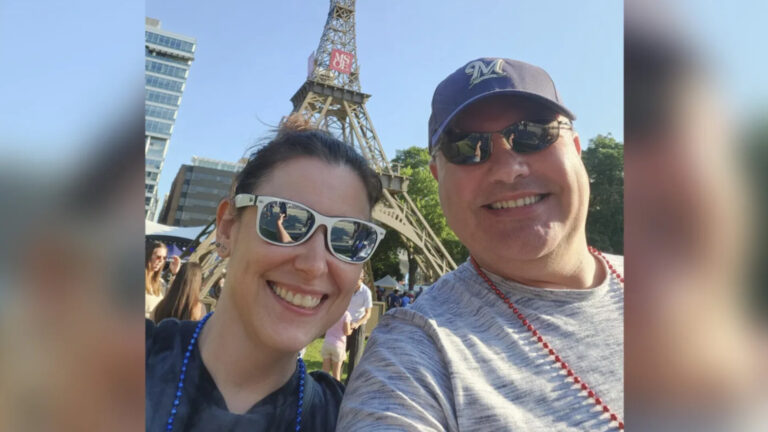
FLORIDA PASTOR, 55, SUED OPENAI OVER CHATGPT HEALTH ADVICE
A Florida pastor sued OpenAI, alleging ChatGPT medical advice kept him in a recliner as blood clots filled his lungs.
Scott Winters, 55, sued OpenAI and its chief executive, Sam Altman, in San Francisco County Superior Court in July 2026, the BBC reported.
The complaint says Winters suffered a massive pulmonary embolism, with blood clots in both lungs. It quotes doctors as saying the embolism was likely brought on by his immobility.
The lawsuit alleges ChatGPT drew on earlier conversations about his Christian faith to reassure him. In one alleged exchange, the chatbot told him: “God did not design your body to endlessly fail.”
What the lawsuit claims
According to the complaint, Winters turned to ChatGPT about recurring dizziness and blood-pressure instability in the weeks before his emergency.
Reuters reported that the lawsuit names GPT-4o as the chatbot version he used. It alleges that version recommended limiting movement and staying home.
The complaint also alleges ChatGPT advised him to stay in the recliner where he was largely confined. It says the chatbot downplayed his symptoms and discouraged him from seeking medical care.
Another alleged reply read: “God is still holding your body together, every heartbeat, every breath, even when it feels like you are on the brink.”
His lawyers wrote that ChatGPT “repeatedly and insistently misdiagnosed” him. They also alleged that its “sycophantic nature and authoritative tone, combined with its manipulation of Scott’s religious identity, cultivated in him a dangerous reliance on the tool.”
The lawsuit alleges that reliance isolated him from family and friends who urged him to go to a hospital. It says Winters resisted their efforts.
The complaint describes Winters as vulnerable. It says he lost his home and his career and faces years of physical and psychological recovery.
Tech Justice Law said the complaint brings eight causes of action, including negligence claims and alleged violations of California consumer protection and privacy laws. The group said the case was filed with the Social Media Victims Law Center and Temple University’s Institute for Law, Innovation & Technology.
What OpenAI said
OpenAI spokesperson Drew Pusateri responded in a statement to CBS News, the BBC’s U.S. news partner.
“ChatGPT is not a doctor and should never be used as a substitute for medical care, diagnosis or treatment,” he said.
Pusateri added that people commonly seek health information online. “AI can make that experience better by helping them find clearer answers, organise their questions and prepare for conversations with medical professionals,” he said.
ChatGPT’s terms of use advise people not to treat it as a sole source of truth for important decisions, including medical ones, the BBC reported.
Reuters described GPT-4o as an earlier ChatGPT version that OpenAI had since retired. ChatGPT has also turned up in the case of a Massachusetts teen arrested for murdering his mother and brother who used it to create “fantasy stories” about the murders.
What Winters wants
The suit seeks financial damages and an order requiring OpenAI to put safeguards in place. Reuters reported it also seeks an order requiring ChatGPT to end conversations when immediate medical help is needed.
The lawsuit also asks the court to pause the rollout of ChatGPT Health until third parties audit its safety, Reuters reported. The product lets users upload medical records and receive personalized health advice.
The case is pending in San Francisco County Superior Court, and the allegations have not been tested in court.