PRISONER SERVING 16 LIFE SENTENCES KILLS THREE SEX OFFENDERS IN ON DAY & SAYS “TAXPAYERS NO LONG HAVE TO PAY FOR THEM”
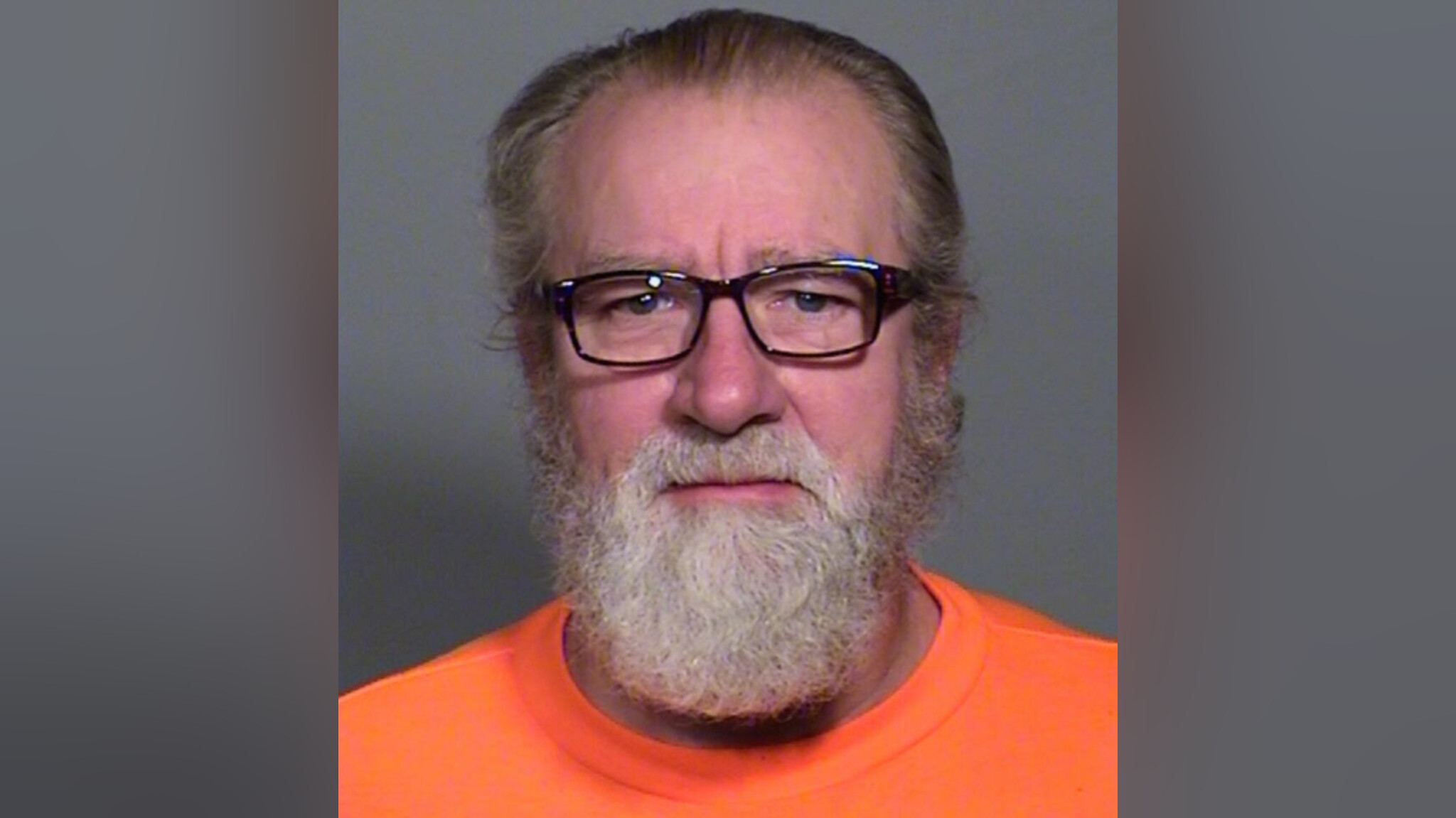
When a man is already serving 16 life sentences, the legal system usually considers the book closed. There is no more time to add to a calendar that already stretches past the horizon of a human lifespan. But for Ricky Wassenaar, a 63-year-old inmate in the Arizona prison system, the state believes a life behind bars is no longer a sufficient response to his actions.
In May 2026, the Pinal County Attorney’s Office officially signaled its intent to seek the death penalty against Wassenaar. This move follows a horrific string of violence within the walls of a Tucson correctional facility that left three men dead. The case is not just a standard murder trial; it is a complex collision of prison security failures, a self-styled vigilante mission, and a defendant who seems to enjoy the theater of the courtroom more than the solitude of his cell.
The nightmare began in late 2024 and peaked in April 2025. According to investigators, Wassenaar grew enraged when prison officials assigned Saul Alvarez, another inmate, to his cell within a specialized sex-offender unit. Wassenaar reportedly objected to the placement, but when his protests were ignored, he took matters into his own hands. He allegedly strangled and stabbed Alvarez to death inside their shared space.
Most prison violence stops at the cell door, but Wassenaar was reportedly just getting started. Following the initial killing, he allegedly weaponized a common laundry bag by placing a heavy rock inside it. He then approached a group of inmates waiting for breakfast outside the mess hall. Using the makeshift flail, he attacked the crowd, killing two more men identified as Thorne Harnage and Donald Lashley.
When later asked about his motivations, Wassenaar did not shy away from the carnage. In a phone interview, he explicitly targeted the nature of his victims’ past crimes, stating his desire was to eliminate individuals he perceived as predators. This “vigilante” narrative complicates the case, as it frames the murders not as random acts of prison chaos, but as a deliberate, ideological cleaning of the unit.
Seeking the death penalty in Arizona requires prosecutors to prove specific “aggravating factors.” These are elements that elevate a crime to what the law calls the “worst of the worst.” In this filing, prosecutors pointed to Wassenaar’s extensive and violent criminal history. He was already a notorious figure in the Arizona Department of Corrections due to a high-profile 2004 escape attempt that resulted in his current mountain of life sentences. His past includes convictions for kidnapping, armed robbery, and sexual assault.
The legal proceedings have already faced significant hurdles. The case had to be moved from Pima County to Pinal County because of a massive conflict of interest. Pima County Attorney Laura Conover’s office was responsible for the original prosecutions that put Wassenaar’s victims in prison, making it impossible for her to lead the case against their killer. Physical health also played a role in the delay; a ruptured appendix sent Wassenaar to the hospital for weeks, stalling his court appearances.
Perhaps the most volatile element of the upcoming trial is Wassenaar himself. He has a history of representing himself in court, often turning legal proceedings into what observers describe as a circus. His veteran capital defense attorney, Victoria Washington, recently withdrew from the case. While she cited ethical obligations under professional conduct rules, the departure leaves the court in a bind. They must now find two “death-qualified” attorneys willing to take on a client who has previously shown total disdain for the traditional legal process.
Prison homicides often go unnoticed by the general public, viewed as an internal matter of “criminals killing criminals.” However, the Wassenaar case highlights a systemic issue regarding how states manage violent offenders who have nothing left to lose. When a man is already serving multiple life terms, the threat of more time carries no weight. This creates a dangerous vacuum where the death penalty becomes the only remaining lever of state power.
As the case moves forward, a judge must first determine if there is enough probable cause to support the death penalty filing. If the trial proceeds, it will likely be one of the most guarded and high-tension events in the Arizona judicial calendar. The state is not just prosecuting a triple murder; they are attempting to put a final end to the career of a man who has spent decades making the prison system his own personal battlefield.