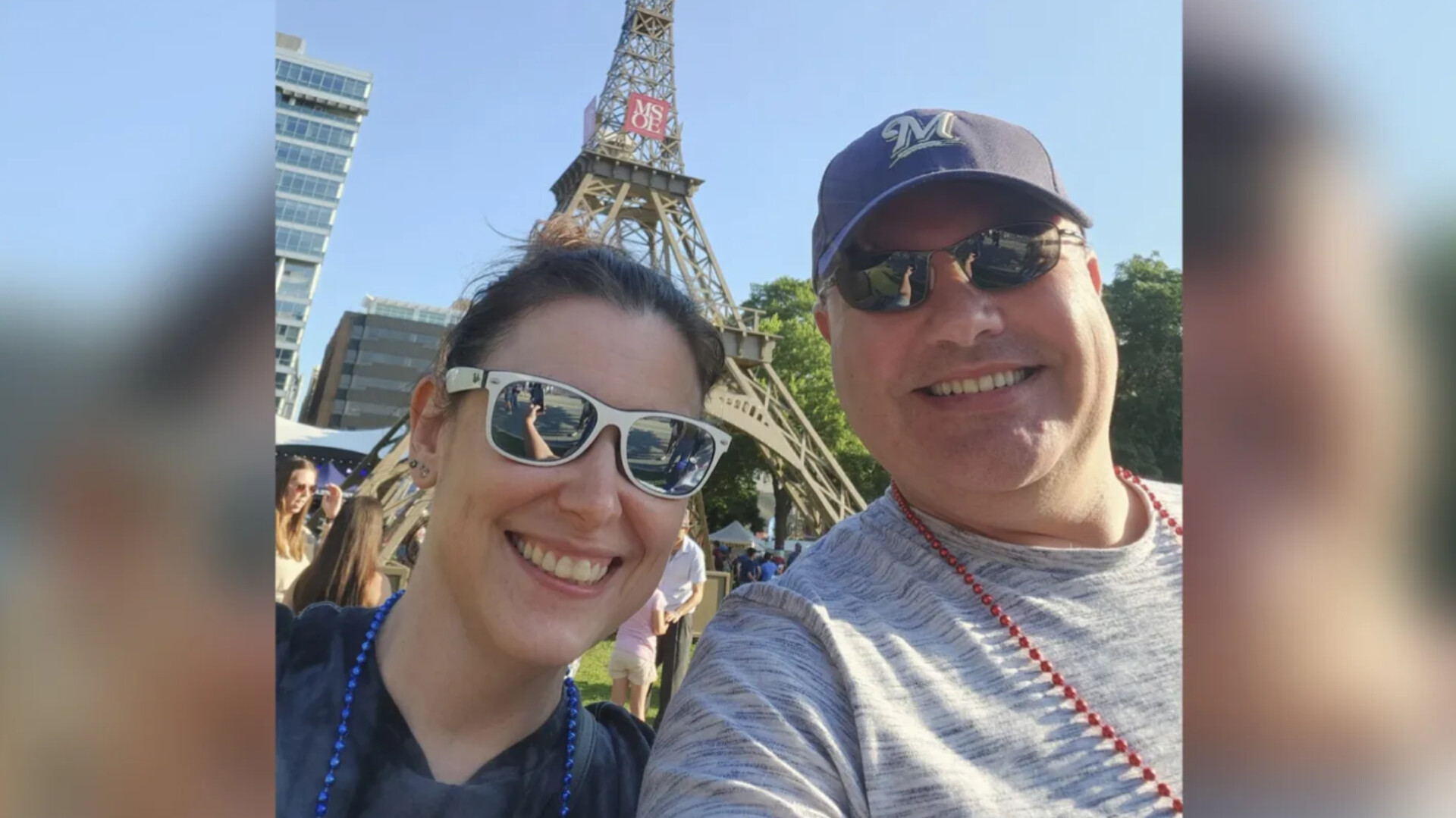
MILWAUKEE COUPLE RECEIVES $575,000 SETTLEMENT AFTER BEING SWATTED 55 TIMES IN A YEAR
Imagine waking up to a shotgun leveled at your face. Now imagine that happening nearly every week for a year. For most, this sounds like a recurring nightmare or a scene from a dystopian thriller. For Patrick Tomlinson and Niki Robinson, it was their reality in Milwaukee, Wisconsin. The couple endured a relentless campaign of harassment known as swatting, where anonymous callers trigger high-stakes police raids under false pretenses.
Between 2022 and 2023, the Milwaukee Police Department descended upon the couple’s home a staggering 55 times. Despite the officers eventually recognizing the address as a frequent target for hoaxes, the tactical responses continued. The ordeal finally reached a legal conclusion in 2024 when the city of Milwaukee approved a $575,000 settlement to resolve a federal lawsuit filed by the couple. The case highlights a dangerous gap in modern policing: the inability of law enforcement to adapt to digital-age harassment.
Swatting is not a new phenomenon, but it has evolved into a lethal weapon. It typically involves a caller using spoofing technology to mask their identity and location. They report a fake hostage situation, a murder, or a bomb threat to emergency dispatchers. Because these calls sound urgent, police must respond with maximum force. In the case of Tomlinson and Robinson, this meant officers arriving with ballistic shields and long guns, screaming orders at two innocent people who were simply trying to live their lives.
The couple did not stay silent during the year-long barrage. They contacted everyone from precinct sergeants to the police chief. Even the late Alderman Jonathan Brostoff intervened, emailing the department to state that the situation was horrific and needed to stop. Yet, the department’s internal bureaucracy seemed stuck. A sergeant’s memo revealed a rigid adherence to protocol, stating that police are required to respond to every call sent their way. This “by the book” approach turned the police into an unwitting tool for the couple’s harassers.
The legal battle centered on the Fourth Amendment, which protects citizens against unreasonable searches and seizures. The couple’s attorneys argued that after a certain point, these raids lost all “reasonableness.” If the police knew the calls were fake—which body camera footage confirmed they did—then entering the home by force was a constitutional violation. A federal judge agreed, noting that individual officers violated the couple’s rights multiple times. The settlement suggests the city realized a jury would likely find their lack of a specific swatting policy indefensible.
Public reaction to the settlement has been a mix of relief for the couple and frustration over the taxpayer cost. On social media and local forums, many residents expressed shock that it took a federal lawsuit to change the department’s behavior. The $575,000 payout comes directly from public funds, leading to calls for better training and intelligence gathering to prevent such astronomical waste. Critics argue that a simple “call-back” or verification protocol for known victim addresses could have saved the city over half a million dollars.
This incident mirrors a tragic 2017 case in Wichita, Kansas, where a man named Andrew Finch was shot and killed by police during a swatting call. The perpetrator in that case was a California man involved in a dispute over an online video game. The Milwaukee case shows that even when death is avoided, the psychological trauma and the erosion of trust in the law are devastating. Tomlinson and Robinson reported feeling a constant, low-level dread every time a car door slammed or a siren wailed in the distance.
The couple is now advocating for a fundamental shift in how police handle these incidents. They suggest that the Fusion Division—the department’s intelligence hub—should maintain a registry of frequent swatting targets. When a high-risk call comes in for a flagged address, dispatchers could attempt to contact the residents first or send a smaller, non-tactical unit to verify the situation. This approach prioritizes safety while acknowledging the reality of malicious hoaxes.
As swatting becomes more sophisticated, law enforcement agencies across the country are watching the Milwaukee settlement as a cautionary tale. The case proves that “following protocol” is no longer a valid legal defense when that protocol results in the repeated harassment of innocent citizens. For Tomlinson and Robinson, the money is a secondary concern. Their primary goal is ensuring that no other family has to look down the barrel of a service weapon because a stranger on the internet decided to play a deadly game.