MARK ZUCKERBERG PURCHASES A 19TH-CENTURY GOTHIC CASTLE IN IRELAND REPORTEDLY WORTH UP TO $35 MILLION

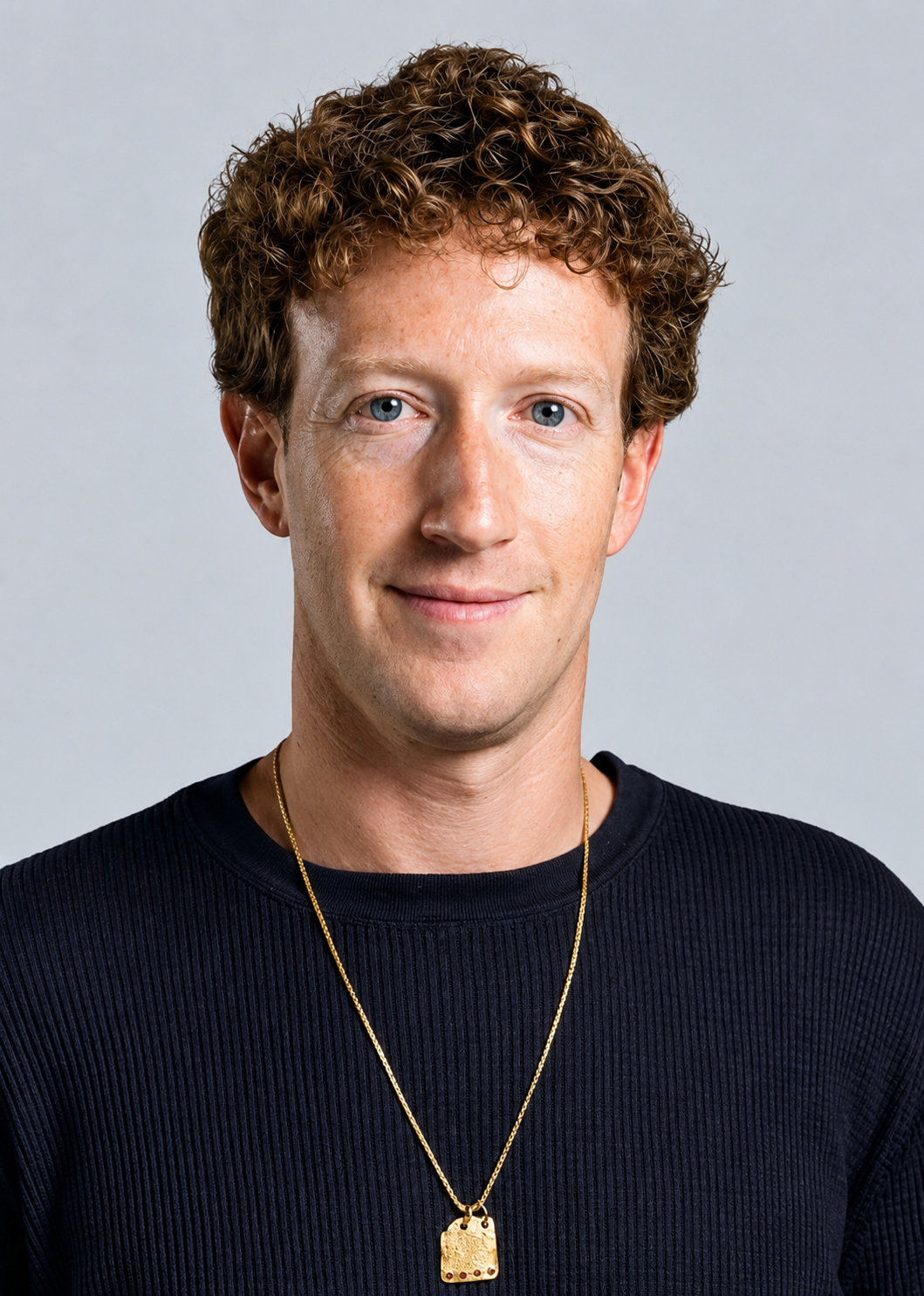
Mark Zuckerberg just upgraded from the metaverse to the medieval. The tech titan recently finalized a deal for a sprawling Gothic estate in the Irish countryside, trading digital avatars for real-world turrets. This move signals a new chapter for the Meta CEO as he expands his global real estate empire into the heart of Europe.

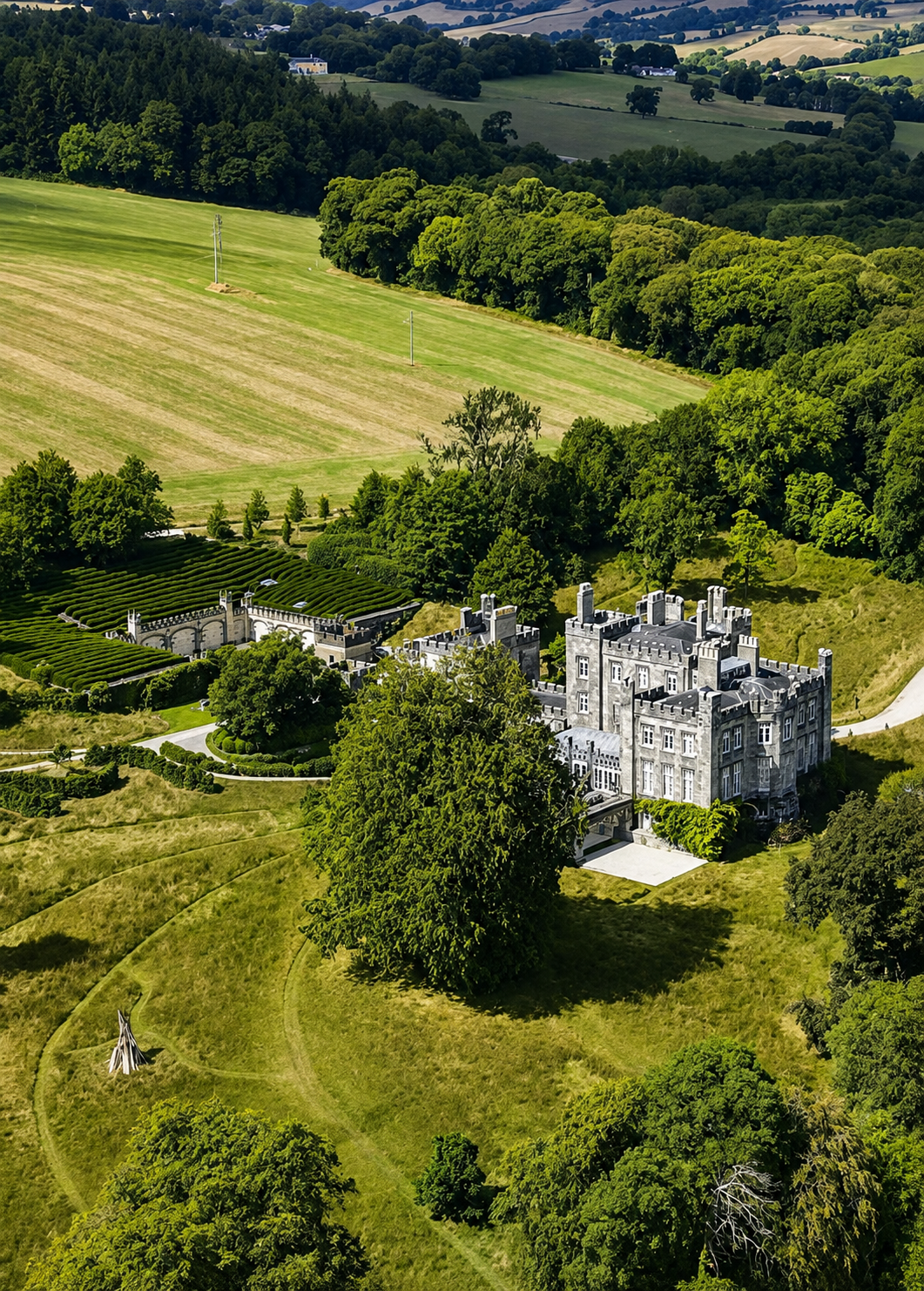
In late August 2026, a spokesperson for Zuckerberg confirmed that he and his wife, Priscilla Chan, acquired Strancally Castle. The couple reportedly felt “excited” about the prospect of stewarding such a significant piece of architectural history. Located in County Waterford, the property sits roughly 93 miles southwest of Dublin, offering a secluded retreat far from the glass-and-steel glare of Silicon Valley. While the exact purchase price remains under wraps due to the off-market nature of the sale, the scale of the estate suggests a price tag fit for one of the world’s wealthiest individuals.

The acquisition of Strancally Castle is not just a whim; it is a strategic foothold. Ireland serves as the nerve center for Meta’s international operations. The company currently employs roughly 1,500 people across the country. Dublin houses the social media giant’s international headquarters, while Cork hosts their cutting-edge virtual and augmented reality divisions. By planting roots in County Waterford, Zuckerberg bridges the gap between his corporate responsibilities and his personal leisure time.

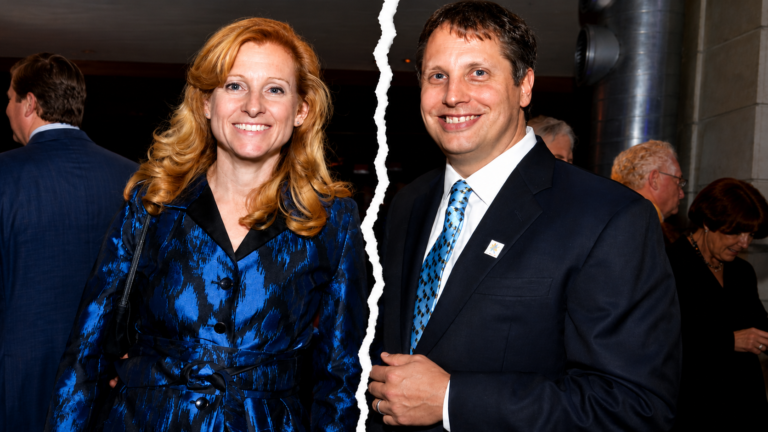
Strancally Castle carries a weight of history that no Silicon Valley mansion can replicate. Built in 1827, the structure represents the height of the Gothic Revival movement. It was originally commissioned for an English politician, featuring the dramatic cut-stone exterior and three-storey layout characteristic of the era. Unlike many crumbling European ruins, this castle is move-in ready. The previous owners, the Alen-Buckley family, spent the last two decades meticulously renovating the grounds. Michael Alen-Buckley, a co-founder of the investment firm RAB Capital, ensured the interior met modern luxury standards while preserving its 19th-century soul.

Zuckerberg’s entry into the Irish landed gentry follows a long-standing tradition of American billionaires buying up European heritage sites. However, his approach to land ownership has often been controversial. Back in Hawaii, his massive Kauai estate sparked years of local debate regarding land rights and privacy walls. In contrast, the Irish public reaction has been a mix of curiosity and cautious optimism. Local residents often welcome the high-end preservation of historic estates, as the upkeep for a 200-year-old castle is prohibitively expensive for most private citizens. If a billionaire wants to foot the bill for Irish heritage conservation, few people stand in the way.

The shift toward “fortress living” seems to be a recurring theme for the Meta founder. Between his bunker-equipped Hawaiian compound and this new Gothic stronghold, Zuckerberg appears to be prioritizing security and seclusion. Strancally Castle offers natural defenses, nestled near the Blackwater River, providing the kind of privacy that is increasingly hard to find in the age of drone photography and constant connectivity. It is a physical manifestation of his desire to disconnect from the very networks he helped create.

Despite the new keys on his keychain, Zuckerberg does not plan to become a full-time Irishman. His primary residence remains in the United States. The castle will serve as a high-end base of operations for his frequent trips to Europe to oversee Meta’s data centers and regional offices. It allows him to host dignitaries and executives in a setting that commands respect and displays immense soft power.

As we look toward the future, this purchase underscores a broader trend in the tech industry. The pioneers of the digital age are increasingly obsessed with the tangible past. Whether it is Jeff Bezos buying historic Washington D.C. museums or Zuckerberg buying 19th-century castles, there is a clear desire to own things that cannot be coded or disrupted. In a world of fleeting trends and disappearing messages, a stone castle stands as a permanent, unhackable legacy.

Similar Posts