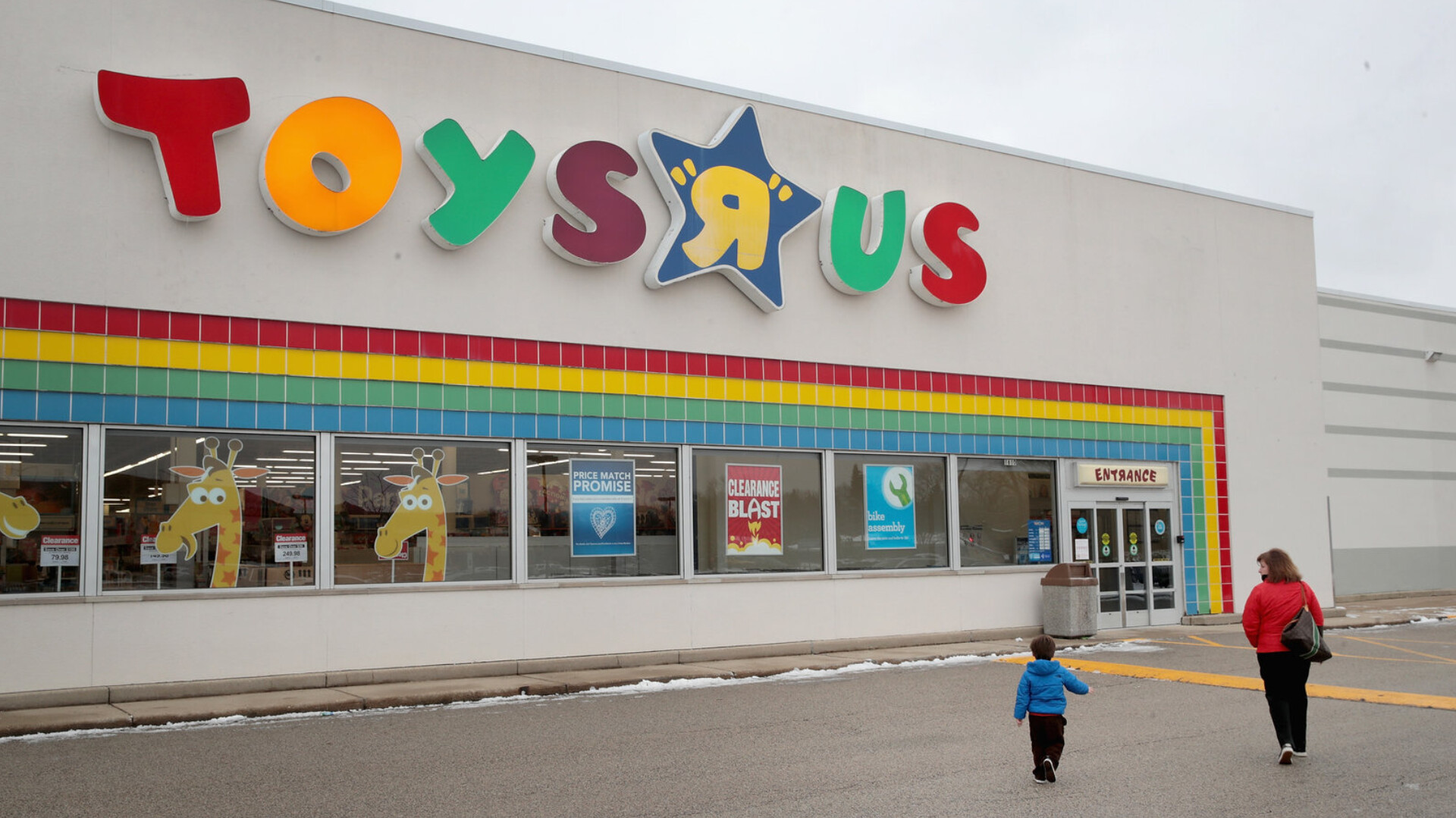
TOYS ‘R’ US TO OPEN 120 NEW STORES, BIGGEST EXPANSION IN YEARS
The retail world is witnessing a resurrection that few saw coming when the lights went out on a childhood empire nearly a decade ago. The ghost of Geoffrey the Giraffe is officially haunting American malls again, but this time, he is not just looking for toddlers. A massive expansion is underway, fueled by a demographic shift that proves nostalgia is the most powerful currency in modern commerce.
In 2026, Toys “R” Us announced its most aggressive growth strategy in years, confirming the opening of 120 new storefronts across the United States. This move follows a period of quiet rebuilding and strategic partnerships. The brand, now managed by WHP Global, is leveraging a surprising market reality: adults are currently the primary drivers of toy consumption. According to recent data from Circana, individuals purchasing for themselves now represent a staggering 55% of the total toy market.
The new retail footprint will include high-traffic locations such as Woodbury Commons and the Westchester in New York, alongside the Mall at Short Hills in New Jersey. These locations represent a pivot toward curated, high-end shopping environments. Unlike the sprawling, warehouse-style boxes of the 1990s, these new iterations range from 3,500 to 7,500 square feet. This leaner model allows the brand to fit into modern shopping centers where mall operators are desperate to keep foot traffic from migrating toward big-box competitors like Target or Walmart.
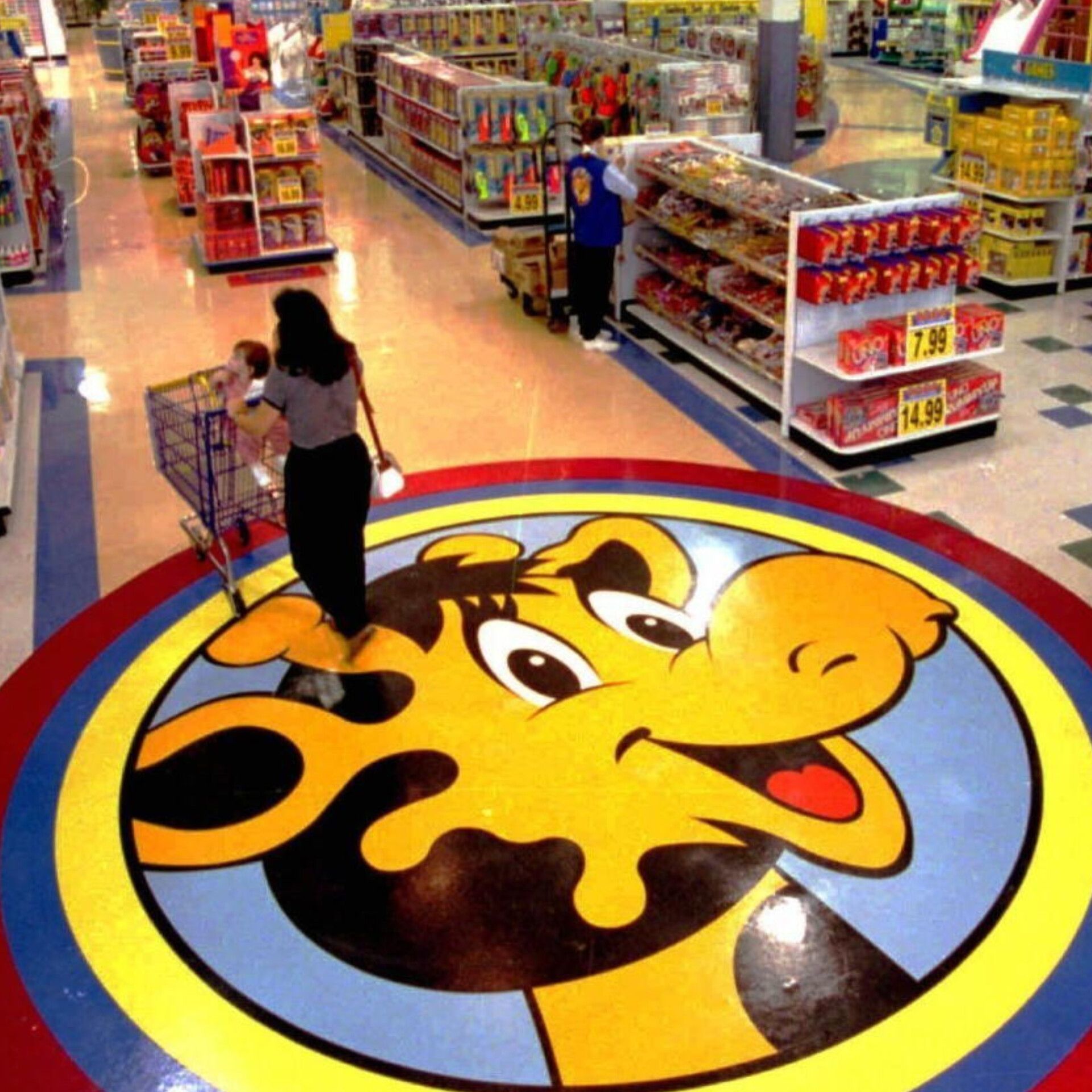
To understand the weight of this comeback, one must look at the wreckage left behind in 2017. That year, the company filed for bankruptcy, eventually shuttering over 700 stores and leaving a massive void in the industry. The collapse was not due to a lack of interest in toys, but rather a crushing $5 billion debt load resulting from a 2005 leveraged buyout by private equity firms. When the chain vanished, toy manufacturers lost their primary showroom, and many small-scale creators lost their only path to a national audience.
For years, the brand existed only as a memory or a small section inside Macy’s department stores. However, the rise of the “kidult” changed the math. Whether it is high-end LEGO sets, vintage-inspired Barbie dolls, or rare Pokémon trading cards, adults are spending more on play than ever before. In the first half of 2026, US toy sales jumped 17%, marking the most significant growth period since the pandemic-era boom of 2020. This surge is almost entirely credited to collectors and enthusiasts who never outgrew their hobbies.
The new stores aim to be more than just shelves of plastic. Plans include integrated cafes and candy shops, turning the retail experience into a social destination. By offering specialized products like KPop Demon Hunters alongside staples like Hot Wheels, the brand is targeting the specific intersections of pop culture and play that dominate social media trends today.
Industry experts believe this revival is a calculated bet on the “experience economy.” Former company executives noted that mall owners are particularly keen on these new leases because toys act as a powerful anchor. If a shopper can find a specific collectible or a specialized gift at the mall, they are less likely to leave the premises to visit a standalone discount retailer.
Public reaction has been a mix of cautious optimism and intense nostalgia. On social media, users are sharing memories of the legendary Times Square flagship—a store that once featured a massive indoor Ferris wheel and an animatronic T-Rex. While the new 120 stores will be significantly smaller than that Midtown landmark, the goal is to recapture that sense of discovery that online shopping fails to replicate.
The strategy is being executed by Go! Retail Group, which specializes in seasonal and pop-up retail operations. This partnership allows Toys “R” Us to be nimble, testing markets with one-year leases rather than committing to decades-long contracts in a fluctuating real estate market. With 400 existing shops already inside Macy’s locations and flagships at the American Dream mall and Mall of America, this new wave of 120 stores will bring the total count to roughly 160 standalone outlets.
As the holiday season approaches, the return of this iconic brand serves as a litmus test for the future of brick-and-mortar retail. If the “kidults” show up in force, it could signal a permanent shift in how we define toy stores—no longer just a place for parents to shop for children, but a destination for enthusiasts of all ages to reclaim a piece of their youth.