MAN FREED ON $5,000 BAIL WAS CONVICTED OF KILLING HIS WIFE
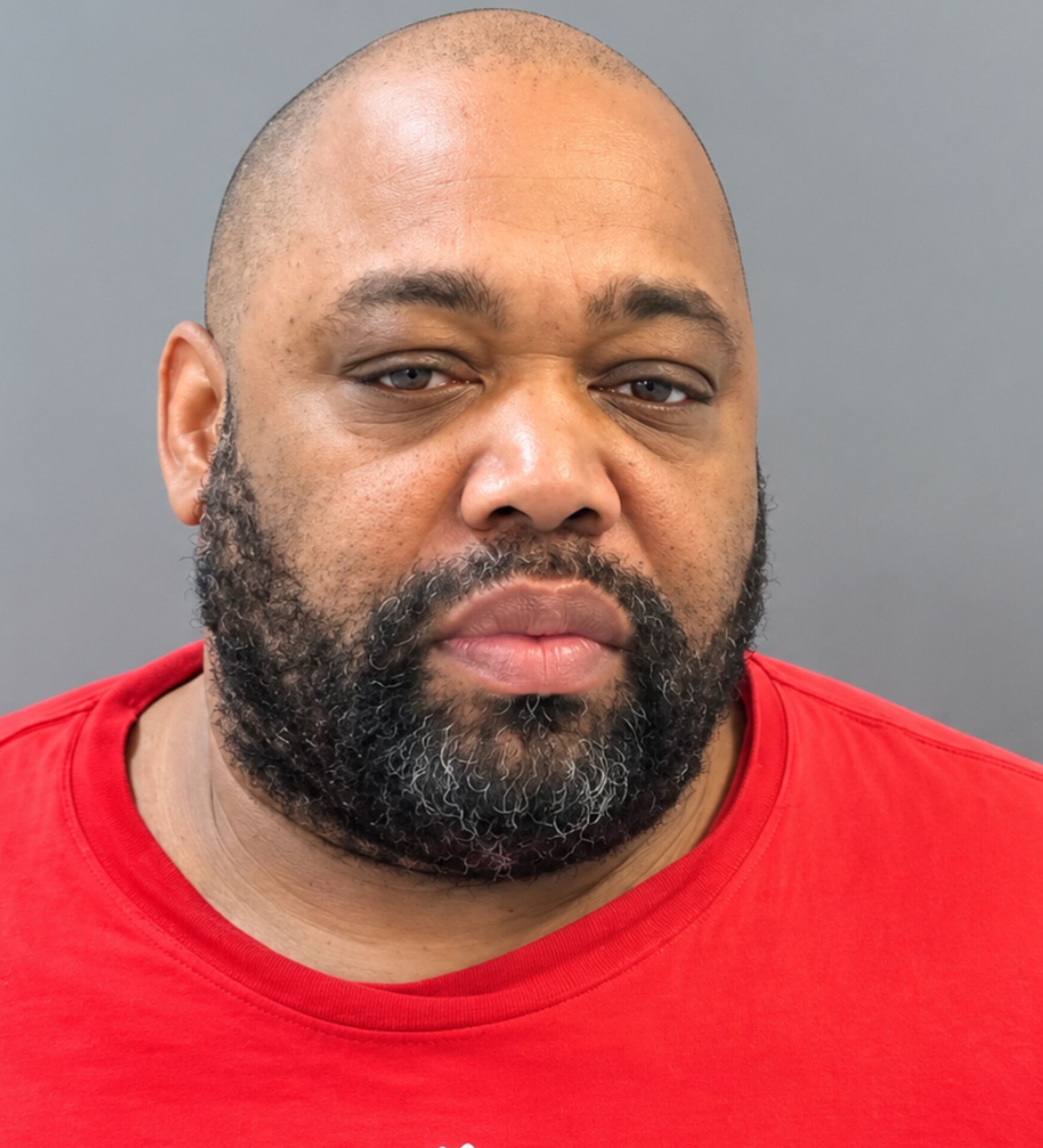
A St. Louis man freed on $5,000 bail went to his wife’s home that night, police said, and she died five days later. Samuel Lee Scott was later convicted of first-degree murder in her death.
Scott, 54, was charged with first-degree murder on April 16, 2019, in the death of his wife, Marcia Johnson, also 54, the Associated Press reported. The attack that led to her death happened on April 9, 2019, the Missouri Court of Appeals said.
Days earlier, on April 5, 2019, Scott had been charged with misdemeanor domestic assault for allegedly striking Johnson in the face in January and injuring her ear and cheekbone.
A probable-cause statement said Scott threatened that he “might as well finish what (he) started since (she) was going to contact the police.”
The night he got out
The St. Louis Bail Project, a nonprofit that posts bail for people awaiting trial who cannot afford it, put up the $5,000 on April 9, 2019, and Scott was released, FOX 26 Houston reported. The group had operated in St. Louis since January 2018.
Scott went to Johnson’s home at 7:45 p.m., a probable-cause statement said.
Later that night, a friend found Johnson bloodied and took her to a hospital. The statement described her as unconscious, with a broken eye socket, several broken ribs and bruises “from head to toe.”
Police said Scott admitted striking Johnson. He also had earlier convictions for assault and drug offenses dating to the 1990s.
What happened next
Scott was jailed on $1 million bond after the murder charge.
Bail Project Executive Director Robin Steinberg said the group was “deeply saddened” and added, “No one could have predicted this tragedy.” She argued that bail itself was not to blame.
“It’s important to remember that had he been wealthy enough to afford his bail, or bonded out by a commercial bail bond agency, he would have been free pretrial as well,” Steinberg said.
On April 24, 2019, St. Louis Circuit Attorney Kim Gardner urged the Bail Project to review court records and contact her office before posting bail in cases involving victims, so victims and witnesses could be notified of releases.
“If all of the charging documents were reviewed by the Bail Project, they would have seen the safety concerns of the victim, prosecutors and courts,” Gardner said.
Gardner said she supported criminal-justice reform and reducing unnecessary pretrial detention, but that she had an obligation “to put victims’ safety first.”
Steinberg answered that it was “inexcusable to use Ms. Johnson’s memory to stoke fear.” She called for preventing gender-based violence without relying on jails.
On April 20, 2022, a jury convicted Scott of first-degree murder, fourth-degree domestic assault and violating an order of protection. The trial court sentenced him to life in prison without the possibility of parole for murder, plus concurrent one-year sentences on the other two counts.
On September 19, 2023, the Missouri Court of Appeals affirmed Scott’s convictions and sentence.