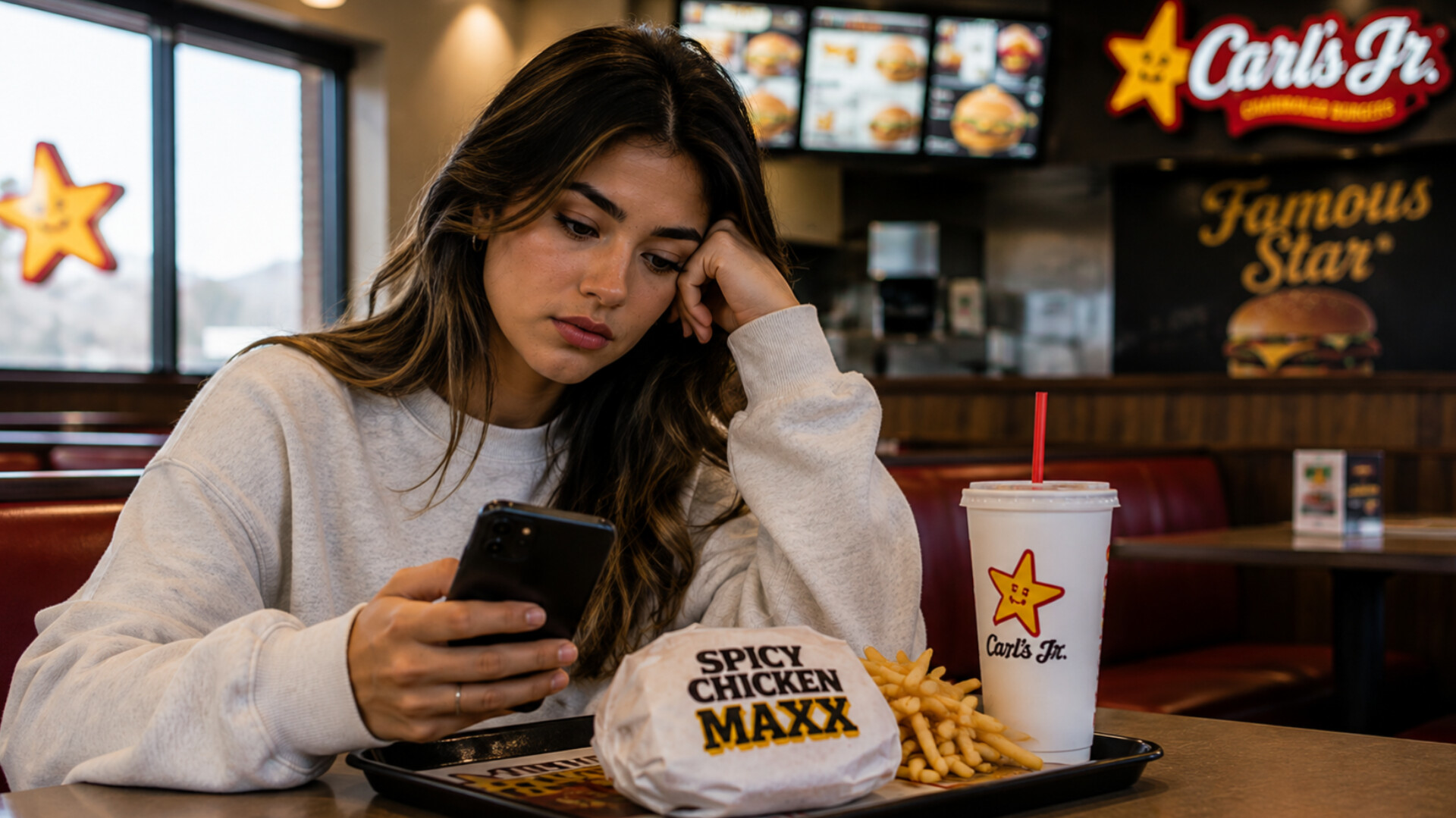
CARL’S JR. IS GIVING AWAY FOOD TO PEOPLE WHO’VE BEEN THROUGH BAD SITUATIONSHIPS
Dating in the modern era feels like navigating a minefield where the mines are ghosting, breadcrumbing, and the dreaded “situationship.” As summer winds down in 2026, the seasonal flings that started with sunset beach walks are officially hitting the expiration date. Most people deal with these romantic casualties by venting to friends or crying into a pillow, but one major burger chain wants to turn your heartache into a meal.
Carl’s Jr. recently announced a provocative new campaign designed to reward those who have officially reached their breaking point with mediocre partners. The premise is simple: if you are ready to stop settling for low-effort dates, you should probably stop settling for low-effort fast food too. To prove the point, the company is trading stories of romantic failure for their Spicy Chicken Maxx burger.
The mechanics of the promotion require a bit of digital vulnerability. Participants must use the official rewards program to “anonymously share the summer romance” or dating disaster that finally pushed them to walk away. It is a clever play on the “confessional” culture that dominates platforms like TikTok and Reddit, where users frequently go viral by detailing the horrific behavior of their exes.
This isn’t just a generic giveaway for anyone with a smartphone. The brand is specifically targeting the “situationship” demographic—those caught in the ambiguous gray area between casual dating and a committed relationship. By framing the Spicy Chicken Maxx as a reward for raising one’s standards, the marketing team is leaning heavily into the self-care rhetoric that defines current internet discourse.
Marketing experts note that this “trauma-for-treats” strategy taps into a broader trend of emotional branding. In recent years, fast food companies have moved away from simply selling taste and price. Instead, they are positioning themselves as allies in the daily struggles of their customers. We have seen this before with “breakup boxes” or “divorce discounts,” but Carl’s Jr. is focusing specifically on the ephemeral nature of summer flings.
The campaign, which went live on August 12, 2026, serves a dual purpose for the brand. First, it drives traffic to their proprietary app, a gold mine for first-party data in an era where third-party cookies are disappearing. Second, it generates a library of user-generated content that feels authentic and relatable. Even if the stories remain anonymous, the sheer volume of submissions provides the brand with a pulse on how their core demographic is feeling.
Submissions stay open until August 21, but there is a significant catch for those looking to cash in on their misery. Only the first 1000 people to spill their guts will receive the digital coupon for the free sandwich. Furthermore, the offer is restricted to U.S. residents who are at least 18 years old. Winners have a short window to redeem their prize, with all coupons expiring by September 1.
Cultural critics have pointed out that this type of promotion reflects a shift in how we view privacy and personal narrative. Ten years ago, the idea of telling a corporation about your worst date in exchange for a five-dollar sandwich might have seemed dystopian. Today, it feels like just another Tuesday on the internet. We already share our lives for free on Instagram; getting a spicy chicken sandwich for it feels like a fair trade to many.
Public reaction to the “Stop Settling” campaign has been a mix of amusement and tactical hunger. Social media users are already joking about embellishing their stories to ensure they make the top 1000 list. Some have even suggested that the “situationship” stories could eventually be compiled into a marketing campaign of their own, showcasing the wildest reasons people decided to call it quits.
This move comes at a time when competition in the chicken sandwich wars remains fierce. With rivals like Chick-fil-A expanding their menus and Burger King offering frequent digital deals, Carl’s Jr. needed a way to stand out. By tapping into the specific emotional exhaustion of the dating scene, they have managed to grab headlines that a simple “buy one, get one” offer never could.
Ultimately, the promotion highlights a weirdly comforting truth about the internet age: no matter how bad your dating life is, there is probably someone willing to give you a burger because of it. As the chief marketing officer noted, if you are going to raise your standards for the people you let into your life, you might as well start with the quality of your lunch. Whether a spicy chicken fillet can actually heal the sting of being ghosted remains to be seen, but it certainly doesn’t hurt.