TRUMP TEAM WEIGHED CHILD CARE PAY FOR STAY-AT-HOME PARENTS
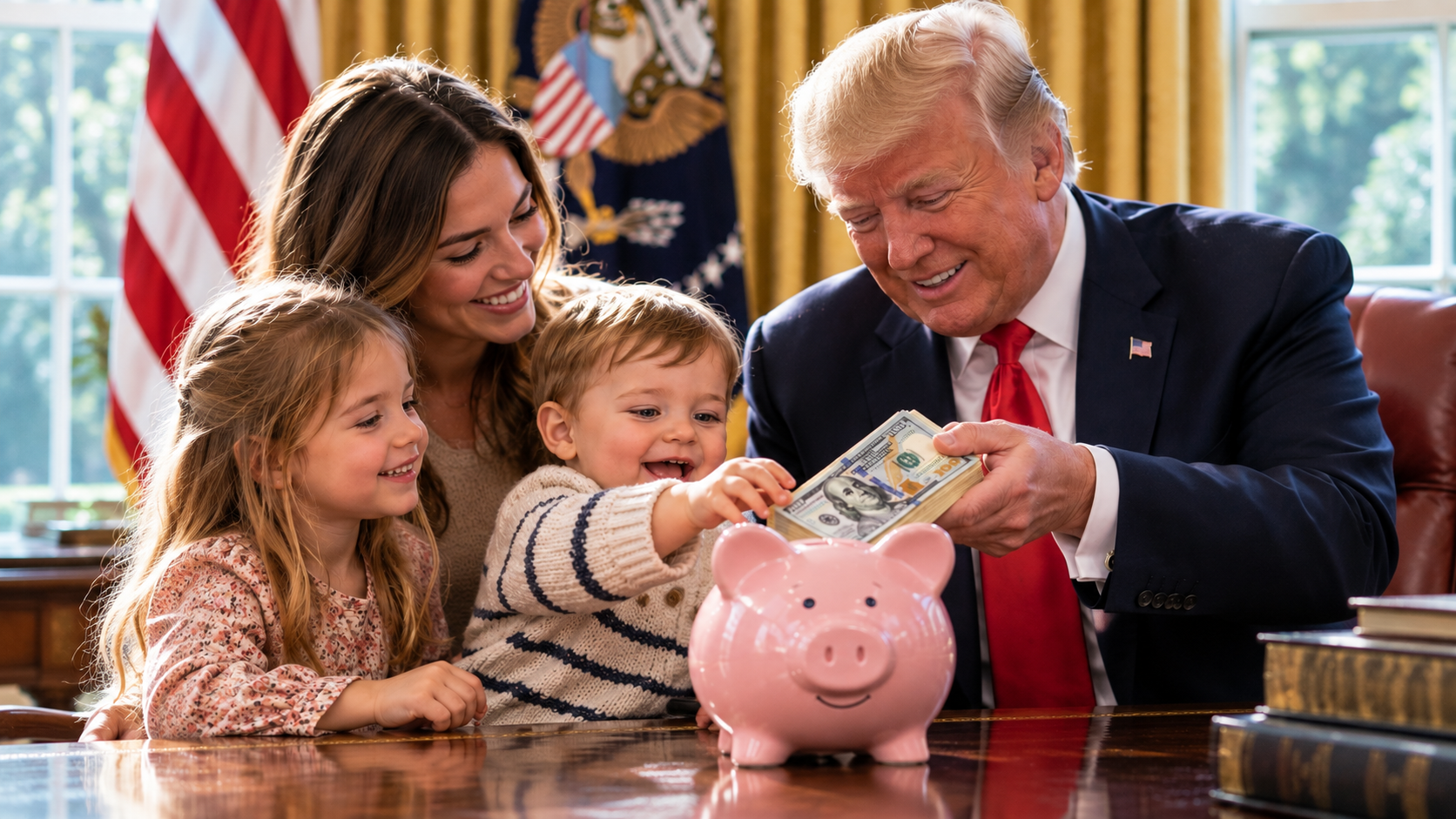
The Trump administration weighed a stay-at-home parent subsidy that would let married couples tap federal child care money.
The New York Times reported on September 5, 2026, that the administration was considering allowing some married couples with a stay-at-home spouse to receive child care subsidies. It was a draft rule, not an enacted benefit. Vice President JD Vance was a leading advocate of the idea, the Times reported.
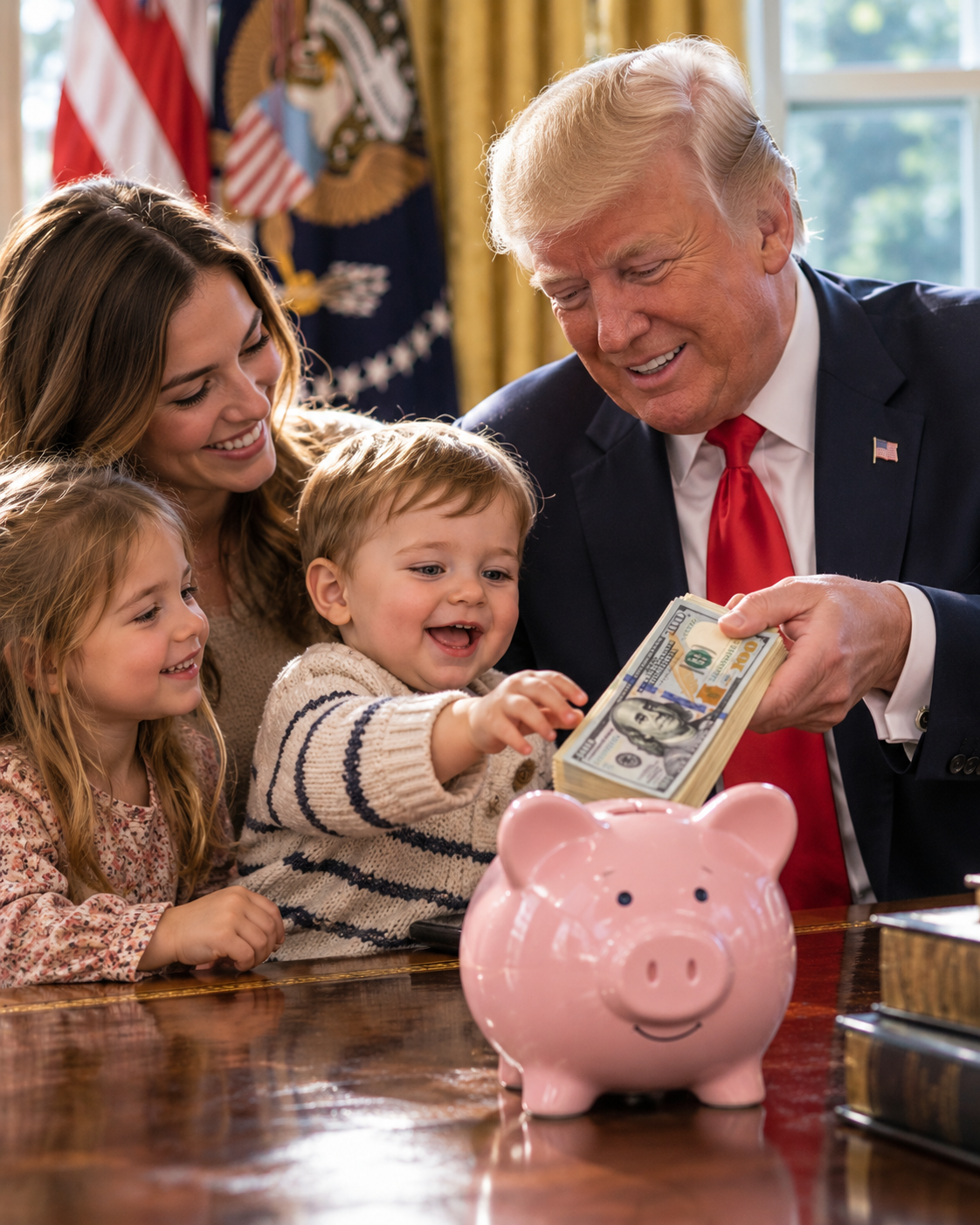
The money would come from the Child Care and Development Fund, a federal program built to help low-income and working-class parents afford child care while they work or attend school. The fund typically provides about $9,000 per child a year, USA Today reported, though that is an average and not a guaranteed payment under the draft.
The Hill reported that a group founded by former Vice President Mike Pence pushed back. The group argued that “a proposal backed by Vice President JD Vance … would invite government intrusion and undermine the initiative’s original purpose of encouraging work and independence.”
Who would qualify
Under the proposal as reported, eligible couples would need to be married. One spouse would have to work at least 35 hours a week while the other stays home to care for a child.
Income requirements, including state eligibility rules, were also expected to matter. The draft would exclude unmarried couples and nonworking single parents from the new category.
Newsweek reported that final eligibility details had not been released. Subsidy amounts could vary by state rules, income, the children’s ages and local child care costs.
The fight over the money
The plan would use existing child care funds rather than create a new source of money. That could redirect dollars from working families and child care providers.
Critics cited by the Times warned that providers could raise rates or close, potentially worsening the child care crisis. The paper also described the plan as potentially creating the only federal subsidy to pay parents to stay home and raise their children.
The fund is a $12 billion pot, the Washington Examiner reported. The outlet also reported that the plan divided conservatives, including over marriage as an eligibility requirement and the use of federal funds.
Vance had previously pushed child care policy that supports different family arrangements, including stay-at-home parents and grandparents, USA Today reported.
Where it stands
The plan had not been announced publicly and was not finalized. It would need White House review and a public comment period before it could take effect, and USA Today reported it could start as early as 2027 if advanced.
The Pence-founded group voiced its criticism on October 15, 2026, and the proposal remained under review.