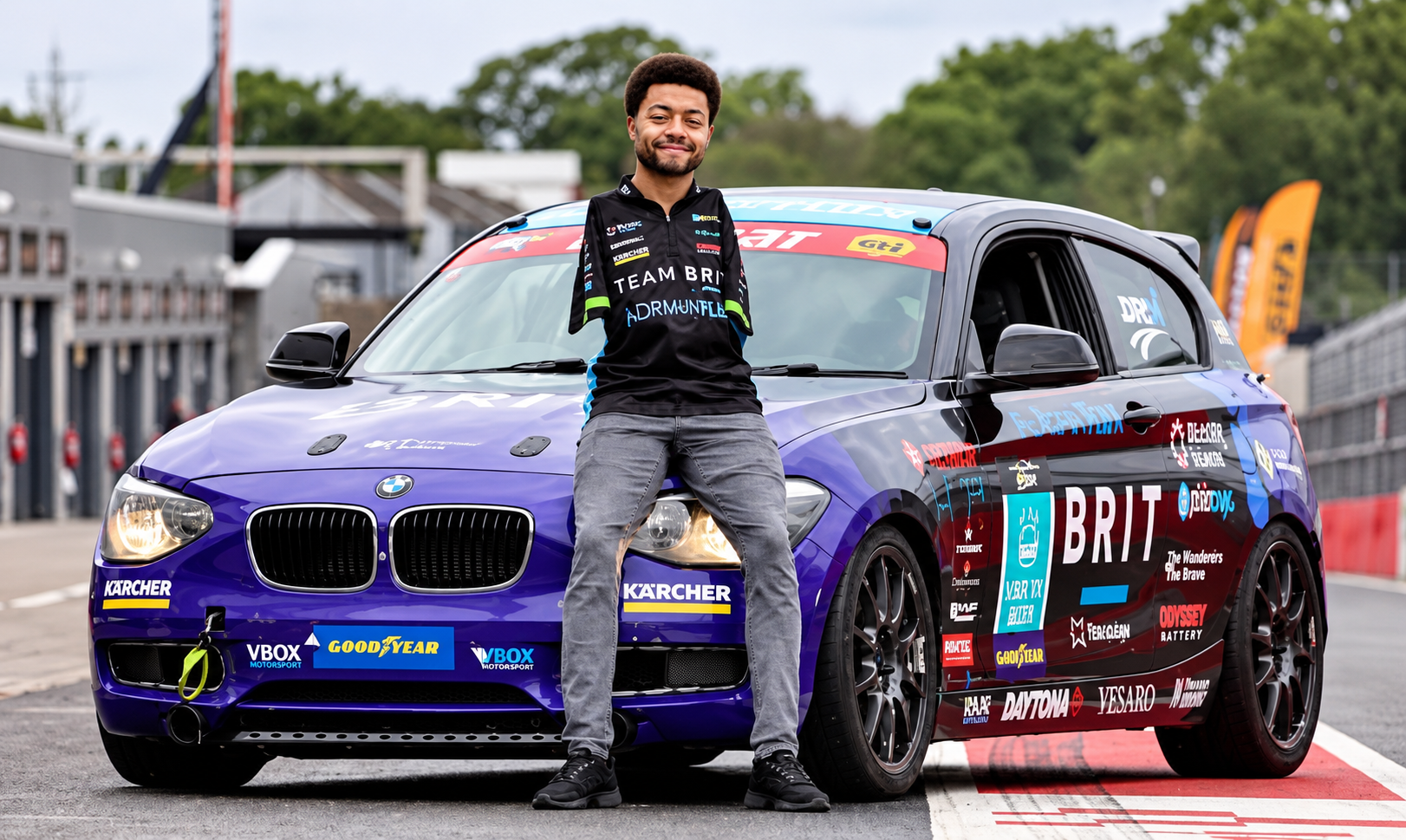
ARMLESS RACING DRIVER HITS 110 MPH STEERING WITH HIS FEET–AIMS TO MAKE HISTORY AT LE MANS

High-performance racing demands split-second reactions and immense physical strength. Most drivers rely on a death grip on the steering wheel to navigate corners at triple-digit speeds. One young man is proving that the traditional cockpit layout is merely a suggestion, not a requirement.

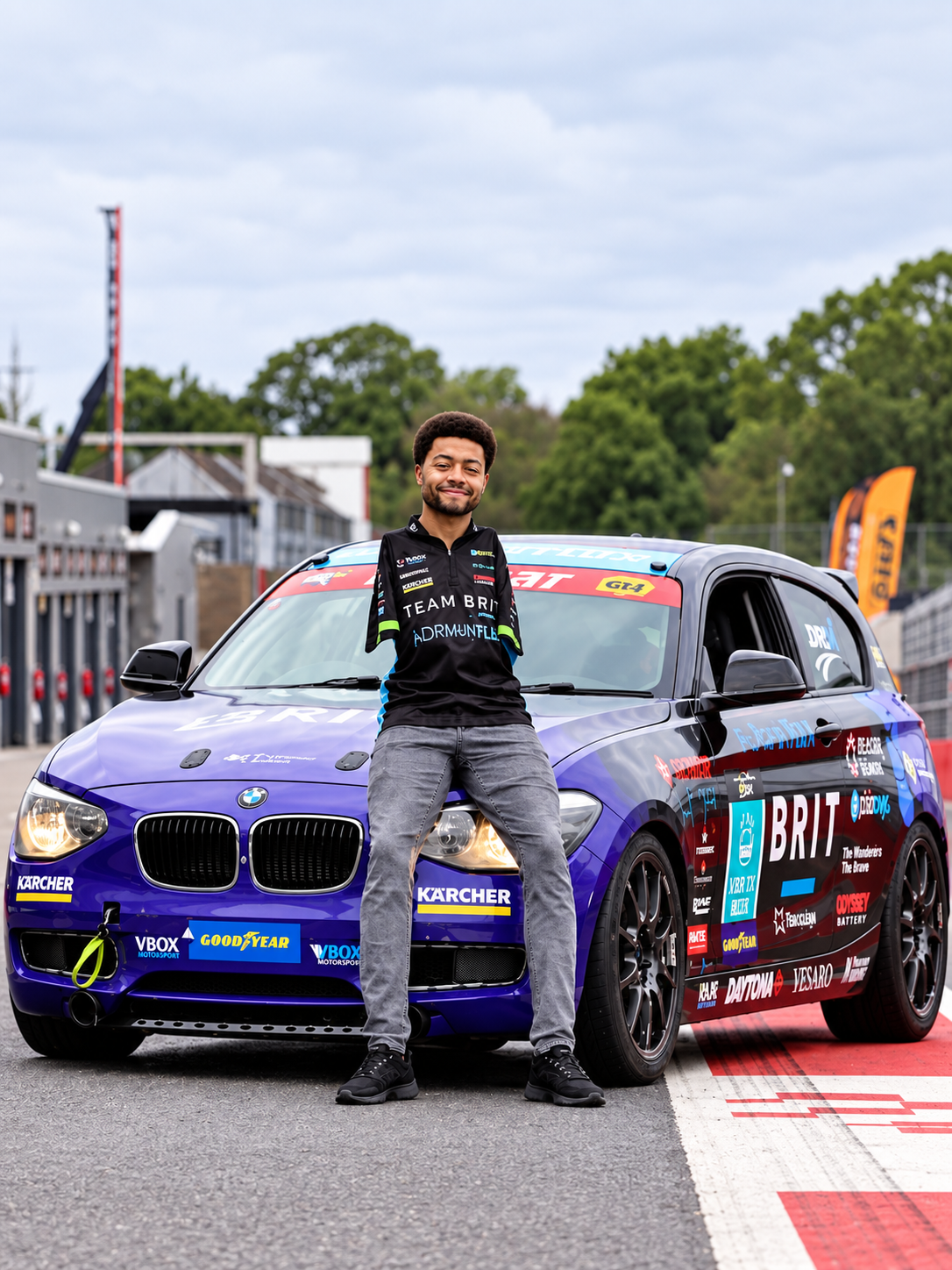
Callum Smith, a 23-year-old from Britain, is redefining the limits of automotive control. Born without arms, Smith has spent his life navigating a world built for hands using his feet. Now, he is taking that dexterity to the racetrack, aiming for a professional career in one of the world’s most grueling sports.

The journey into the driver’s seat began with a simple, courageous email. Smith reached out to Team BRIT, a unique organization dedicated to supporting disabled drivers in competitive motorsport. His message was clear: he had the passion, and he wanted to know if they could provide the platform. The team responded, putting him through a series of rigorous evaluations, including skid tests and instructor-led trials.

By 2025, Smith was already making waves on legendary circuits. He tackled Donington Park, a staple of the Superbike World Championship, hitting speeds of 90 mph during his first track day. Not satisfied with those numbers, he later pushed his personal Audi A3 to 100 mph at the iconic Silverstone Formula One circuit. Most recently, he shattered those personal records by clocking 110 mph while testing.

Operating a race car without hands requires more than just a modified vehicle; it requires a complete rewiring of the driver’s muscle memory. Smith utilizes a specialized BMW 1 Series equipped with custom technology. A flat steering plate sits on the floor of the cockpit. His left foot manages the steering duties by manipulating the plate, while his right foot controls the throttle and brake.

The complexity does not end with the pedals. Modern race cars feature a dizzying array of switches for lights, wipers, and horns. To manage these, engineers installed an indicator switch directly on top of the accelerator. This allows Smith to toggle essential car functions with his toes without losing his ability to maintain speed. He admits the physical toll is significant, noting that the steering in a race car feels much heavier and stiffer than a standard road vehicle.

This level of adaptation is not new to Smith. He describes his feet as his hands, using them for everything from playing Call of Duty and FIFA on his Xbox to strumming a guitar. He even masters the mundane tasks of daily life, like using a standard knife and fork to eat independently. This lifelong training provided the foundational eye-to-foot coordination necessary to handle a car at high velocity.

Smith is now working toward his official racing license with a massive goal in sight: the 24 Hours of Le Mans. This French endurance race is widely considered the ultimate test of man and machine. It requires drivers to maintain extreme speeds for 24 hours straight, often in shifting weather and darkness. No armless driver has ever competed in the event, meaning Smith is on the verge of becoming a historical pioneer in the sport.

He follows in the footsteps of other boundary-breaking athletes who have challenged the status quo of “standard” equipment. Historically, motorsport was seen as a discipline reserved for the able-bodied due to the mechanical force required to steer. However, the advancement of fly-by-wire technology and custom hydraulic systems has opened the door for a new era of inclusive competition. Organizations like Team BRIT are at the forefront of this shift, proving that talent and determination matter more than physical configuration.

Public reaction to Smith’s progress has been overwhelmingly positive. Online communities and racing enthusiasts often point to his story as a masterclass in adaptation. While some skeptics initially questioned the safety of foot-steering at high speeds, Smith’s successful completion of high-speed tests at Silverstone and Donington Park has largely silenced the doubters. His ability to maintain control at 110 mph demonstrates that his custom interface is just as responsive as a traditional steering wheel.

As Smith continues his training, the eyes of the racing world are shifting toward his upcoming qualification attempts. If he secures his spot at Le Mans, it will mark a turning point for disability representation in global sports. For Smith, however, the mission is personal. He remains deeply motivated to prove that he is not just a participant, but a legitimate competitor capable of fighting for a podium finish.

Similar Posts