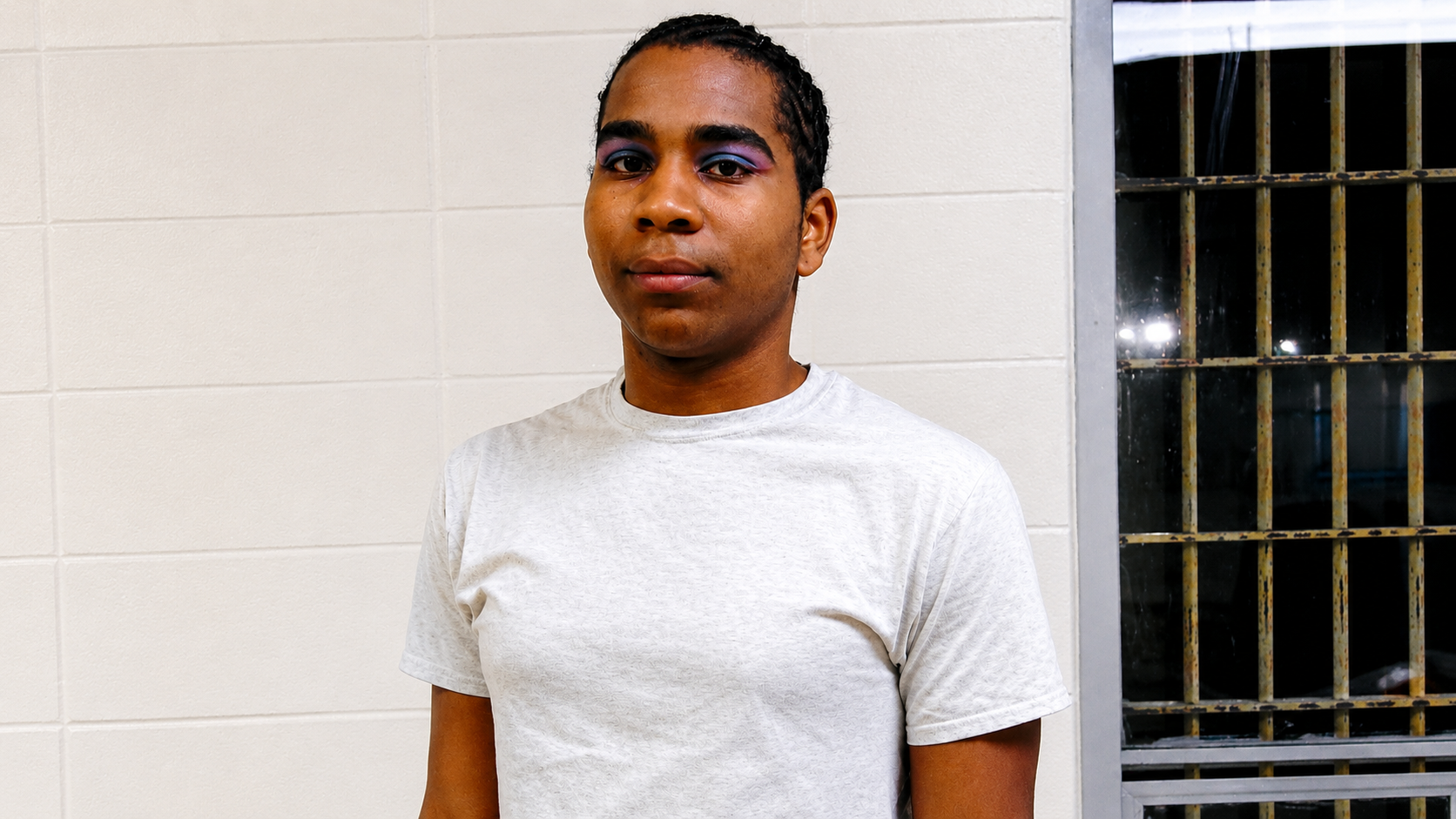
TRANS INMATE AT NEW JERSEY WOMEN’S PRISON IMPREGNATES TWO FEMALE INMATES, THEN TRANSFERRED TO MEN’S FACILITY
Modern correctional systems constantly struggle to balance human rights with the stark realities of institutional security. A recent case in New Jersey has thrust this debate into the spotlight. It highlights the complex intersection of gender identity, inmate safety, and the logistical hurdles of prison management. When a policy intended to protect vulnerable populations leads to unexpected biological outcomes, the resulting fallout creates a ripple effect across the entire legal system.
The situation involves Demi Minor, a 27-year-old transgender woman who, in 2022, was removed from the Edna Mahan Correctional Facility for Women. This facility serves as New Jersey’s only prison specifically for female inmates. The transfer did not stem from a violent outburst or an escape attempt. Instead, it followed the discovery that Minor had impregnated two fellow inmates. While officials confirmed the sexual encounters were consensual, prison regulations strictly forbid sexual activity between incarcerated individuals, regardless of consent.
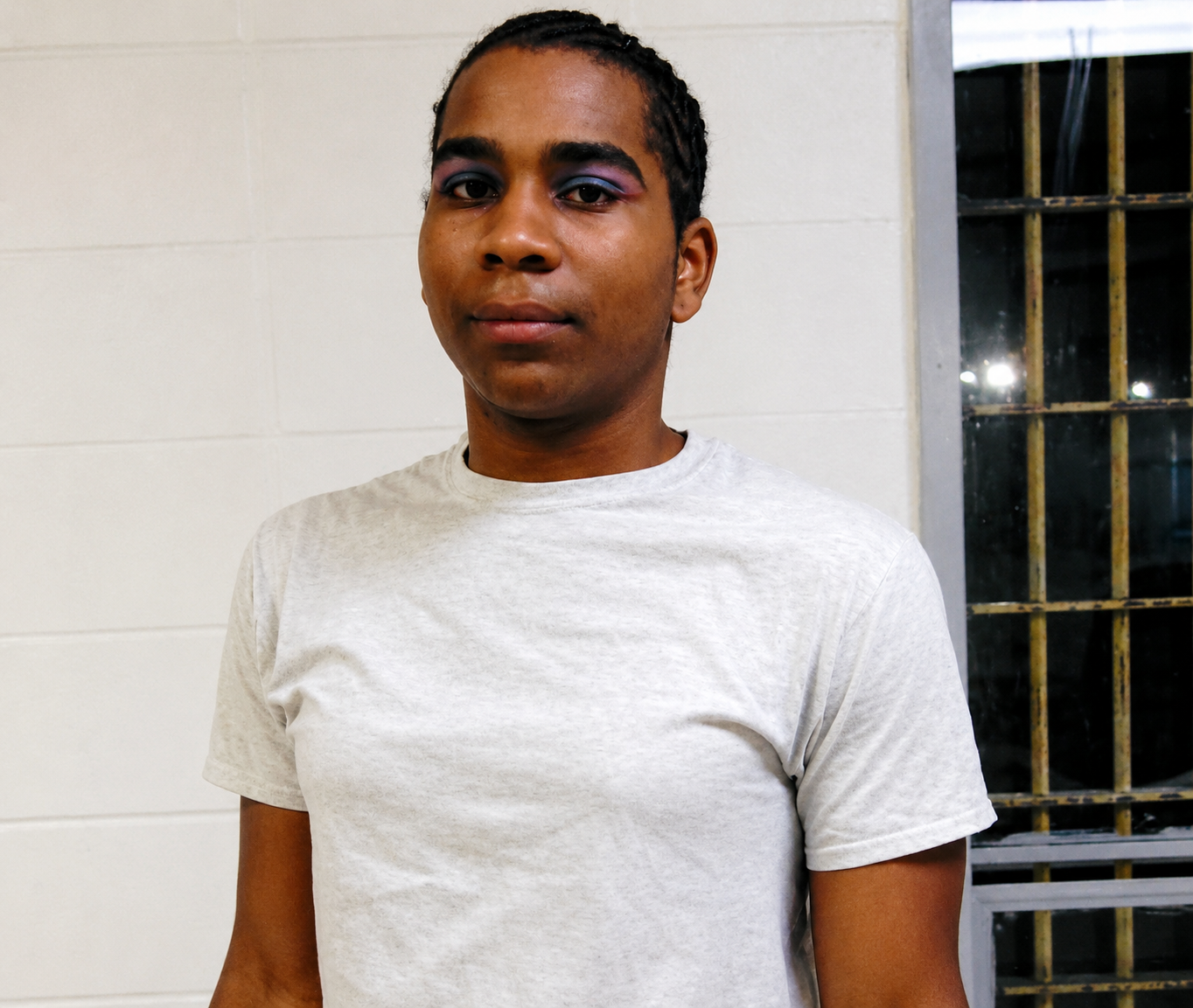
This move marks a significant pivot for the New Jersey Department of Corrections. Only a year prior to this incident, the state entered a landmark settlement with the American Civil Liberties Union (ACLU) of New Jersey. That agreement mandated that inmates be housed according to their gender identity rather than their biological sex assigned at birth. The policy aimed to protect transgender women, who often face extreme rates of violence and sexual assault when placed in male facilities. At the time of the transfer, Edna Mahan housed approximately 27 transgender inmates.
Minor is currently serving a 30-year sentence for manslaughter. Following the pregnancies, authorities moved her to the Garden State Youth Correctional Facility. Although this site primarily houses a male population aged 18 to 30, Minor resides in a specialized vulnerable housing unit. State officials noted that this unit currently holds three transgender women. The Department of Corrections maintains that housing decisions must weigh the health and safety of the entire population against the specific needs of the individual.

The backstory of Edna Mahan adds layers of tension to this narrative. The facility has a long, troubled history involving the abuse of female inmates. In 2021, a federal investigation by the Justice Department found a persistent culture of sexual violence and systemic failure by staff to protect the women in their care. The introduction of transgender inmates into this environment was already a point of contention. Two other inmates filed a lawsuit challenging the housing policy, claiming that the presence of transgender women who had not undergone gender-reassignment surgery infringed upon their constitutional rights.
Public reaction to the transfer has been sharply divided. On one side, advocates for women’s safety argue that biological realities cannot be ignored in a prison setting. They suggest that the pregnancies prove the current housing model poses a unique risk to female inmates. On the other side, LGBTQ+ rights supporters worry that Minor’s transfer sets a dangerous precedent. They fear it signals a retreat from the hard-won protections established in the ACLU settlement. Minor herself has voiced these concerns through her personal blog, claiming the transfer is a form of punishment. She described the move as being “thrown to the wolves,” expressing deep fear for her safety in a facility dominated by men.
The transfer process itself sparked further controversy. Minor alleged through her blog that correctional officers physically assaulted her during the move. She claimed the beating occurred inside a transport van. However, the Department of Corrections conducted an internal investigation and labeled these claims as unfounded. They reiterated their zero-tolerance policy regarding inmate abuse, emphasizing that the Special Investigations Division thoroughly vets all reports of mistreatment.
This case forces a difficult conversation about the future of prison reform. New Jersey was considered a pioneer in progressive housing policies, but the practical application has proved messy. If housing by gender identity leads to pregnancies in a prohibited environment, the state must find a middle ground that ensures the safety of all parties. The current solution—placing transgender women in “vulnerable units” within male prisons—feels like a temporary patch rather than a long-term fix.
What happens next will likely influence how other states draft their own correctional policies. As of now, the legal system is still playing catch-up with the evolving social understanding of gender. The outcome for Minor and the two pregnant inmates remains a focal point for activists on both sides of the issue. For the Department of Corrections, the goal remains maintaining order in a system that is increasingly difficult to categorize.