HE GREW UP SURROUNDED BY ADDICTION, FAILED TWO YEARS OF HIGH SCHOOL AND BECAME A TEEN DAD. TODAY, HE’S A JOHNS HOPKINS SURGERY CHAIR
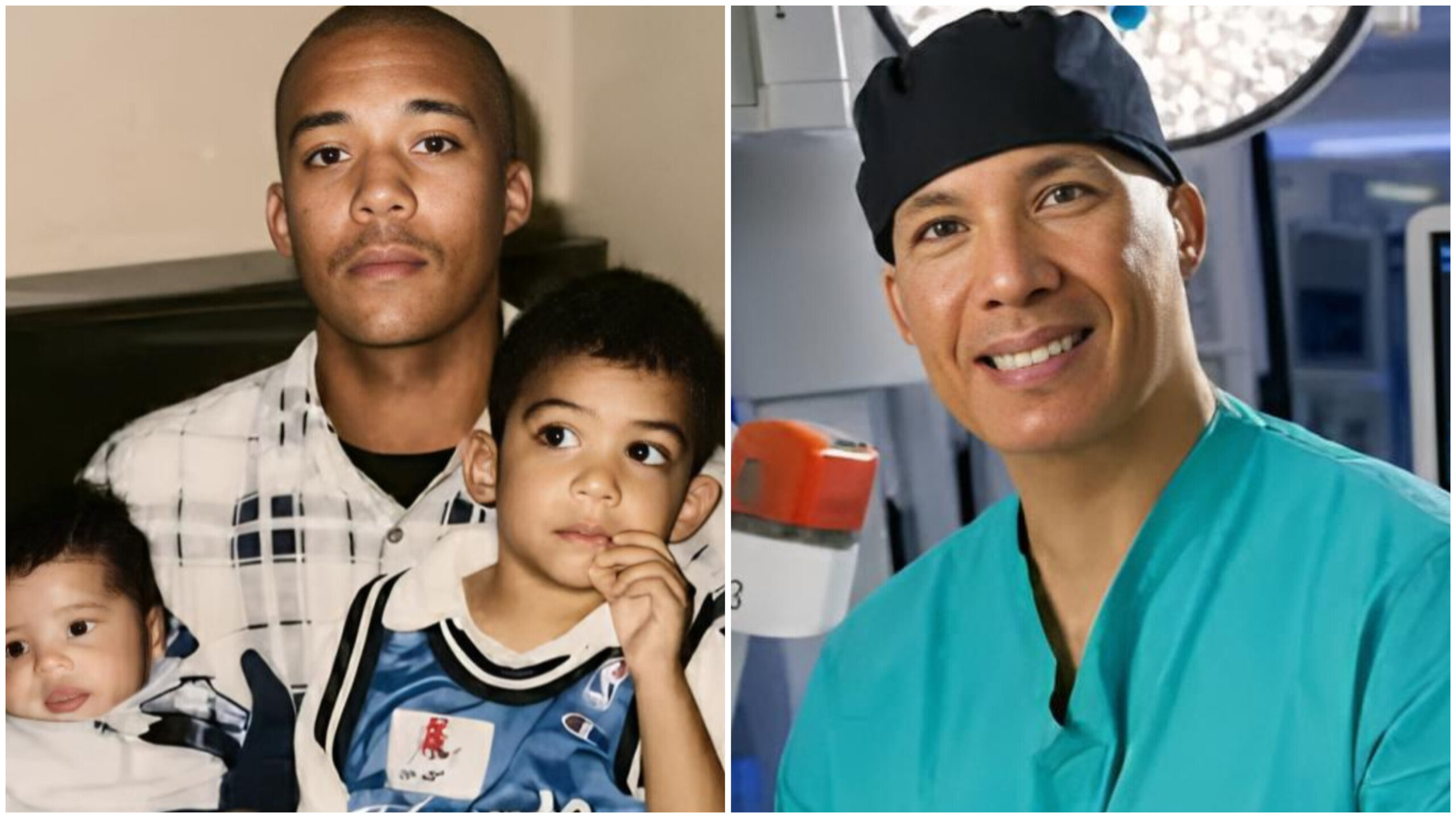
The distance between a Fresno jail cell and the operating theaters of Johns Hopkins can be measured in more than just miles. It represents a total psychological and systemic overhaul, the kind of trajectory that social scientists study and Hollywood screenwriters fabricate. Yet for Dr. James Harris, the journey from a fifteen-year-old father to the chair of surgery is a lived reality that defies the rigid expectations placed on “at-risk” youth.
The narrative of his early life in 2026 sounds like a collection of statistics regarding generational poverty. Growing up in what he bluntly calls a crack den, Harris faced a childhood defined by instability. His father battled severe addiction, moving in and out of the household like a ghost, while his mother remained largely absent from his day-to-day survival. By the time he reached his mid-teens, Harris had failed two years of high school and found himself fleeing police in a stolen Cadillac.
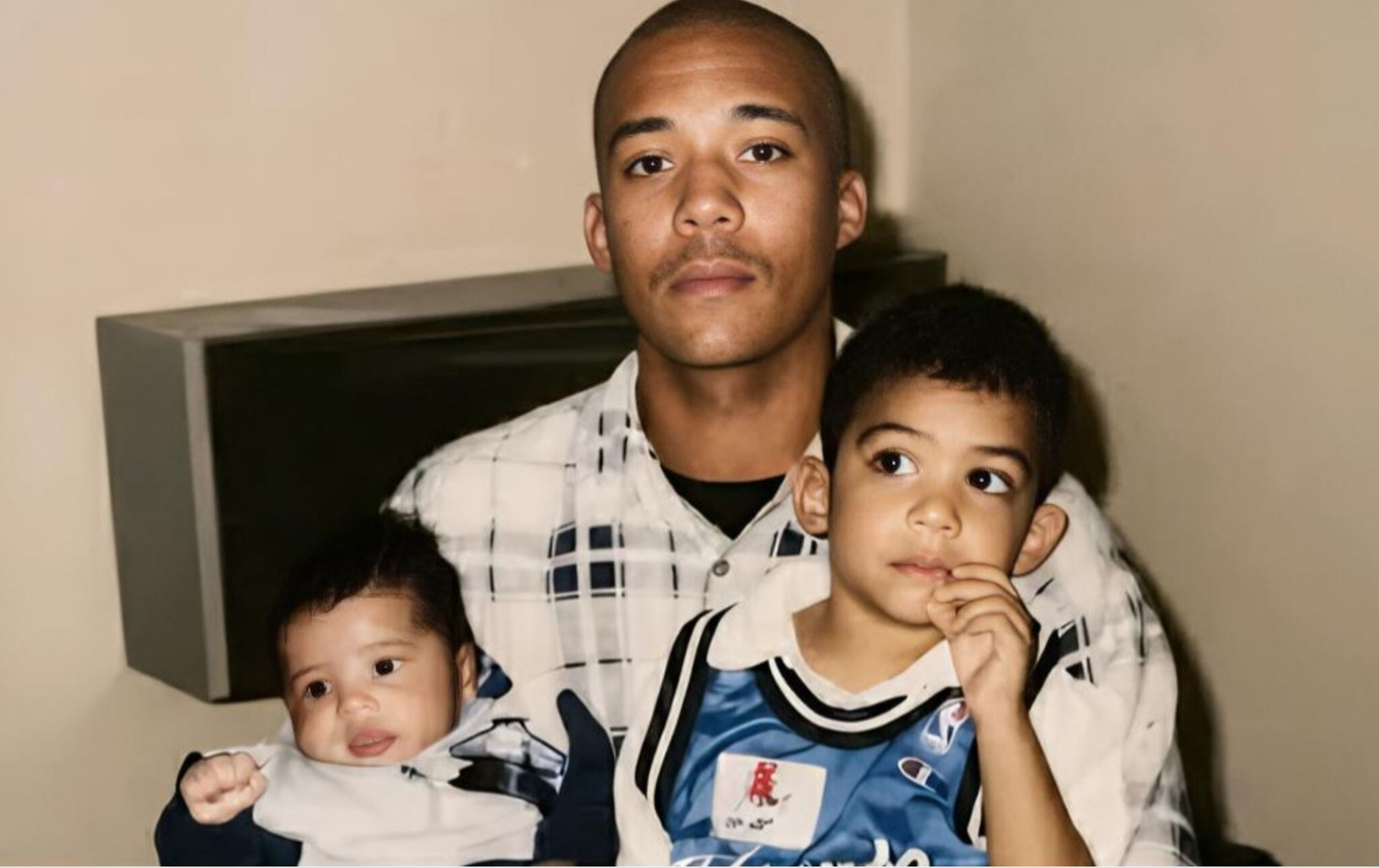
During that high-speed chase, his pregnant girlfriend, Rosina, watched from the sidewalk. At fourteen, Harris was not looking toward the Ivy League; he was looking for a way to survive the gang-heavy streets of Fresno. He carried a padlock and a Swiss Army knife as makeshift armor, attempting to project a toughness that might protect him from a world that seemed designed to swallow him whole.
The pivot point in his life did not come from a sudden epiphany or a brush with death, but from a single human connection. After his expulsion from traditional high school, Harris landed in a continuation program. There, a counselor named Henry Ray looked past the failing grades and the aggressive exterior. While other educators saw a lost cause, Ray saw a student with dormant potential. He introduced Harris to the Equal Opportunity Program at Fresno State, providing the roadmap that Harris didn’t even know existed.
This transition highlights a critical gap in the American educational system: the difference between a lack of ability and a lack of resources. Harris had wanted to be a physician since the second grade, inspired by the cardiologists who treated his grandmother’s heart failure. However, by age seventeen, he had stopped believing that the boy in the fast-food uniform could ever be the man in the white coat. Ray’s intervention bridged that gap, providing the logistical support necessary to navigate the complexities of higher education.
The path was not linear. Harris entered college academically behind his peers, requiring remedial coursework in math and English. He balanced the rigors of pre-med studies with the massive responsibility of raising his son, Tre. His persistence eventually paid off with an acceptance to UCLA Medical School. In a full-circle moment, he returned to his continuation school to show Henry Ray the acceptance letter—a document that proved the counselor’s intuition had been correct.
Even after achieving the impossible and becoming a surgeon, life threw a final, devastating curveball. During his chief residency, his son Marcus suffered a traumatic brain injury after falling from a skateboard. The accident left Marcus with significant disabilities and vision loss. For Harris, this was a radical moment of ego-stripping. The man who had mastered the art of “knowing what to do” suddenly became the helpless father in the waiting room.
He admits that before this tragedy, he was perhaps too focused on his own brilliance and held others to impossibly high standards. The experience of being on the other side of the hospital bed transformed his bedside manner. It replaced clinical arrogance with a deep, visceral empathy for the families of his patients. He realized that a medical crisis is never just a biological event; it is a family trauma.
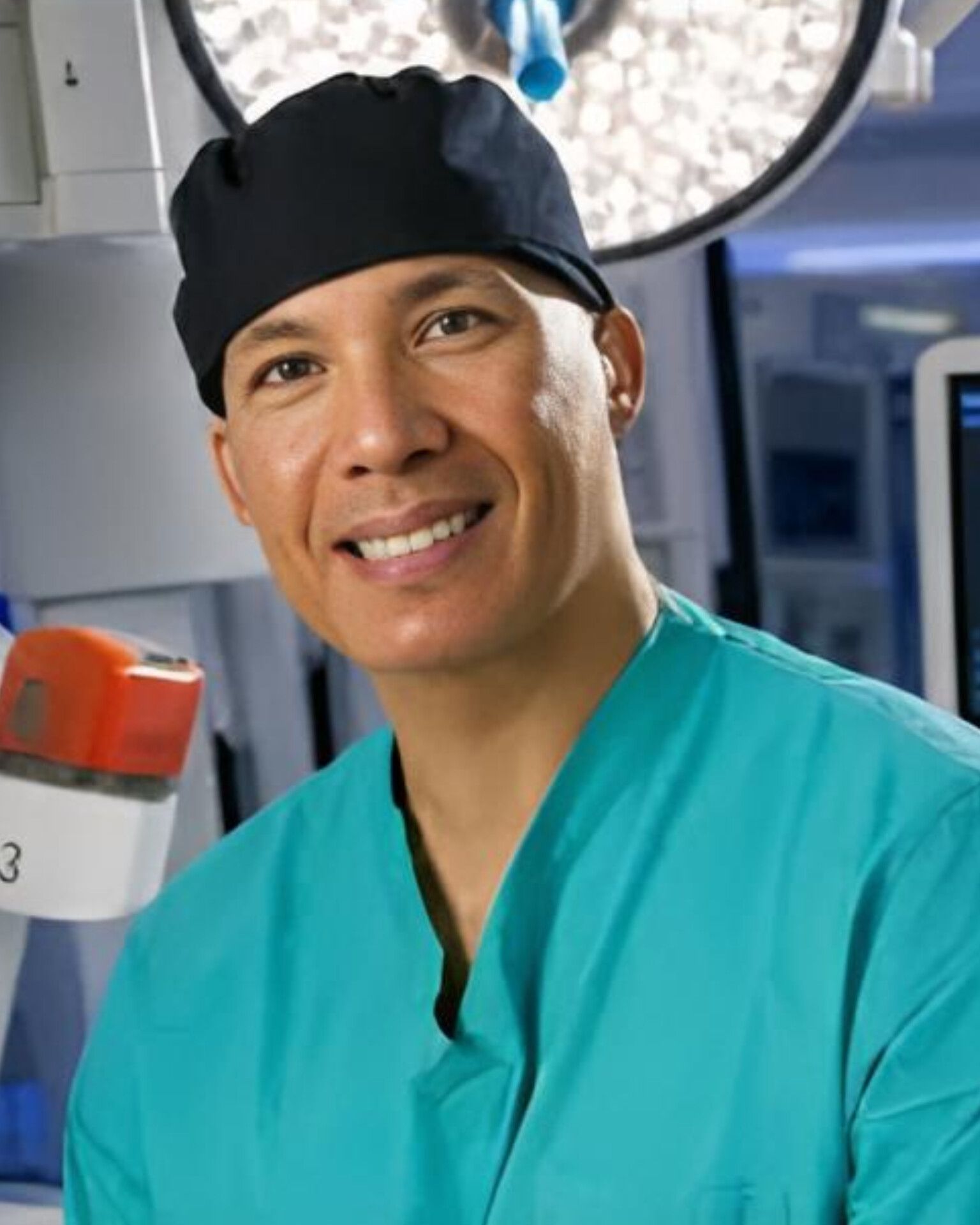
Today, Harris serves as the chair of surgery at Johns Hopkins Howard County Medical Center. In 2022, his peers recognized his expertise by naming him Physician of the Year. His family life reflects the same resilience seen in his career; he and Rosina have remained married for over three decades. Their children have followed suit in high-achievement fields, with his son Tre becoming a professor and his daughter Danielle working as a biologist.
His story serves as a powerful indictment of the “bootstrap” myth that suggests individual will is the only factor in success. Harris is the first to say that he needed help. His memoir, *Not Who I Once Was*, is less a self-congratulatory autobiography and more a call to action for adults in the lives of struggling children. He argues that teenagers in “hellish” environments cannot be expected to choose a path they have never seen. They need a Henry Ray to point the way when they are too lost to find the map themselves.