HIKER, 91, FELL 71 TIMES ON APPALACHIAN TRAIL, FINISHED IT
A 91-year-old Appalachian Trail hiker fell 71 times and still made it to the finish.
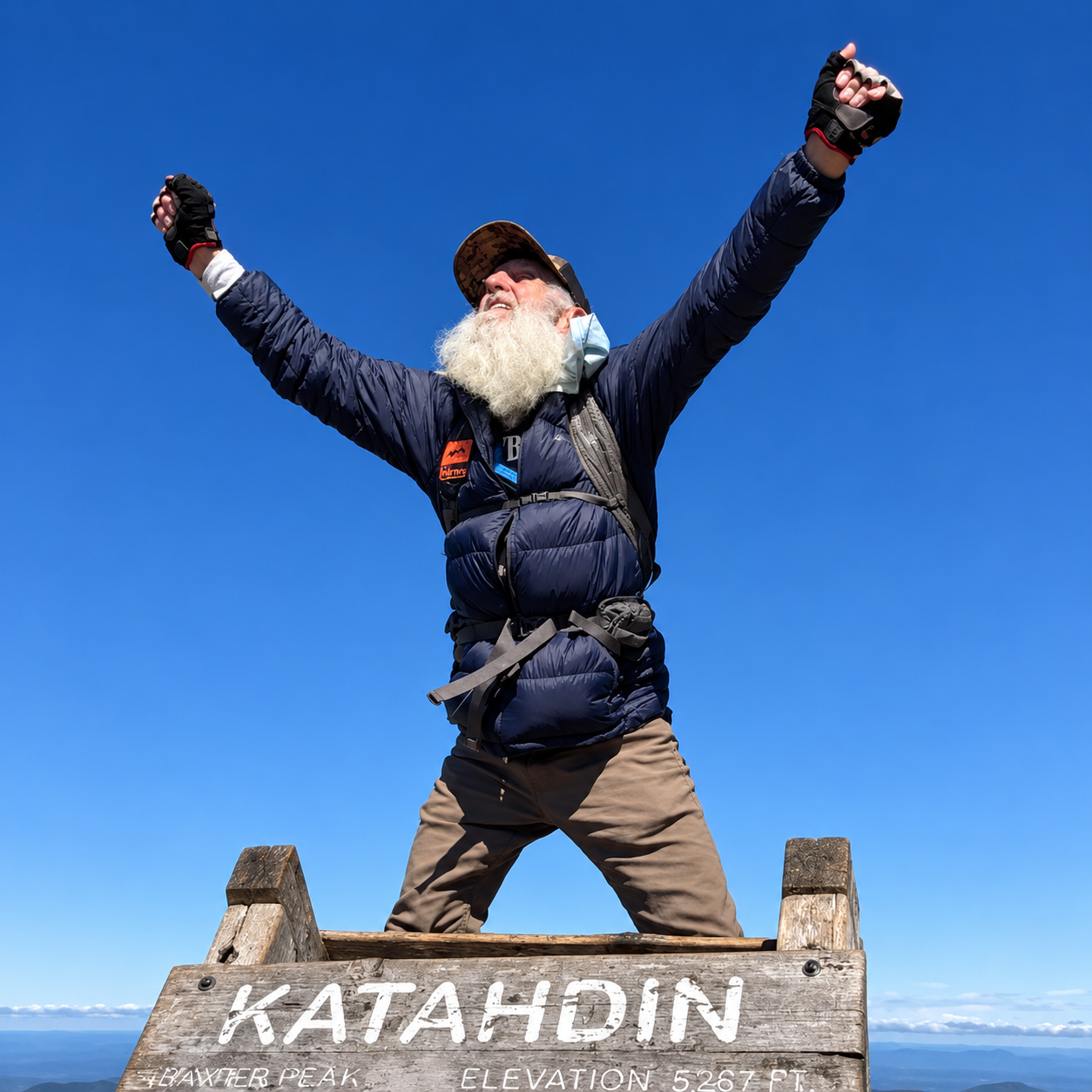
Dale Sanders, 91, who goes by the trail name “Grey Beard,” completed the trail on August 31, 2026, at the summit of Mount Katahdin in Baxter State Park, Maine. The route runs from Springer Mountain in Georgia to Katahdin. Vermont Public and the Associated Press reported that the finish put him back on top as the oldest person to complete it.
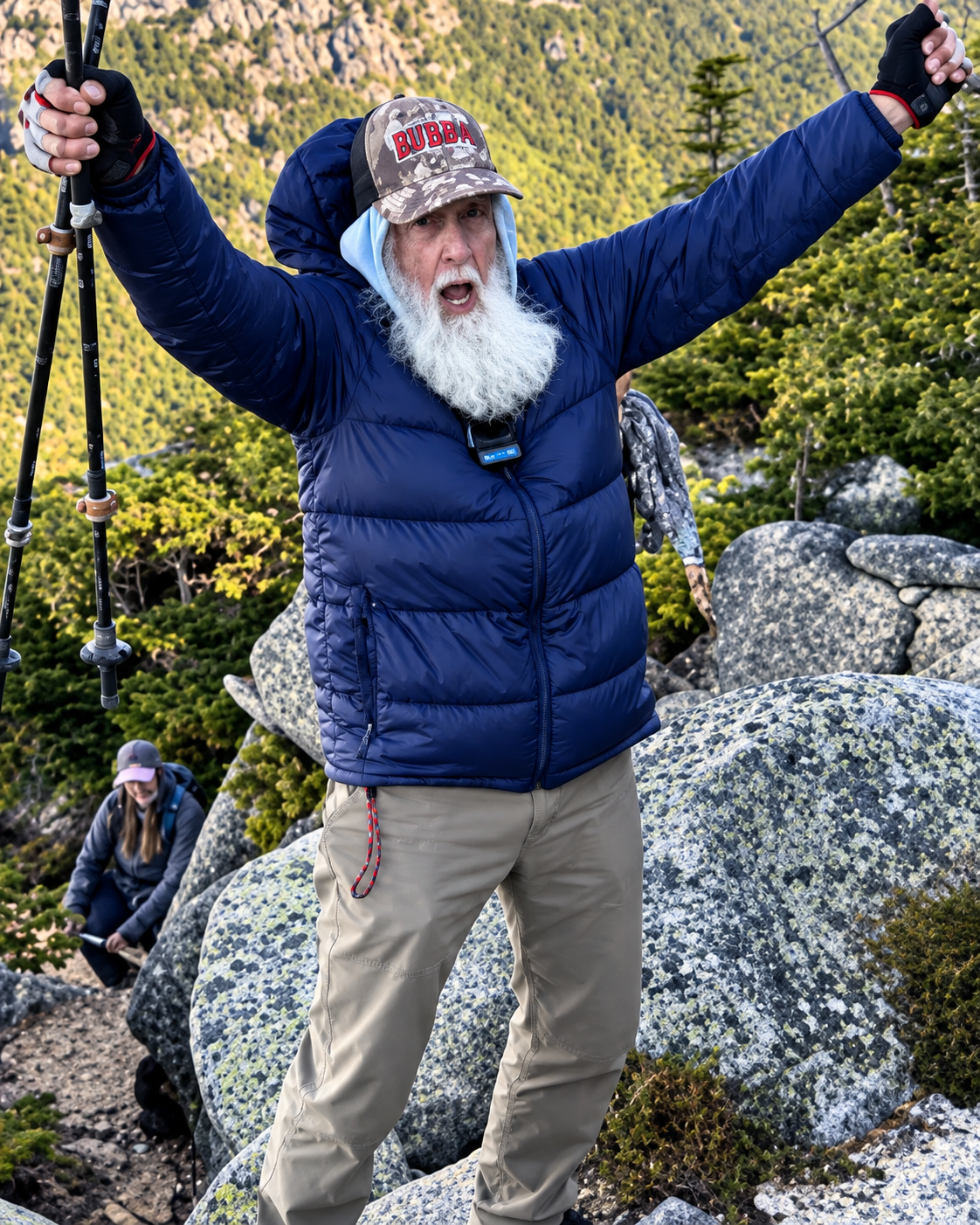
“I had to thank God, and I had to thank my support team and everybody that got me here,” Sanders said after reaching the summit.
He counted six of his falls as hard ones. One of them came about 200 yards from the finish. After his final fall, it took a few minutes before he could get back on his feet, The New York Times reported.
Blood, a numb arm and a hospital stay
One tumble came in June 2026, when Sanders fell in a boulder field while coming down Killington Mountain in Vermont. He ended up with scrapes on his legs, arms and hands.
“Thank God nothing got broken, but I was banged up,” he said.
He did not stop to clean up. “I didn’t rub the blood off, I just kept hiking,” Sanders said.
Weeks later, his left arm went numb and he was hospitalized in Maine. Doctors first feared a stroke, but the cause was a pinched nerve, and he was cleared to hike again.
Instead of heading straight back out, Sanders went home to Tennessee in early August to be with his wife after her mother died. He considered abandoning the hike. His wife encouraged him to keep going.
A record, a comeback and a power nap
Sanders first set the age record in 2017. M.J. Eberhart, known as “Nimblewill Nomad,” later took it from him.
Sanders planned his return to the trail within months of losing the title and trained for it. He said he still was not in the best shape when he got back on the trail.
His thru-hike was not a straight line from one end to the other. The Appalachian Trail Conservancy defines a thru-hike as completing every section in any order within a year, with pauses allowed. Sanders started in West Virginia, did sections out of order and took breaks.
He said thousands of people followed him on social media, and their cheers changed what the hike meant to him.
“I wanna get it back, but right now, that’s secondary,” Sanders said.
“Right now, what’s the most important thing — and it’s one of the things that surprised me — is that people are motivated and given encouragement by my efforts,” he said.
Along the way, trail supporters in Pennsylvania brought him caramel frappes. On one 12-mile day, he lay down for a “power nap,” briefly fell asleep, then got up and kept walking.
Meredith Ewenson met him while leading a hike in New Hampshire for a group of women. She said Sanders told them “I got here at noon” when they reached an Appalachian Mountain Club hut later in the day.
“My first thought was ‘Wow, his mobility is insane,’” Ewenson said. She said her group cheered the next morning as Sanders did a “victory dance” before setting off again.
“Seeing it in real life is something that I’ll definitely remember forever,” she said.
Sanders was born in Kentucky in 1935 and served in the Navy. He retired in 2002 after a long career in parks and recreation. He also holds an age-related record for paddling the entire Mississippi River.
What happened next
Sanders said he had begun filing paperwork with Guinness to make his latest record official, CBC Radio reported.
After the finish, Sanders told The New York Times he was looking forward to resting. He also said he had begun thinking about a long hike in the Grand Canyon, the paper reported on September 27, 2026.