BOY, 8, TRADED SKATEBOARD TO SAVE KITTEN, WON ASPCA AWARD
A boy gave up his skateboard to save a kitten from older kids, and the ASPCA later named him its Kid of the Year.
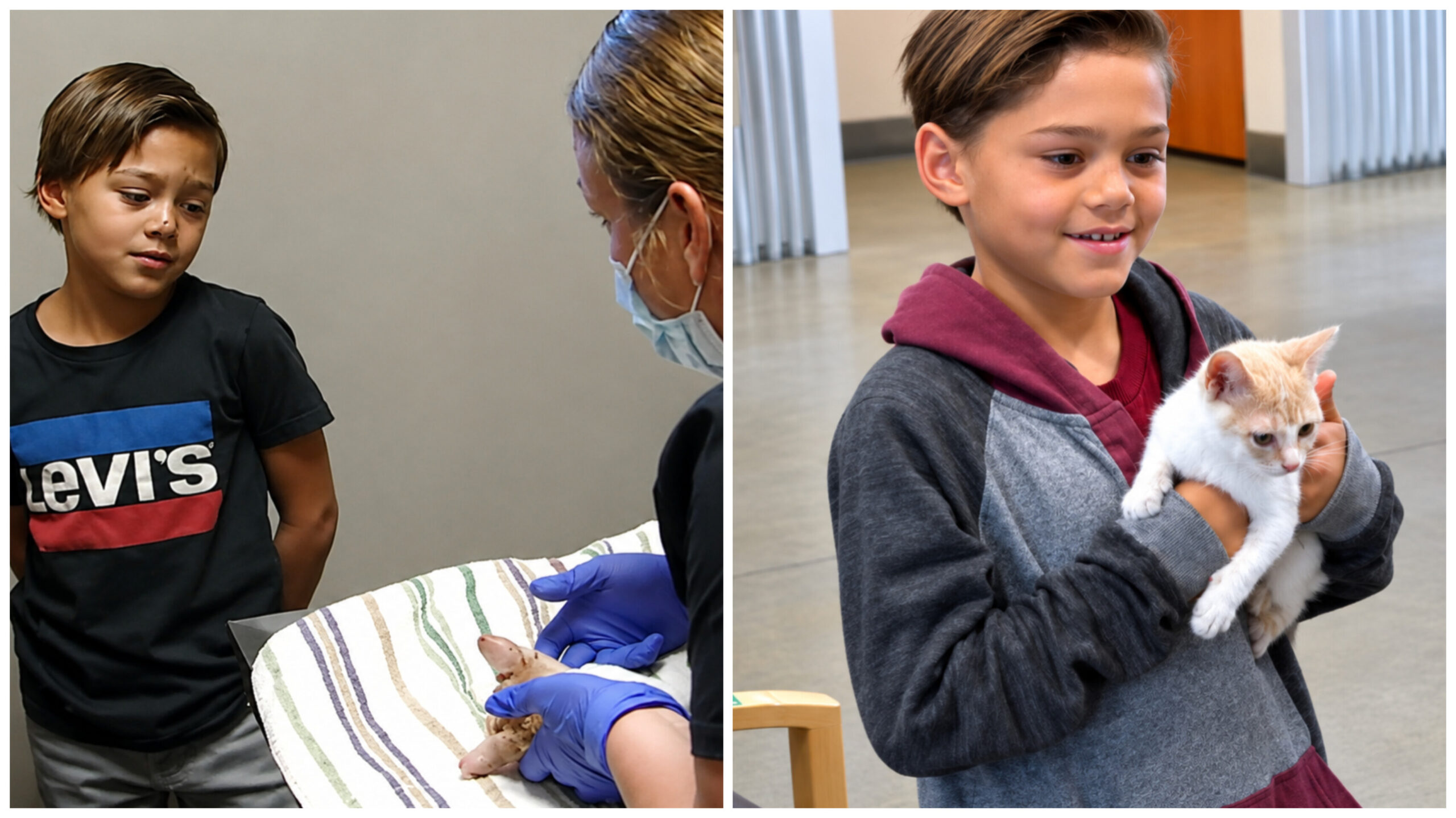
Zayin Berry, 8, was at Somerton Skateboard Park with his siblings when he saw other children mistreating a kitten. His family took the kitten, Peaches, to the Humane Society of Yuma on November 26, 2024, the shelter said.
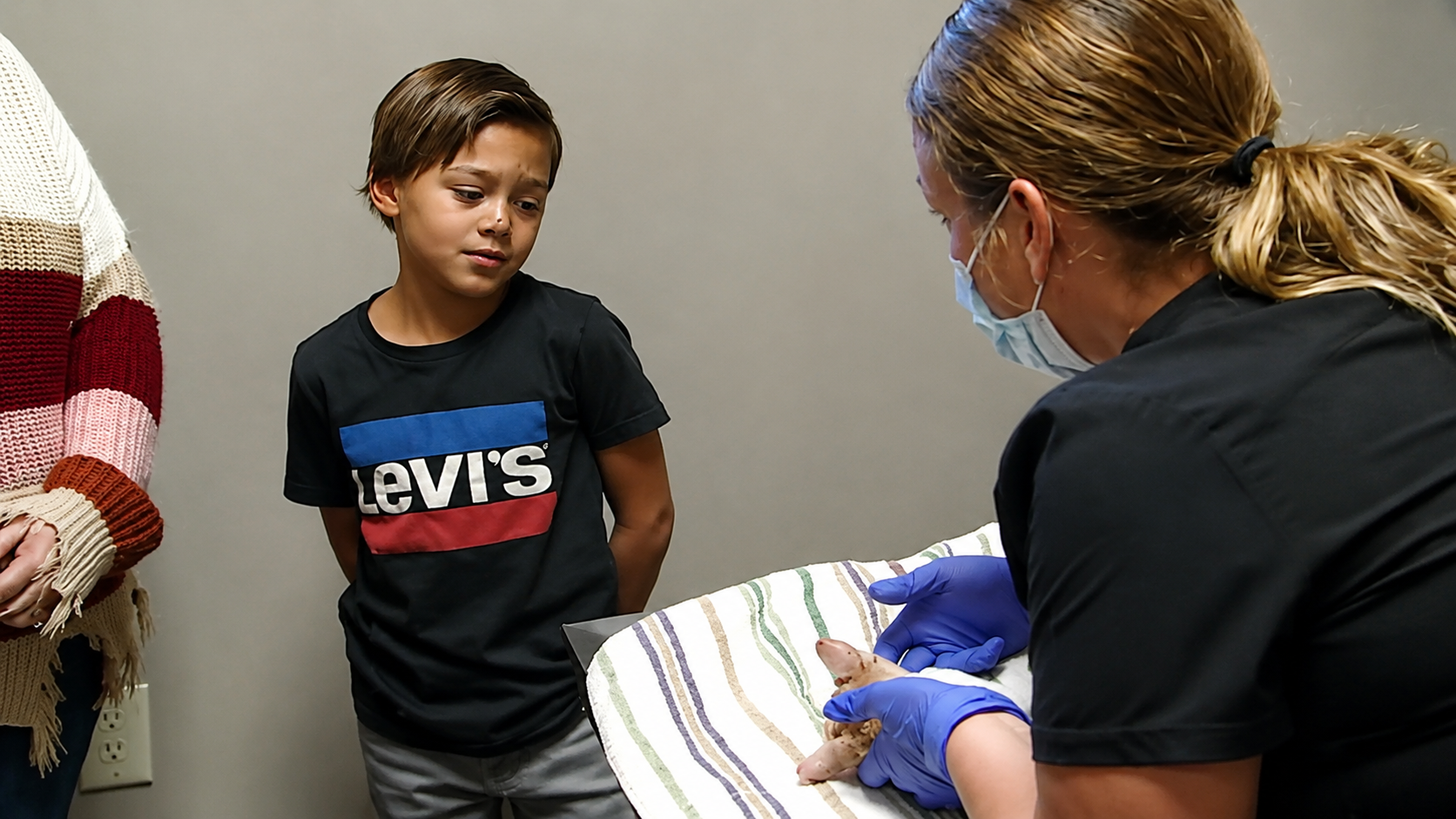
“I’d seen the older kids tossing a baby kitten around like he was a football. I was sad and mad because of the poor kitty,” Zayin told PEOPLE.
So he offered the children his skateboard in exchange for the kitten. They took the board and left the cat behind.
Zayin picked up the kitten and brought him to his mother, Rhiannon Berry. “I can get another board, but I can’t get another Peaches,” he said.
What happened next
The family first cared for Peaches at home, but he needed professional treatment. “You could hear its breathing was all congested, and his paws were all caked with gunk on it,” she told KBTX.
Peaches had an upper respiratory infection and a serious infection affecting one eye. Veterinarians at the Humane Society of Yuma removed the eye.
“We explained to him that he [Peaches] was going to lose his eye, but he said that was ‘Fine as long as he can live because that’s my best friend,'” Rhiannon said.
Peaches recovered, and the shelter said Zayin reunited with him two weeks after the kitten was brought in and adopted him. Donations helped the family cover the adoption and neutering, the station reported.
“He just fell in love with it, and you could see it… you could see the cat just loved him,” Rhiannon said.
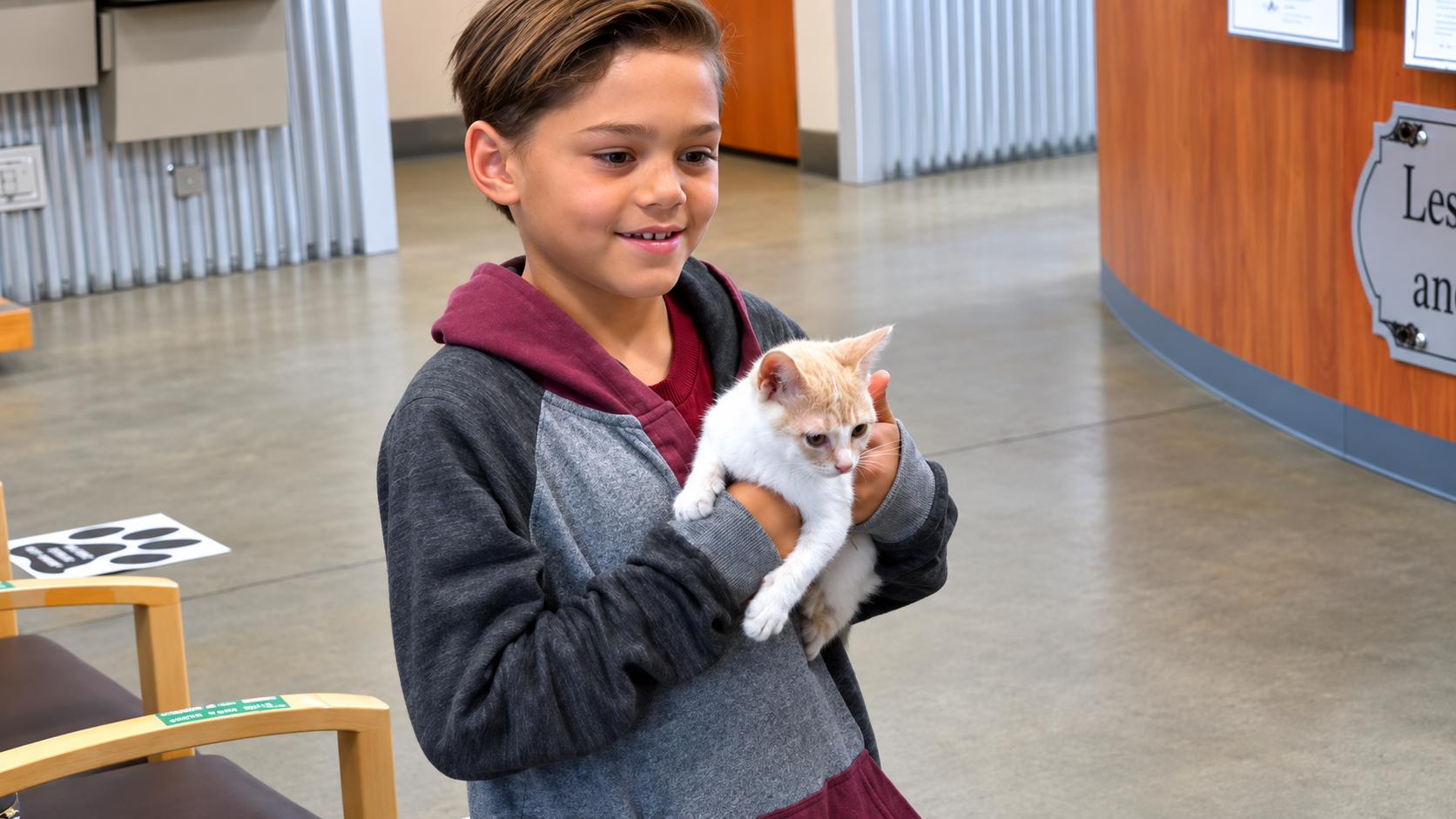
She later described the kitten’s recovery in the shelter’s annual report. “His eye (that had to be removed because of infection) is healed up and he’s become very playful with our other cats and me. He loves to get his belly rubbed.”
The shelter said Peaches became inseparable from Zayin. The Berry household had six other cats and three dogs, PEOPLE reported.
A new board and a shelter shout-out
The shelter manager and Zumiez gave Zayin a gift card for a replacement skateboard. “He actually went down to Zumiez and built the whole thing the way he wanted it,” Rhiannon said.
The shelter said Zayin was also presented with a new skateboard and items for Peaches.
“For Zayin to have that care and that drive at such a young age is honestly outstanding,” said Lauren Twerdak of the Humane Society of Yuma.
The shelter added in a statement: “He was willing to give up his most precious possession to save a kitten’s life. I hope he’s an inspiration to others … help them to be as kind and loving as he is to all creatures.”
The ASPCA announced on September 12, 2025, that Zayin was its 2025 Kid of the Year for rescuing Peaches.
Zayin received the award on October 9, 2025, at the ASPCA Humane Awards at New York City’s Plaza Hotel. He said he was “honored” to accept it, PEOPLE reported.