MAN WRONGLY JAILED FOR 17 YEARS UNTIL LAWYERS FIND LOOK ALIKE CONVICT WITH SAME FIRST NAME, GETS AWARDED $1.1 MILLION IN COMPENSATION
The American legal system relies heavily on the certainty of witnesses, but what happens when nature creates two identical faces? For Richard Anthony Jones, a freakish biological coincidence resulted in a nearly two-decade nightmare spent behind bars for a crime he did not commit.
In 2018, the state of Kansas finally attempted to make amends, awarding Jones a $1.1 million settlement. This payout serves as the conclusion to a legal saga that sounds more like a psychological thriller than a courtroom proceeding. Jones spent 17 years in a cell because he looked almost exactly like the actual perpetrator.
The story began in 1999 in a Walmart parking lot in Roeland Park, Kansas. A man attempted to snatch a woman’s purse, resulting in a struggle that left the victim with scraped knees. While the thief only made off with a cellphone, the physical altercation elevated the crime to aggravated robbery. Witnesses described the suspect as a light-skinned Hispanic or African-American man named Rick with long hair.
Police work initially seemed straightforward. A witness noted a license plate, which led investigators to a driver. That driver pointed them toward a man named Rick. When the driver and the victim viewed booking photos, they both signaled that Richard Anthony Jones was their man. Despite Jones having a rock-solid alibi—he was at his girlfriend’s birthday party surrounded by witnesses—a jury found him guilty. He received a 19-year sentence.
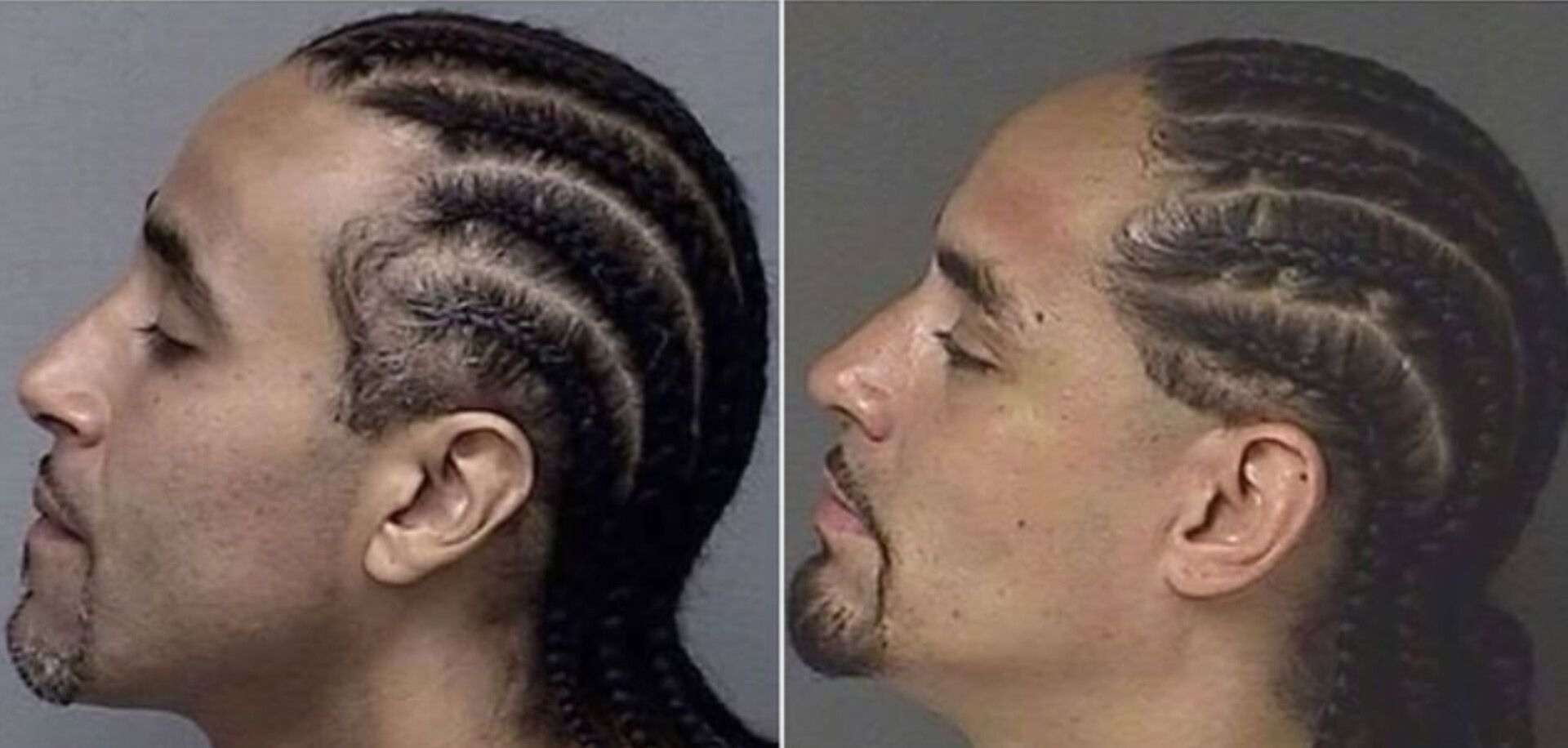
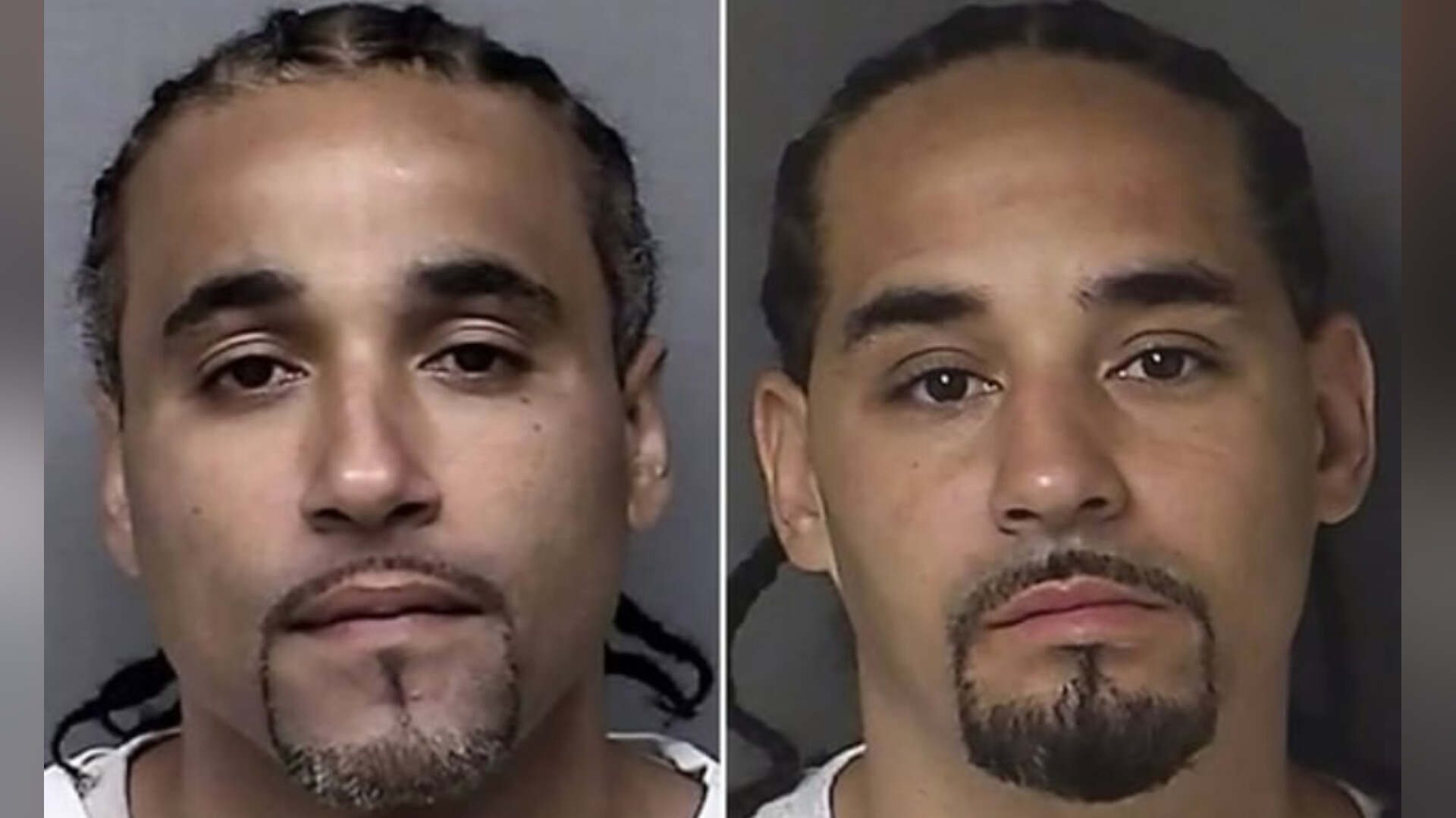
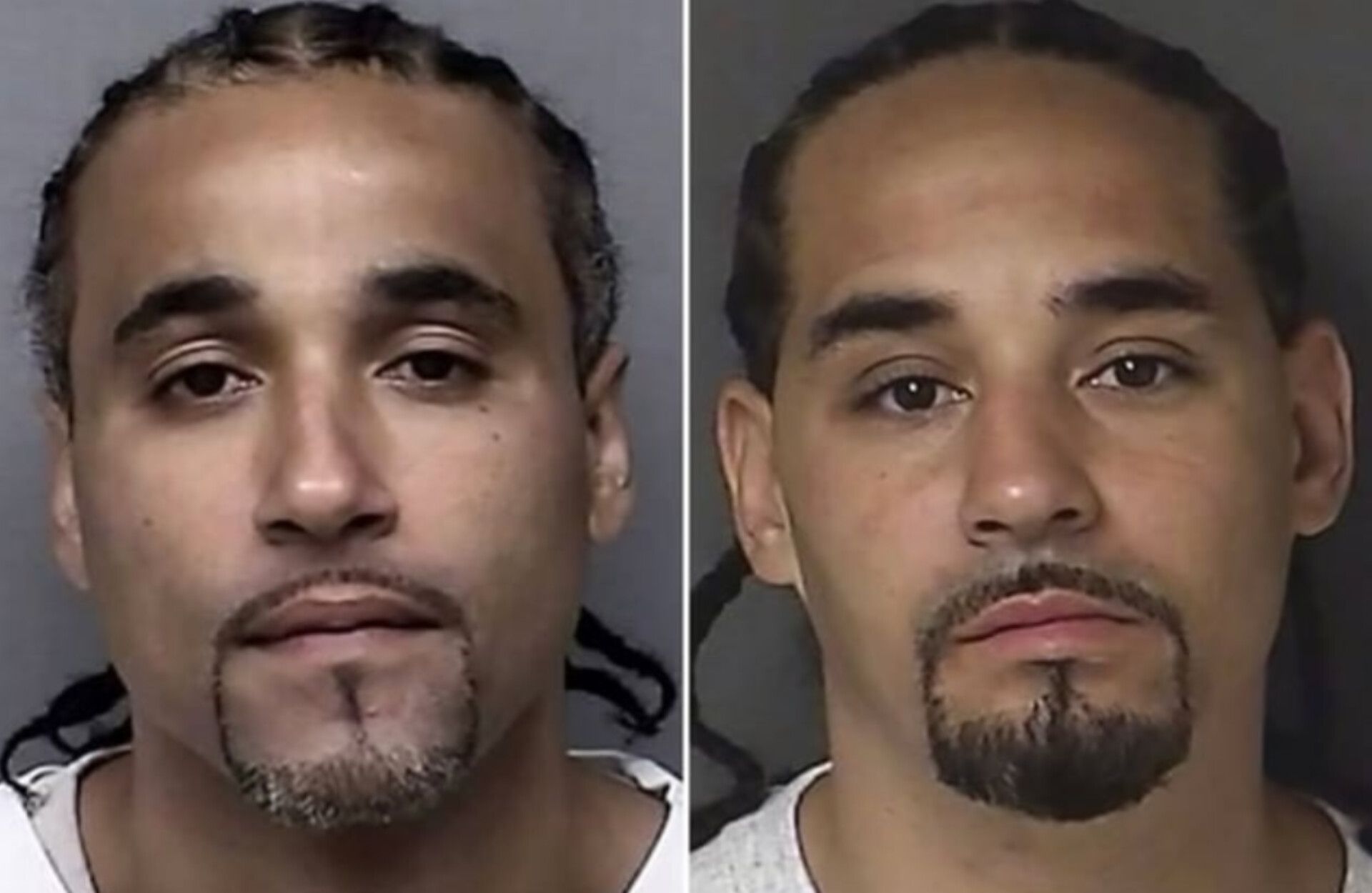
The case eventually caught the attention of the Midwest Innocence Project. Their investigation uncovered a startling reality that the original detectives missed. Another man named Ricky Lee Amos lived at the address originally linked to the crime. More importantly, Amos was a dead ringer for Jones. The resemblance was so uncanny that when investigators showed the original witnesses photos of both men side-by-side, the witnesses could no longer tell them apart.
In 2017, a judge vacated the conviction, and Jones walked out of prison a free man. By that time, the statute of limitations had expired, meaning Amos could not be prosecuted for the 1999 robbery even if he were proven guilty. Jones, however, was not content with just his freedom; he sought a formal acknowledgement of the state’s error.
This led to the 2018 settlement, the first of its kind under a new Kansas law designed to compensate the wrongly convicted. Beyond the $1.1 million, the state provided Jones with a certificate of innocence and ordered the destruction of biological samples and arrest records. The state also provided him with access to health benefits and counseling to help him reintegrate into a society that had moved on without him for 17 years.
This case highlights a terrifying flaw in eyewitness testimony, which remains one of the leading causes of wrongful convictions in the United States. According to data from the Innocence Project, eyewitness misidentification plays a role in nearly 70% of convictions eventually overturned by DNA evidence. In Jones’ case, the error wasn’t necessarily malicious, but rather a failure of human memory when presented with a “doppelganger” that fit a mental profile.
Public reaction to the settlement was a mix of relief and frustration. Many legal advocates argued that $1.1 million is a small price for nearly two decades of stolen life, which equates to roughly $64,000 per year of incarceration. However, the formal declaration of innocence is often viewed as the more valuable prize for those fighting to clear their names.
For Jones, the resolution marks a fresh start. His legal team noted that he held no specific grudge against his lookalike, recognizing that the failure lay within the investigative process rather than the man who shared his face. As Kansas administers its new mistaken-conviction statutes, the Jones case remains a haunting reminder of how easily the wrong person can disappear into the system.