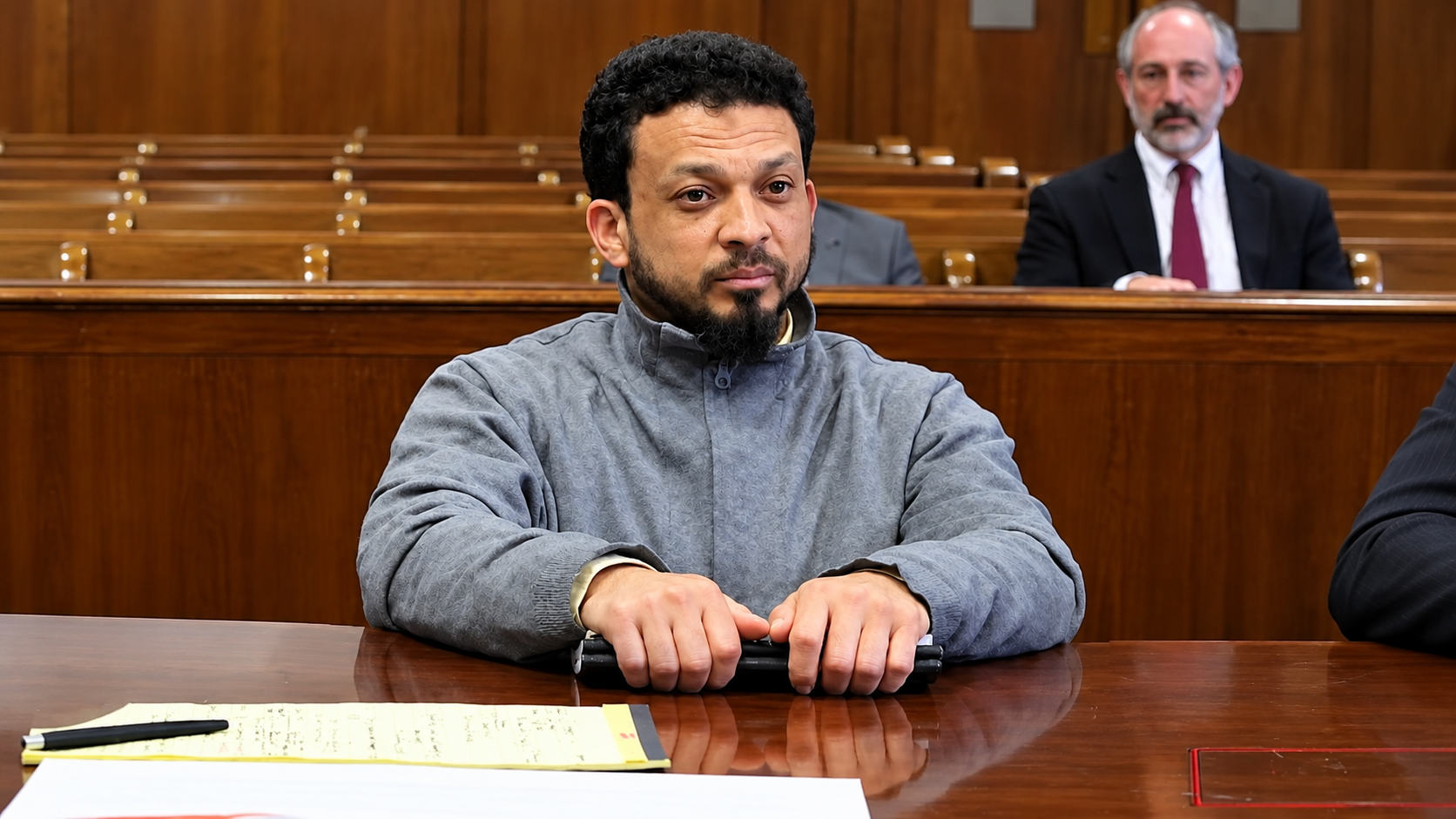
THIS MAN SPENT 5 MONTHS IN JAIL BECAUSE NOBODY TOLD HIM HIS BAIL WAS ONLY $2
Most people treat two dollars like an afterthought. It is the loose change rattling at the bottom of a backpack or the cost of a cheap vending machine snack. But for Aitabdel Salem, those two solitary dollars represented the difference between freedom and five months of psychological hell.
The Algerian native found himself caught in the gears of the New York City judicial system in 2014. He ended up languishing at Rikers Island, a facility widely regarded as one of the most dangerous and dysfunctional jails in the United States. He stayed there not because he was a high-flight risk or a dangerous kingpin, but because of a catastrophic communication breakdown. Salem claims he was never informed that his ticket home cost less than a subway ride.
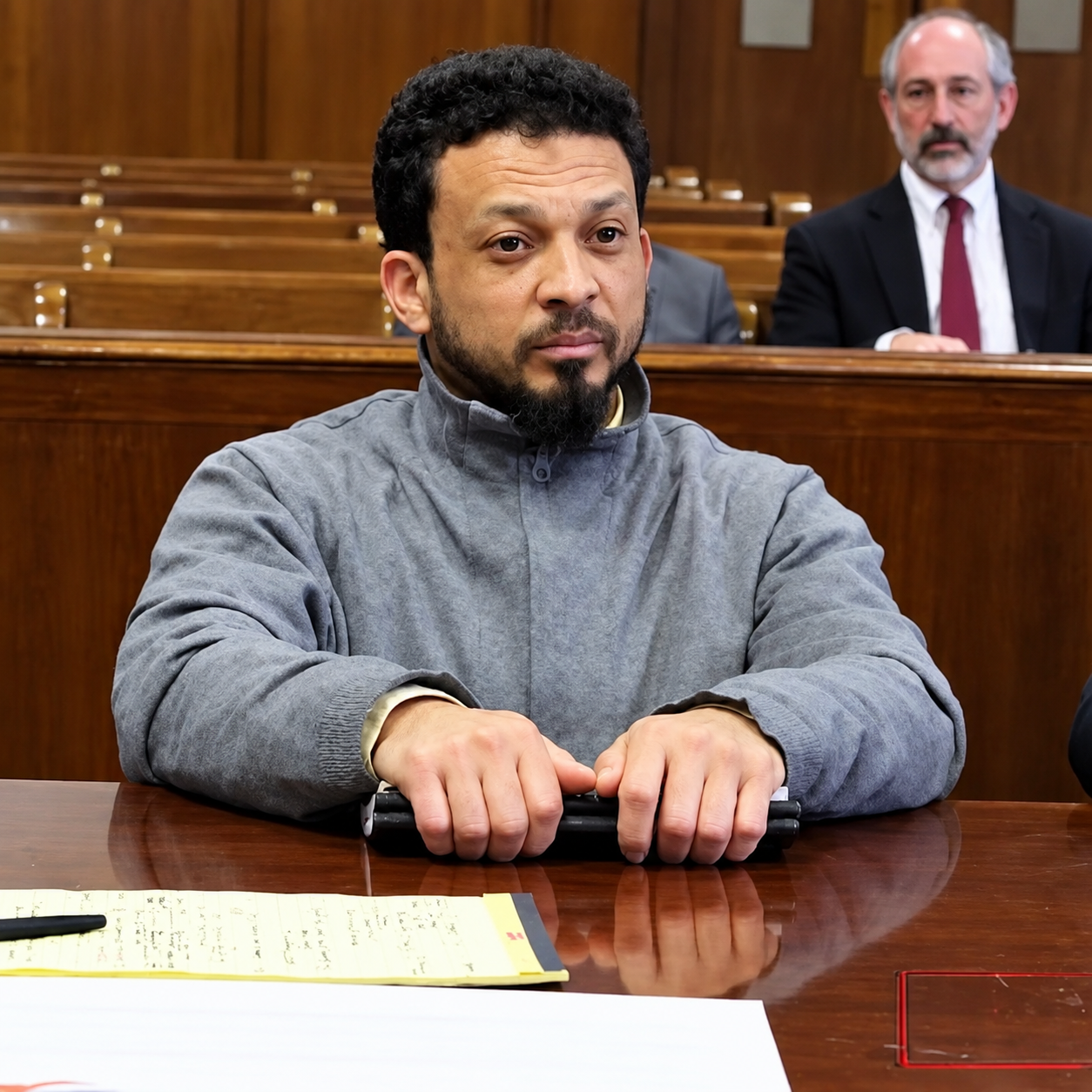
The saga began on November 21, 2014. Police arrested the 41-year-old Salem for allegedly stealing a coat from a Zara store in Manhattan’s Flatiron District. During the encounter, authorities claimed Salem attacked the arresting officer. Because of the severity of the assault charge, a judge initially set his bail at a substantial $25,000. For Salem, that figure might as well have been a billion dollars. He lacked the resources to pay, so he was shipped off to Rikers to await his fate.
In a functional system, the story might have ended a week later. By November 28, prosecutors failed to secure an indictment on the assault charge. Consequently, a judge ordered Salem’s release regarding that specific count. However, he still faced two minor charges related to tampering with a MetroCard machine. To ensure he would return to court for those petty offenses, the court set bail at $1 for each charge.
Salem remained behind bars until April 2015. For 150 days, he navigated the violence and grit of Rikers Island, believing he was still being held on the original $25,000 bond. He did not realize that the literal change in his pocket could have secured his release.
Rikers Island is not just any jail; it is a sprawling complex with a dark reputation. Built on an island that previously served as a landfill and a pig farm, the facility has faced decades of scrutiny. It is notorious for gang activity and a culture of corruption among staff. In the same era as Salem’s ordeal, the tragic case of Kalief Browder made national headlines. Browder spent three years at Rikers without a trial over a stolen backpack, an experience that led to his eventual suicide in 2015.
The sheer negligence required to keep a man imprisoned for $2 is staggering. Salem’s legal team eventually pointed the finger at his initial court-appointed counsel. They argued that the attorney failed to communicate the drastic reduction in bail, leaving Salem in the dark. Without that vital piece of information, he had no reason to believe he could leave.
The absurdity of the situation only deepened after his eventual release. Just weeks after he finally walked free in April 2015, police arrested him again on May 13. The charge? Failing to appear for an arraignment on the original assault case. His lawyers argued he never received the notice because the post office marked the court summons as “return to sender.” Because he missed that date, a judge hiked his bail to $30,000, effectively throwing him back into the cycle he had just escaped.
This case highlights a systemic issue within the American “cash bail” system. Critics argue that bail often functions as a tax on the poor rather than a tool for public safety. When a defendant cannot afford even a nominal amount, they occupy expensive jail beds at the taxpayer’s whim. In New York, the cost of housing an inmate for a single year can exceed $500,000. Keeping Salem in a cell for five months over $2 likely cost the city tens of thousands of dollars in administrative and housing expenses.
Public reaction to the story in 2016 was a mix of disbelief and outrage. Social media users pointed out the irony of a system that spends thousands to collect two dollars. Others noted that if Salem had been a wealthy defendant, his lawyers would have caught the clerical change within minutes. The case remains a textbook example of how administrative silence can transform a minor legal hiccup into a months-long violation of civil liberties.
Salem’s experience underscores a terrifying reality for those navigating the legal system without high-end representation. You are only as free as the information you are given. If the system fails to tell you the door is unlocked, you remain a prisoner just the same.