ISLAMIC PREACHER CLAIMS THAT MEN WITHOUT BEARDS GENERATE DESIRE AND IMPROPER THOUGHTS AMONG OTHER MEN
The line between traditional masculinity and modern grooming has become a theological battleground in Turkey. While many men view a morning shave as a simple hygiene routine, a religious commentator suggests it might be a gateway to spiritual confusion. This controversy highlights the deepening cultural divide in a nation historically caught between Western secularism and Eastern tradition.
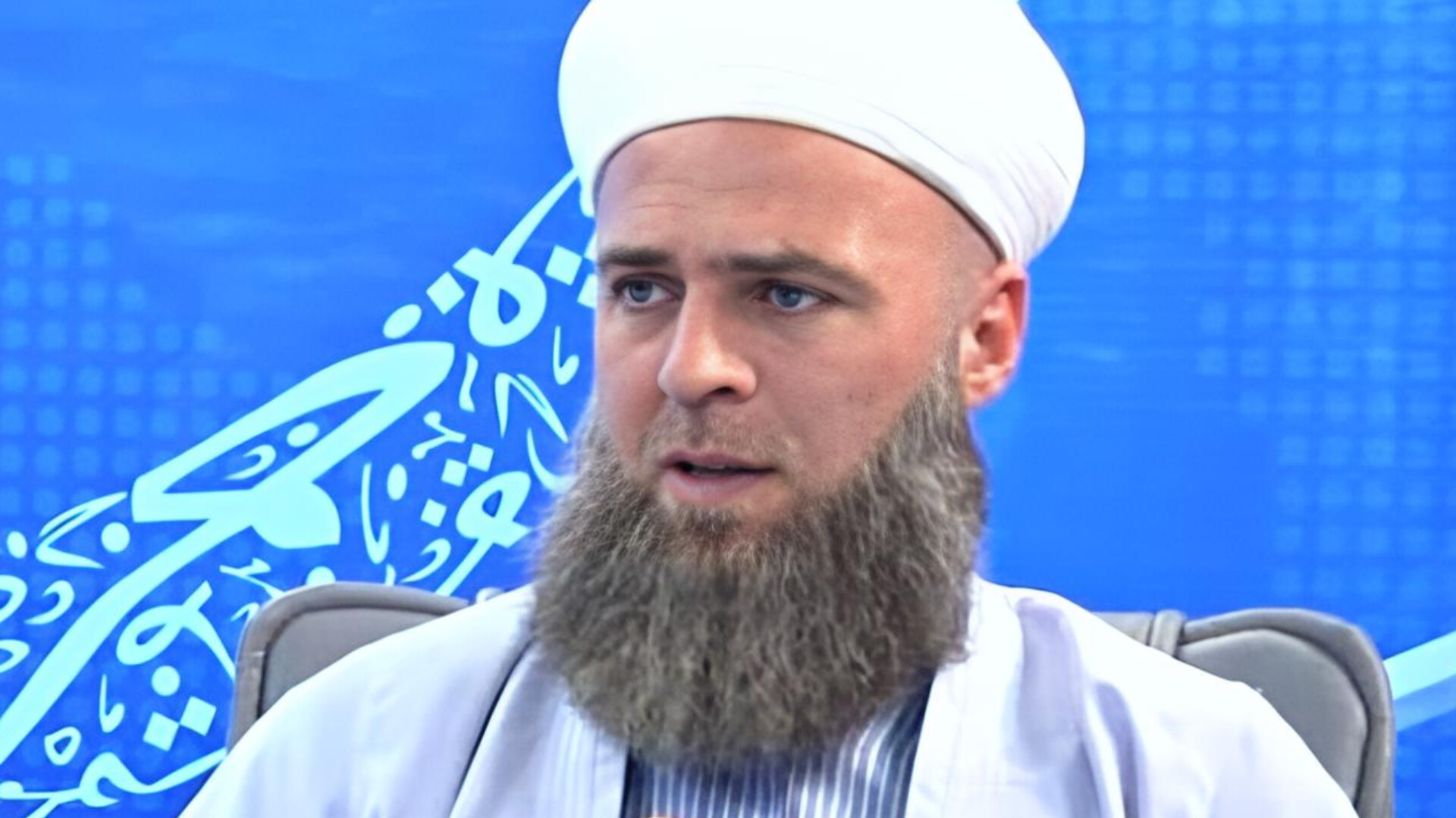
In late 2017, Islamic preacher Murat Bayaral sparked a viral debate during an appearance on the religious television station Fatih Medreseleri. Bayaral argued that men must grow beards to distinguish themselves from the opposite sex. He claimed that because men and women often dress similarly in the modern era, a clean-shaven face leaves too much to the imagination. According to Bayaral, a man with long hair seen from a distance could be mistaken for a woman if he lacks facial hair. He warned that this lack of distinction could lead other men to be possessed by “indecent thoughts,” suggesting a fear of accidental same-sex attraction.
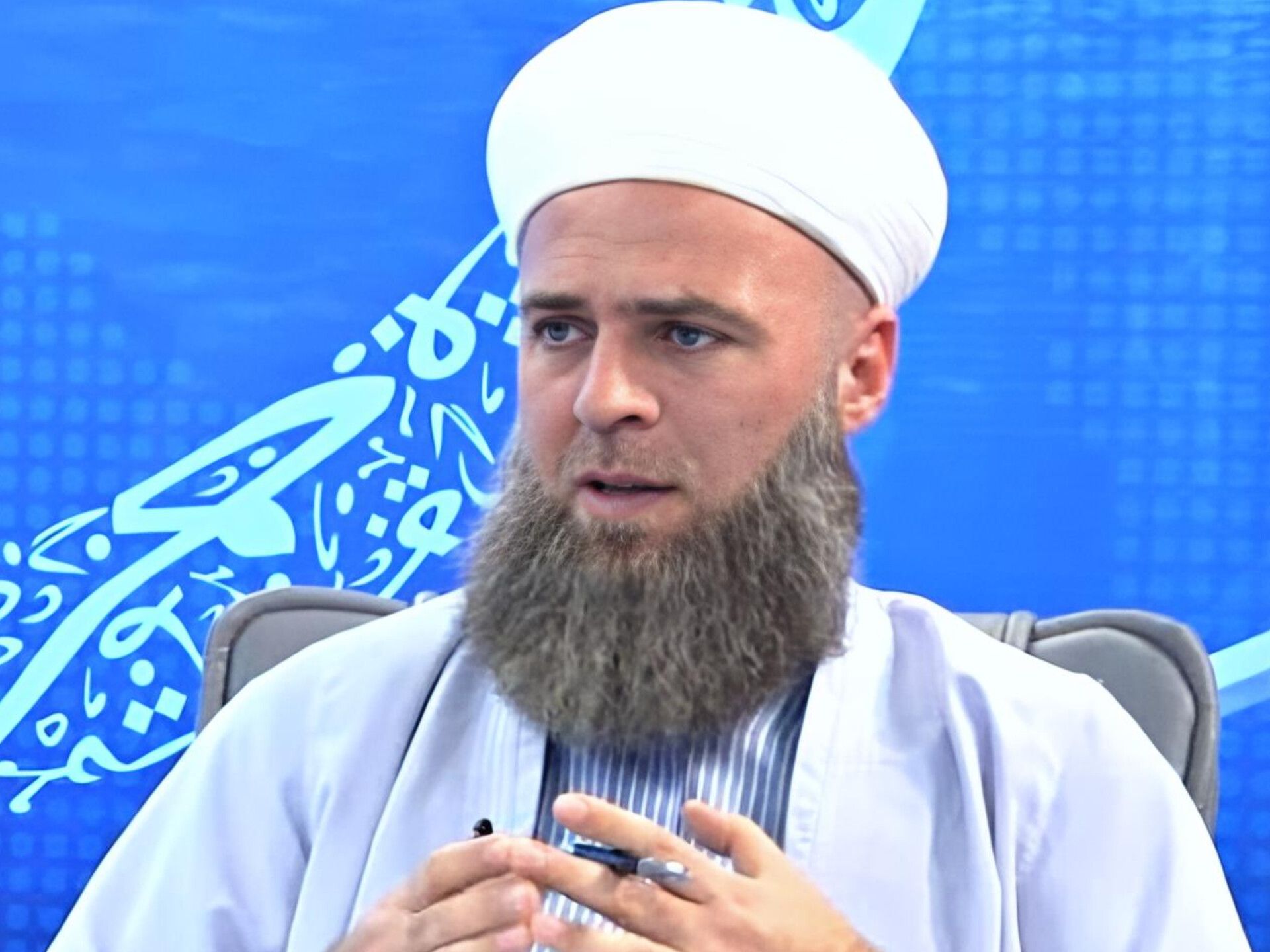
While Bayaral is considered a marginal figure without formal government authority, his comments did not emerge in a vacuum. They arrived at a time when Turkey was undergoing a massive shift in its national identity. Since its founding in 1923 by Mustafa Kemal Atatürk, Turkey had operated as a strictly secular republic. For decades, the government even banned headscarves in state institutions to maintain a clear wall between mosque and state. However, by 2017, President Recep Tayyip Erdoğan had begun dismantling these secular pillars in favor of “Islamic nationalism.”
This shift involved more than just rhetoric. In the year leading up to Bayaral’s comments, the Turkish government removed evolution from the public school curriculum. They also lifted the long-standing ban on headscarves for schoolgirls. Experts like Magdalena Kirchner from the Istanbul Policy Center noted at the time that these statements create a “bottom-up pressure.” By making provocative claims about beards or how women should behave in public, religious hardliners help move the needle of social acceptability without needing to pass new laws.
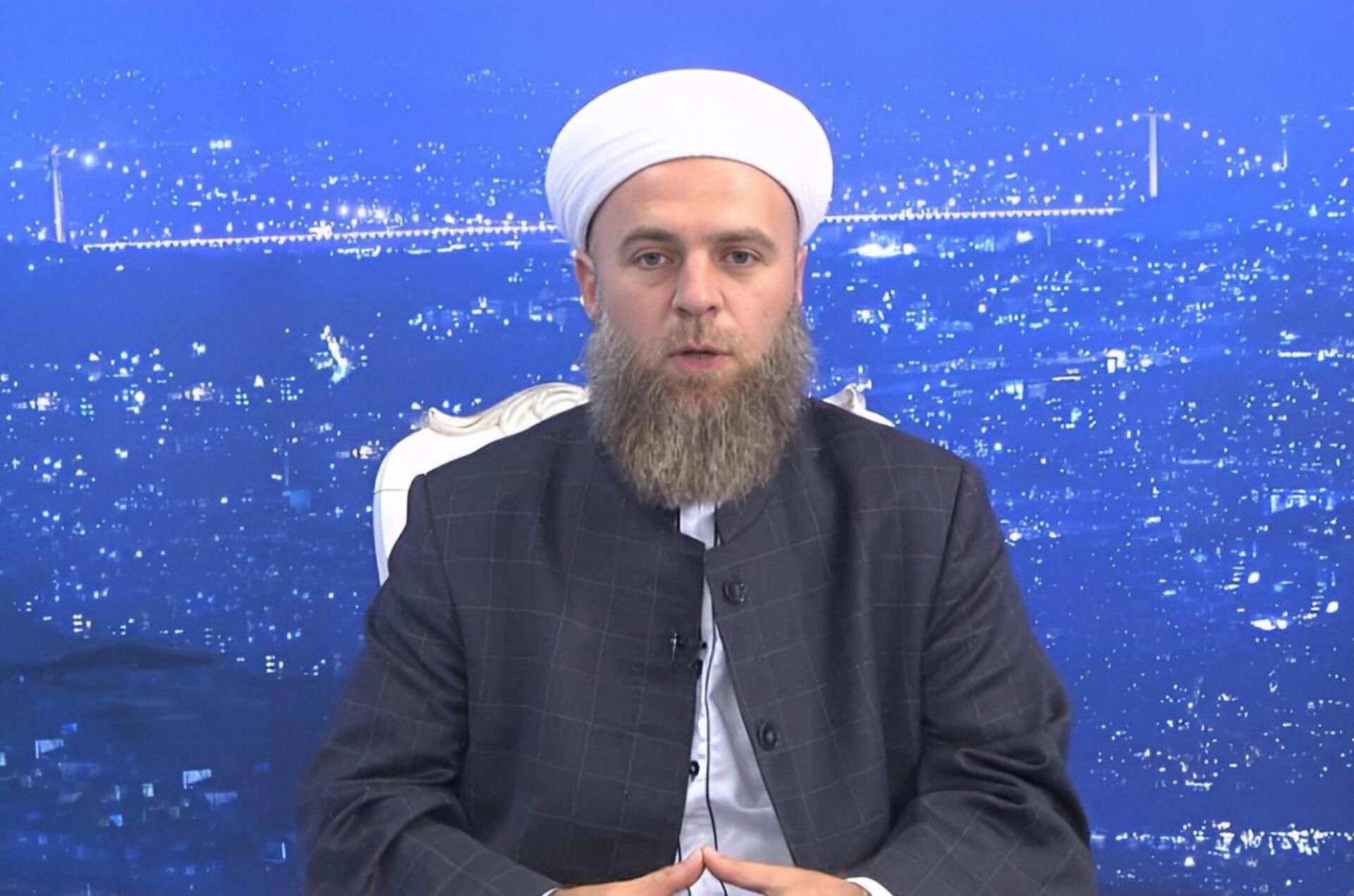
The religious significance of the beard varies wildly across the Muslim world. Many devout men grow facial hair to emulate the Prophet Muhammad. However, Islamic scholars frequently point out that the Quran does not explicitly command men to grow beards. The practice is largely rooted in the Hadith, which are collections of sayings and actions attributed to the Prophet. While some extremist groups in regions like Afghanistan have historically used violence to enforce beard-growing, Turkey had long been an outlier. Even prominent Turkish religious scholars were often seen with clean-shaven faces throughout the 20th century.
Public reaction to Bayaral’s claims in 2017 reflected a country divided. Secular Turks often took to social media to mock the idea that a lack of stubble could cause a moral crisis. Critics argued that if a man’s virtue is so fragile that a smooth chin causes him to stumble, the problem lies with the observer rather than the groomed individual. Conversely, the comments resonated with a growing conservative base that feels Western influence has blurred the natural roles of men and women.
This “beard debate” is a proxy for a much larger struggle for the soul of Turkey. Geopolitical experts describe the country as a “single polity built around two divergent cultures.” On one side is the European-facing, secular urban population. On the other is a resurgent, devout population that feels energized by the government’s religious turn. In 2012, Erdoğan explicitly stated his goal was to raise “devout generations.” The obsession with facial hair is simply one symptom of that broader mission.
Ultimately, the controversy over beards reveals how personal grooming can become a political statement. When a preacher claims that a shave leads to “indecent thoughts,” he isn’t just talking about hair. He is questioning the very foundations of the secular lifestyle. As Turkey continues to navigate its path between the religious and the secular, the battle over what men and women should look like remains a central flashpoint in the culture wars.