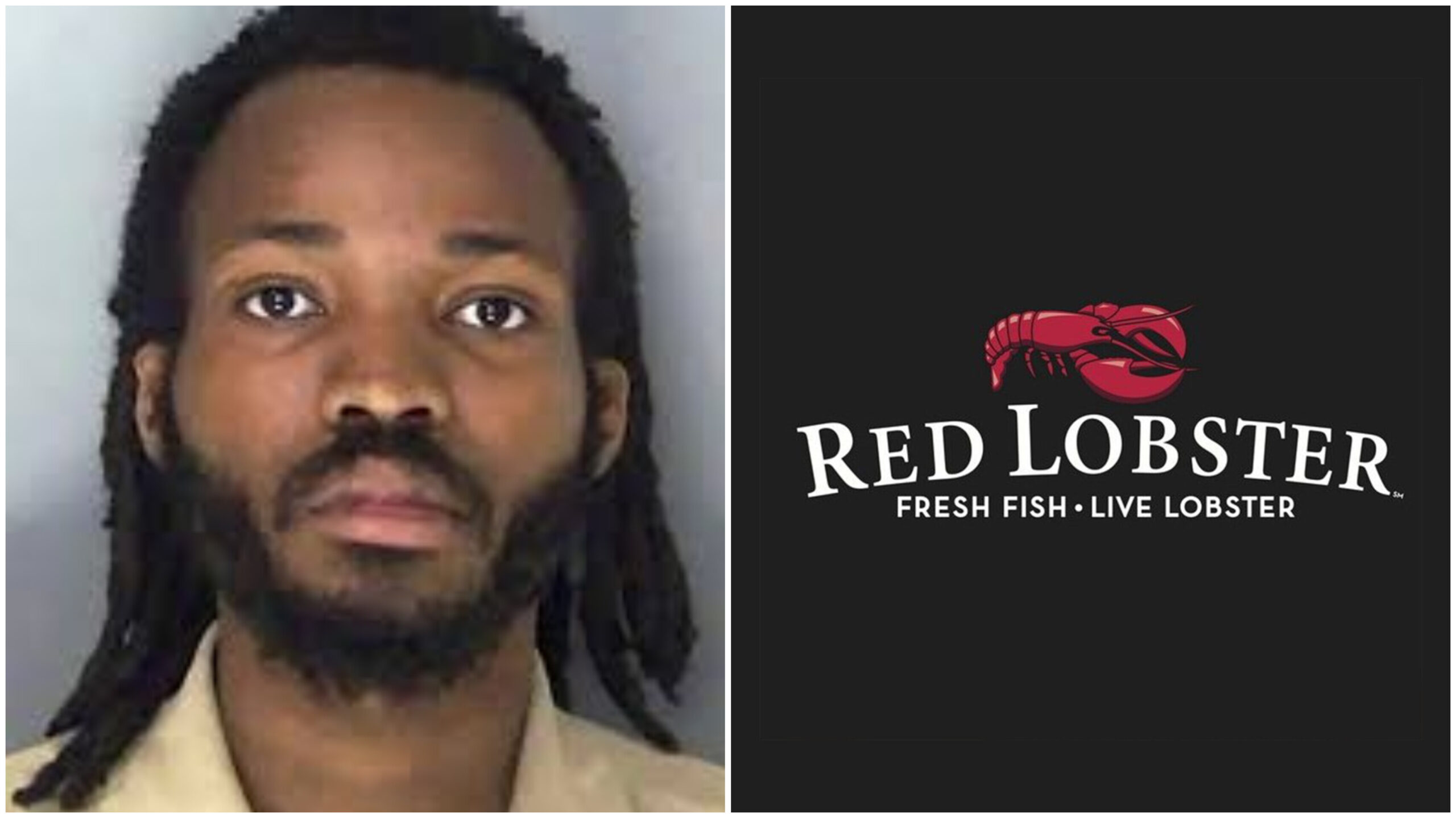
GEORGIA MAN ARRESTED AFTER CALLING 911 WITH A FAKE MEDICAL EMERGENCY TO AVOID PAYING HIS RED LOBSTER BILL
Most people find the bill at a casual dining restaurant a bit high these days. Inflation has turned a simple seafood dinner into a calculated financial decision. However, one man in Georgia recently decided that the cost of his meal was simply too high to pay. Instead of checking his bank balance or asking for a manager, he reportedly decided to stage a dramatic performance. The resulting legal drama has now cost him thousands of times more than the original price of his dinner.
The incident occurred at a Red Lobster location in Douglasville, Georgia. On Friday, September 25, 2026, a 26-year-old man named Abdul Hakeem Rasheed sat down for a meal. By the end of his seating, he faced a bill totaling $63. Rather than settling the tab, Rasheed allegedly initiated a plan to bypass the payment entirely. Witnesses and employees watched as the patron suddenly appeared to suffer a severe medical crisis. The situation seemed dire enough that emergency services were summoned to the restaurant immediately.
When police and first responders arrived, they found Rasheed in the middle of his supposed health scare. However, the responding officers quickly grew suspicious of the man’s behavior. Trained professionals are usually adept at spotting the difference between a physiological crisis and a theatrical one. After a brief assessment, authorities concluded that Rasheed was not actually in any physical danger. Instead, they determined he was using the arrival of the police and paramedics as a distraction. The goal, they believe, was to leave the premises without paying for his seafood feast.
This specific type of fraud is known as “dine and dash,” but adding a fake 911 call elevates it to a serious crime. While the internet is full of stories about people slipping out of back doors or running across parking lots, calling for emergency aid is a different level of deception. In Georgia, as in most states, this triggers multiple criminal charges. Law enforcement took Rasheed into custody on the spot. He was transported to the Douglas County Jail, where the reality of his situation likely began to set in.
The legal system did not take the misuse of emergency resources lightly. A judge eventually set Rasheed’s total bond at $4,500. This figure is broken down into two distinct charges. The first is theft of service, which carries a $1,500 bond. The second, and more severe, is unlawful conduct during a 9-1-1 call, which accounts for another $3,000. In a classic example of backfiring logic, the man who allegedly didn’t want to spend $63 now faces a financial burden nearly 70 times that amount just to secure his temporary freedom.
Public reaction to the story has been a mix of amusement and frustration. Social media users often point out the absurdity of risking a permanent criminal record over the price of a few lobster tails. Others have highlighted the danger of faking a medical event. When emergency crews respond to a hoax at a restaurant, they are unavailable for genuine life-or-death situations occurring elsewhere in the city. This strain on public resources is exactly why the charge for misusing 911 is often more severe than the theft itself.
Dine-and-dash incidents have seen a strange evolution in recent years. Historically, these were crimes of opportunity committed by teenagers or those looking for a quick thrill. However, as restaurant prices rise, some adults have turned to increasingly desperate measures. The “medical ruse” is a recurring theme in these cases. By forcing the staff to focus on a guest’s health, the perpetrator hopes to create a chaotic environment where the bill is the last thing on anyone’s mind. Unfortunately for Rasheed, the Douglasville police have seen this script before.
As of late 2026, Rasheed remains in custody at the Douglas County Jail. His case serves as a stark reminder that the cost of a scam is almost always higher than the cost of the service. Whether he was motivated by a lack of funds or a misguided desire for a free meal, the state of Georgia is ensuring that the “free” dinner will be the most expensive mistake of his life. For now, the only thing he is being served is a court date.