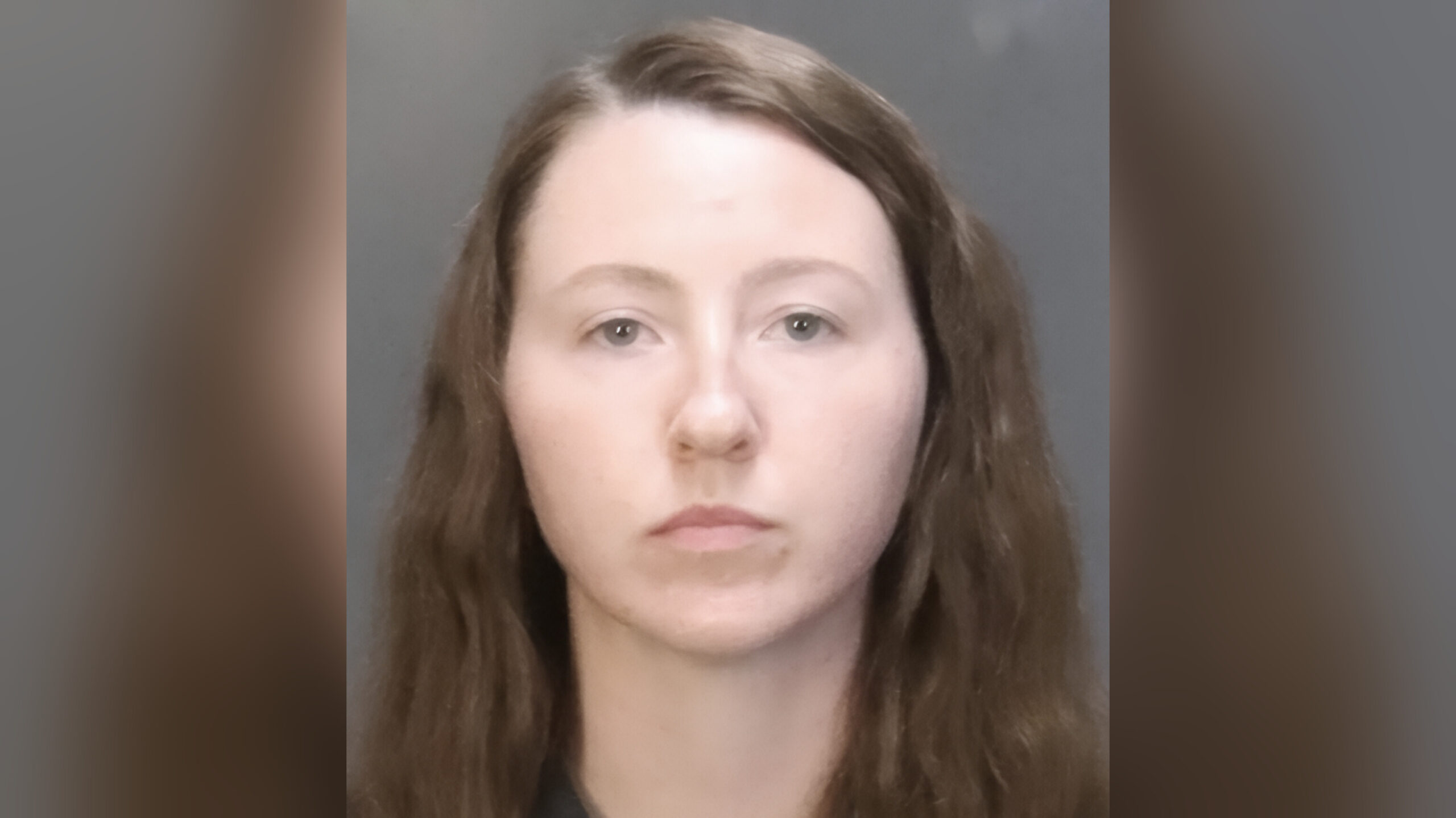
TEXAS TEACHER WHO ADMITTED SEX WITH TEENAGE BOY GETS DEFERRED PROBATION AFTER FATHER SAYS SON IS “THRIVING”
The legal system often struggles to balance the scales when the line between educator and predator becomes blurred. In small-town Texas, a case involving a former high school coach has sparked a fierce debate over accountability and the long-term impact of forbidden relationships. The resolution of this case suggests that, in the eyes of the law, not every breach of professional ethics carries the same weight of punishment.
In 2026, Shelby Dawn Lashombe, a 25-year-old former teacher at Valley Mills High School, walked out of a Waco courtroom with a legal victory that many found startling. Despite admitting to sexual encounters with two 16-year-old boys, Lashombe secured a plea deal that effectively wipes her slate clean. Judge Thomas West of the 19th State District Court approved a deferred probation sentence, a specific legal maneuver that allows a defendant to avoid a permanent felony conviction if they follow court orders.

The specifics of the case are as uncomfortable as they are legally complex. Lashombe faced charges related to her conduct with two teenagers who attended nearby West High School and Axtell High School. While she was an active educator at the time, she was not the boys’ direct teacher. This distinction became a cornerstone of her defense. Her attorney, Cody Cleveland, argued that Lashombe never utilized her position of power to coerce the minors. Instead, he painted a picture of a relationship sparked by social media interactions initiated by the teens themselves.
The courtroom scene in September 2026 revealed a community deeply fractured by the incident. In a moment rarely seen in criminal proceedings, nearly 50 supporters attended the hearing to advocate for the former teacher. When the defense attorney asked the gallery for a show of hands to signal support, almost everyone in the room raised their arm. Among those supporters was the father of one of the victims. He testified that his son was thriving, making good grades, and playing football. He explicitly stated that he did not view Lashombe as a predator and wished for her to avoid prison.

However, the boy’s mother presented a harrowing counter-narrative. In a victim impact statement that briefly brought the adjourned hearing back to order, she described a son who had become a shadow of his former self. She told the court that the boy had stopped attending Mass, skipped his high school prom, and suffered from severe anxiety and withdrawal. To her, Lashombe’s actions were “calculated and predatory,” representing a total betrayal of the trust placed in educators.
The legal outcome for Lashombe is significant due to what it excludes. By receiving six years of deferred probation and a $1,000 fine, she avoids the most stigmatizing consequence of sex-related crimes: the sex offender registry. While she must serve four weekends in jail and 60 days of work detail, she will not be labeled a sex offender under Texas law. This result is rare in cases involving educator misconduct, which typically triggers mandatory registration requirements.
Historical context in Texas shows that “Improper Relationship Between Educator and Student” is a second-degree felony designed to protect the integrity of the school system, regardless of whether the student attends the same school as the teacher. The law operates on the principle that the power dynamic inherent in the profession makes consent a legal impossibility. Lashombe had previously taught at West and Midway schools, meaning she had established ties to the community and the boys long before the criminal investigation began.
The defense also leaned heavily on psychological testimony. Gabrielle White, Lashombe’s therapist, testified that the former coach suffered from adjustment disorders and even developed PTSD symptoms from the eight hours she spent in jail following her initial arrest. The therapist argued that Lashombe had matured significantly during a year of counseling and was no longer a risk for “reckless decisions.”
Assistant District Attorney Will Hix defended the plea agreement by stating that justice is not always about a maximum sentence. He emphasized that the prosecution worked closely with the families to reach a resolution they believed was appropriate. However, the disparity between the two parents’ testimonies highlights a common issue in these cases: the “victim” status is often interpreted differently by those involved, even within the same family.
Lashombe has since resigned from her teaching post and surrendered her state certification, ensuring she will never work in a classroom again. She currently works at a furniture store in Waco. The case serves as a controversial reminder of how personal relationships, community support, and legal technicalities can converge to produce a sentence that feels like a slap on the wrist to some and a fair second chance to others.