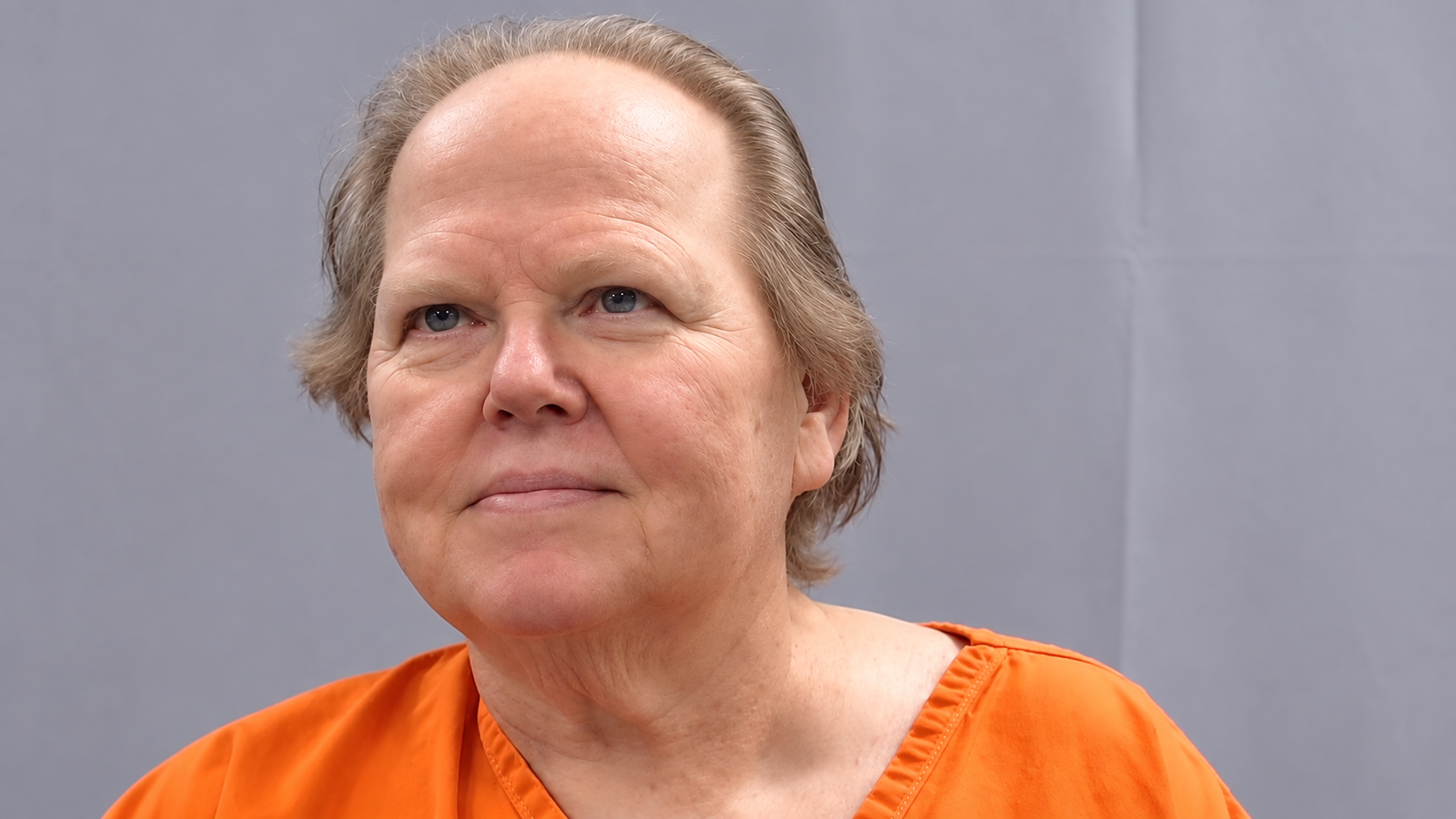
WOMAN LEFT HUSBAND WITH ALZHEIMER’S ON TOILET FOR 19 HOURS, CONTRIBUTING TO HIS DEATH
Caregiving for a spouse with dementia is often described as the most difficult job in the world. However, a recent case in West Virginia has crossed the line from a difficult situation into a criminal tragedy. Authorities have arrested a woman who allegedly allowed her husband to languish in a bathroom for nearly a entire day, leading to his eventual passing.
The narrative began in 2026 when law enforcement in Monongalia County received a disturbing report. In August of that year, adult protective services alerted the sheriff’s office to a 76-year-old patient at Ruby Memorial Hospital. The man showed clear signs of severe neglect. Investigators soon discovered that the victim’s wife, 75-year-old Margaret Rog, had been his primary caretaker at their Orchard Crossing home in Morgantown.
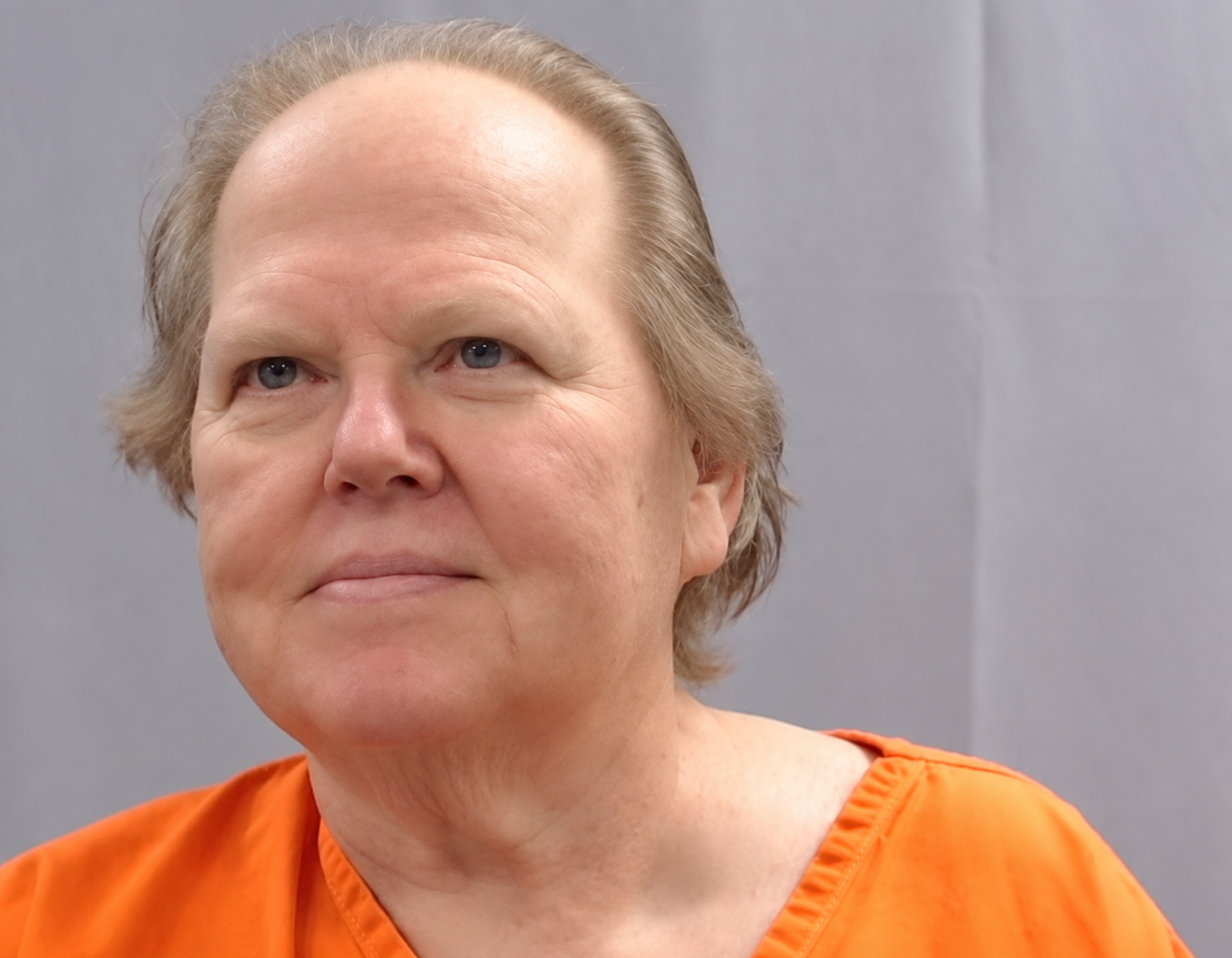
The victim suffered from a long list of debilitating conditions. He was legally blind and lived with both Alzheimer’s disease and dementia. Because of these ailments, the state classified him as an incapacitated adult. He relied entirely on his wife for his basic survival. On the afternoon of August 20, around 3 p.m., the man went to the bathroom but found himself unable to stand back up.
According to the criminal complaint, Rog attempted to assist him but could not lift him. Rather than calling for emergency services or reaching out to a neighbor, she simply left him there. For the next 19 hours, the man remained trapped in the bathroom. The sheriff’s office reports that he was denied water, food, and his necessary medications during this timeframe.
The neglect reached a peak when Rog reportedly went to bed for the night while her husband remained on the floor or the toilet. She told investigators she heard him groaning in pain throughout the night. Despite hearing his distress, she did not seek medical intervention. A speech therapist arriving for a scheduled home visit the next morning finally discovered the man. By 10 a.m. the following day, he was unresponsive and in critical condition.
While the victim was rushed to the hospital, the damage was already done. He passed away on August 31. Medical professionals determined that the physical trauma and lack of care he experienced during those 19 hours were significant contributing factors to his death. Rog now faces charges of abuse or neglect of an incapacitated adult.
This incident highlights the growing crisis of “caregiver burnout,” though the legal system must now decide if this was a case of exhaustion or intentional malice. Statistics show that nearly 16 million Americans provide unpaid care for people with Alzheimer’s or other dementias. The physical and emotional toll is immense, often leading to health problems for the caregivers themselves. However, the legal standard for neglect remains strict, especially when a vulnerable person is left in a life-threatening position without access to emergency help.
Public reaction to the story has been a mix of horror and a grim acknowledgment of the difficulties of dementia care. Online commenters often point out that while the physical act of lifting a grown man is difficult, the failure to pick up a phone for 19 hours is what makes this case particularly haunting. In similar past incidents, courts have looked at whether the caregiver had the cognitive capacity to understand the danger. In this case, detectives noted that Rog made statements indicating she knew her husband needed help but deliberately chose not to provide it.
The case serves as a stark reminder of the “silent epidemic” of elder abuse in domestic settings. Often, these situations go unnoticed until a third-party professional, like the speech therapist in this story, happens to walk through the door. Without that scheduled visit, it is unclear how much longer the man would have remained in that bathroom.
As the legal proceedings move forward, the community is left grappling with the reality of how a long-term marriage can end in such a desolate manner. The Monongalia County Sheriff’s Office continues to process the evidence, but the central question remains why a spouse would choose silence over a 911 call.