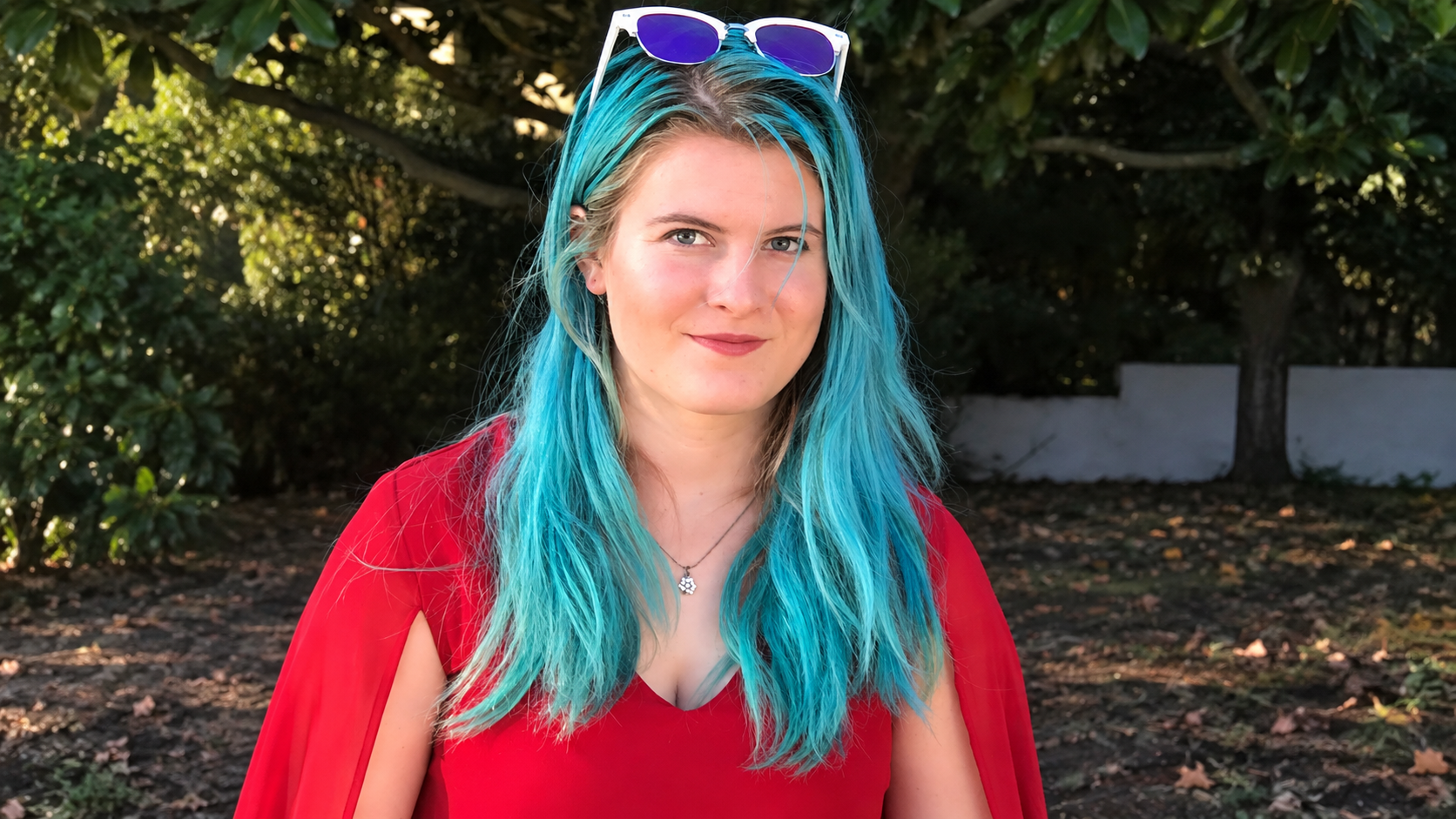
UBER ORDERED TO PAY $40M AFTER 23-YEAR- OLD PASSENGER WAS LEFT ON CALIFORNIA FREEWAY AND KILLED
When we tap a button to summon a ride, we enter into a silent contract of trust. We assume that the person behind the wheel, vetted by a multi-billion-dollar tech titan, will at least deliver us to a sidewalk. But a harrowing case out of Southern California has shattered that illusion, resulting in a landmark $40 million arbitration award that Uber fought desperately to keep under wraps.
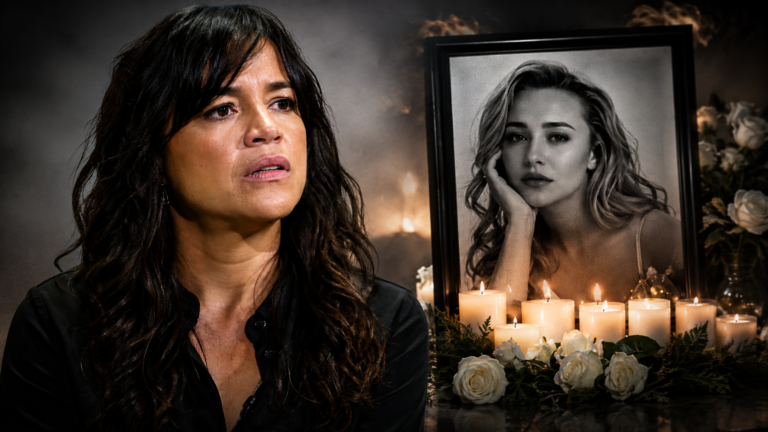
The tragedy unfolded in 2022, shortly after Emily Normandin-Parker graduated from UCLA. What began as a responsible night out ended in a nightmare on State Route 73 in Orange County. Emily and her friend, Luna Moore, were traveling in a vehicle driven by Vu Tran. When Moore became ill, the situation soured instantly. Rather than finding a lighted gas station or a safe shoulder, Tran pulled over at a “gore point”—the high-risk triangular patch of pavement where an off-ramp diverges from the main freeway.
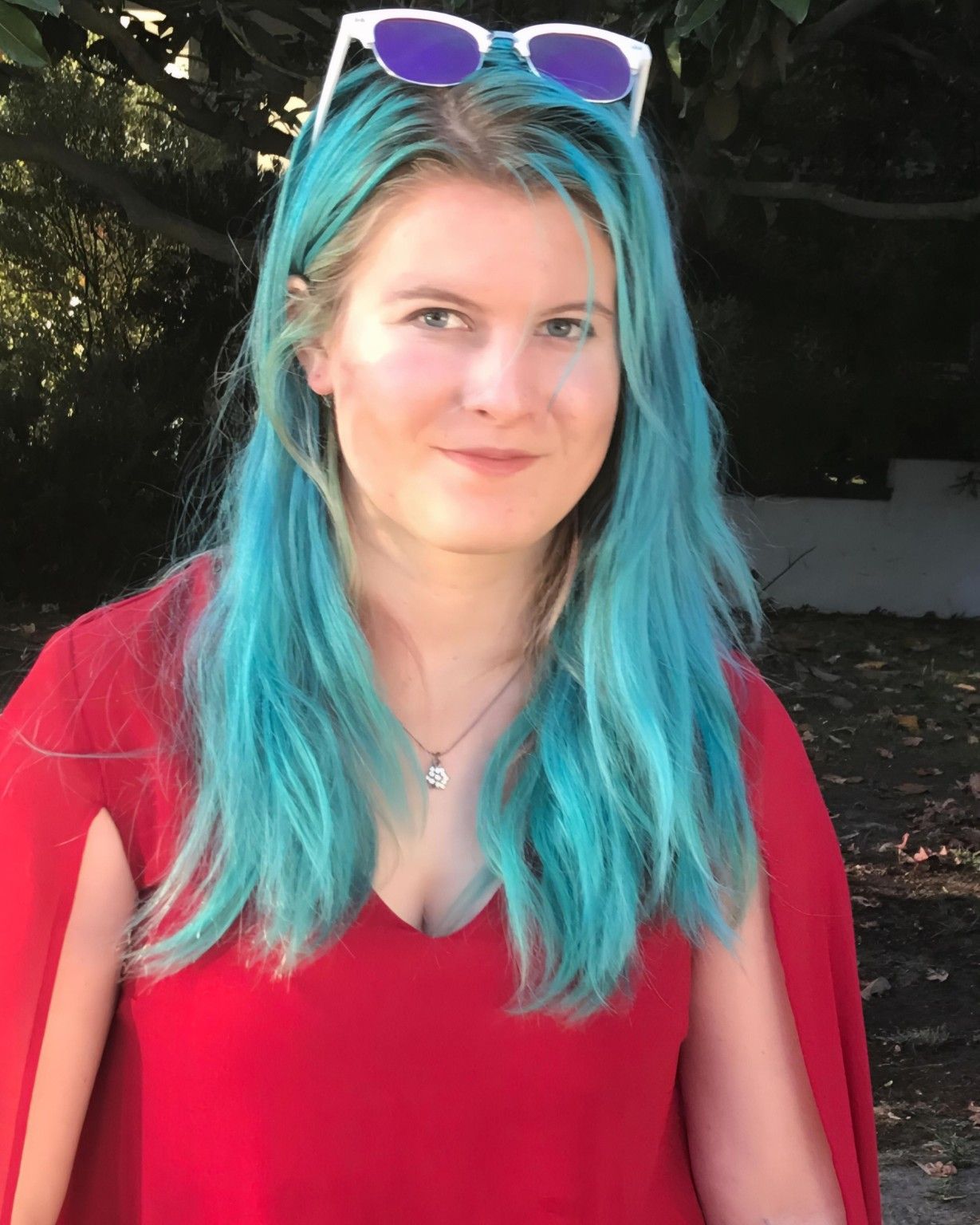
What happened next was a masterclass in negligence. Instead of assisting his passengers, Tran reportedly engaged in a heated dispute over a cleaning fee. The driver eventually forced the two intoxicated women out of the vehicle and into the darkness of a high-speed highway. As the argument continued, Emily wandered toward the traffic lanes. She was struck by a vehicle and killed. Perhaps most chillingly, GPS data later revealed that Tran drove past Emily’s body before exiting the freeway to call Uber—not to report an emergency, but to secure his cleaning payment.
This story, which reached its conclusion in 2026, highlights a recurring dark side of the gig economy. For years, ride-hailing platforms have shielded themselves from liability by claiming they are merely software providers, not transportation companies. They argue that drivers are independent contractors, a legal distinction fortified in California by Proposition 22. However, retired Judge Richard A. Stone, acting as the arbitrator, dismantled this defense. He ruled that Uber acts as a “common carrier,” meaning it owes a heightened duty of care to its passengers regardless of its digital-first business model.
The background of the driver involved adds a layer of systemic failure to the tragedy. During the proceedings, it surfaced that Tran was not a “five-star” anomaly. Uber had previously received scathing complaints about his behavior behind the wheel. One former rider noted he “cannot drive,” while others described him driving the wrong way on one-way streets and nearly hitting pedestrians. Despite these red flags, he remained on the platform, a fact that Emily’s parents, Carol Normandin and Ken Parker, point to as evidence that the company prioritizes volume and profit over basic rider safety.
Public reaction to the $40 million award has been a mix of vindication and horror. While the sum is massive—split evenly between Emily’s parents—the details of Uber’s post-verdict behavior have sparked fresh outrage. The family’s legal team revealed that the tech giant attempted to gag the parents, offering the payout under the condition of strict non-disparagement agreements and threatened $10 million penalties for speaking negatively about the brand. The parents refused to be silenced, choosing instead to launch the Emily Normandin-Parker Foundation to advocate for better safety protocols and corporate transparency.
This ruling could signal a shift in how “Big Tech” handles passenger safety. While Uber claims it has updated its guidance to prevent unsafe drop-offs, the legal precedent set here suggests that apps can no longer hide behind their terms of service when a driver’s negligence turns fatal. Judge Stone was blunt in his assessment, calling Tran’s testimony “incredible and unbelievable” and noting the driver showed more concern for his upholstery than for the lives of the young women he abandoned.
As the ride-hail industry continues to expand into grocery delivery and teen-focused services, the “independent contractor” shield is thinning. For Emily’s family, the money is secondary to the message. They described their daughter as a woman whose laugh was contagious and whose singing voice could fill a room. They are now using their platform to ensure that no other family has to receive a phone call because a driver decided a cleaning fee was worth more than a human life.