DUTCH NURSING HOME LET STUDENTS LIVE RENT-FREE AS NEIGHBORS
A Dutch retirement home let university students live in small apartments rent-free, as long as they spent at least 30 hours a month acting as “good neighbors” to the older residents. The program ran at Humanitas in Deventer, Netherlands, and PBS NewsHour profiled it on April 5, 2015, describing it as a project aimed at warding off the negative effects of aging.
Humanitas head Gea Sijpkes used the “good neighbors” phrase in an email to PBS NewsHour. Her pitch for what the students offered was simple: “The students bring the outside world in, there is lots of warmth in the contact.”
The idea came from a student. Onno Selbach wrote to Sijpkes to complain about the noise and poor conditions in school housing, she wrote back, and the two began talking and designed the exchange together.
What the students actually did
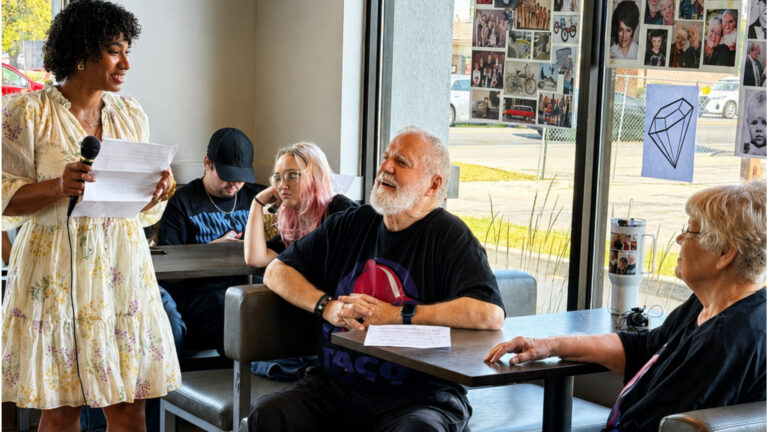
When PBS reported on it, six students from the nearby universities Saxion and Windesheim shared the building with about 160 seniors. The students could come and go as they pleased, with one house rule: do not be a nuisance to the elderly.
Sijpkes joked that this was not a hard ask, since most of the older residents were hard of hearing.
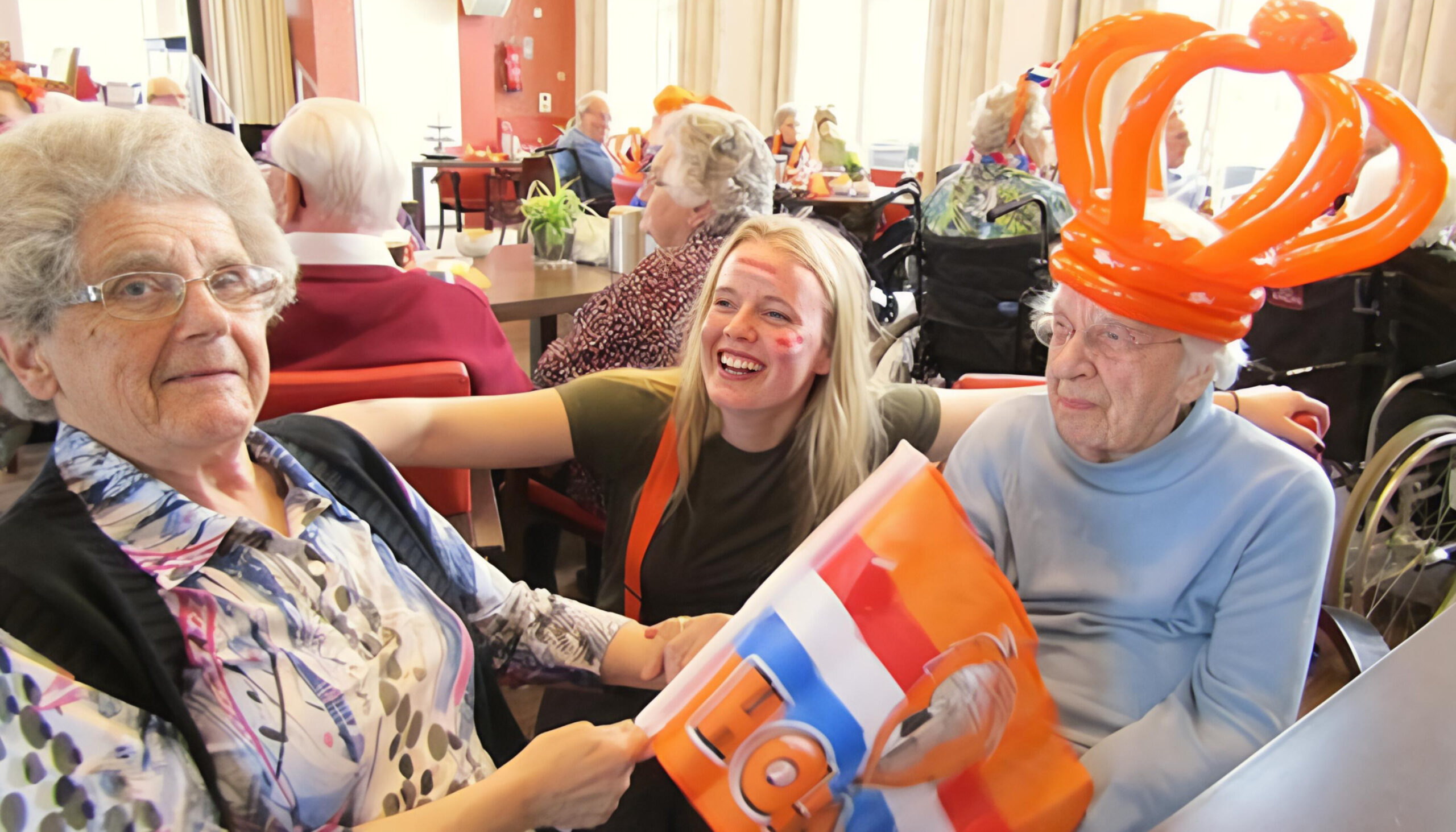
The “neighbor” duties were casual. Students watched sports with residents and celebrated their birthdays. Perhaps most important, they kept seniors company when they fell ill, which officials said helped fight feelings of disconnection.
That mattered because loneliness is not just sad. PBS cited a 2012 report from the National Academy of Sciences of the United States of America that linked both social isolation and loneliness in older men and women to increased mortality.
The Atlantic reported that the students also helped residents with email, social media and Skype, and even drawing graffiti. The Atlantic published that account on October 5, 2015.
The setup was volunteer work rather than paid employment, Nonprofit Quarterly reported. The Independent reported that the students lived in rooms on six floors, among the elderly residents, with no fixed length of stay. Sijpkes told the paper the students “decide at what time they come home at night,” as long as residents are not disturbed.
The 30 hours were not really counted
SBS News followed one pairing in 2016. Student Jordi Pronk spent time with Joke Kerdijk, an 86-year-old resident, and the two sang, played music and talked together.
SBS also noted that the headline number was looser than it sounded. “The 30 hours of voluntary work is just a matter of speech, as those 30 hours are not monitored,” the outlet reported.
Sijpkes was also clear about what the students were not. In a statement reported by Good Good Good, she said “the students are not caregivers.”
Where it went from there
The Humanitas model spread. Shareable reported that two more senior-care homes in the Netherlands had adopted it by January 10, 2018.
Humanitas itself kept looking for new versions. In the statement quoted by Good Good Good on May 7, 2025, Sijpkes, who is director of WZC Humanitas, said the home planned a “Woonstudent 2.0” program that would pair seniors and students as roommates. Of the original goal, she said: “It started with the idea of becoming the warmest home for seniors in Deventer.”