TURKISH PREACHER: BEARDLESS MEN CAN BE MISTAKEN FOR WOMEN
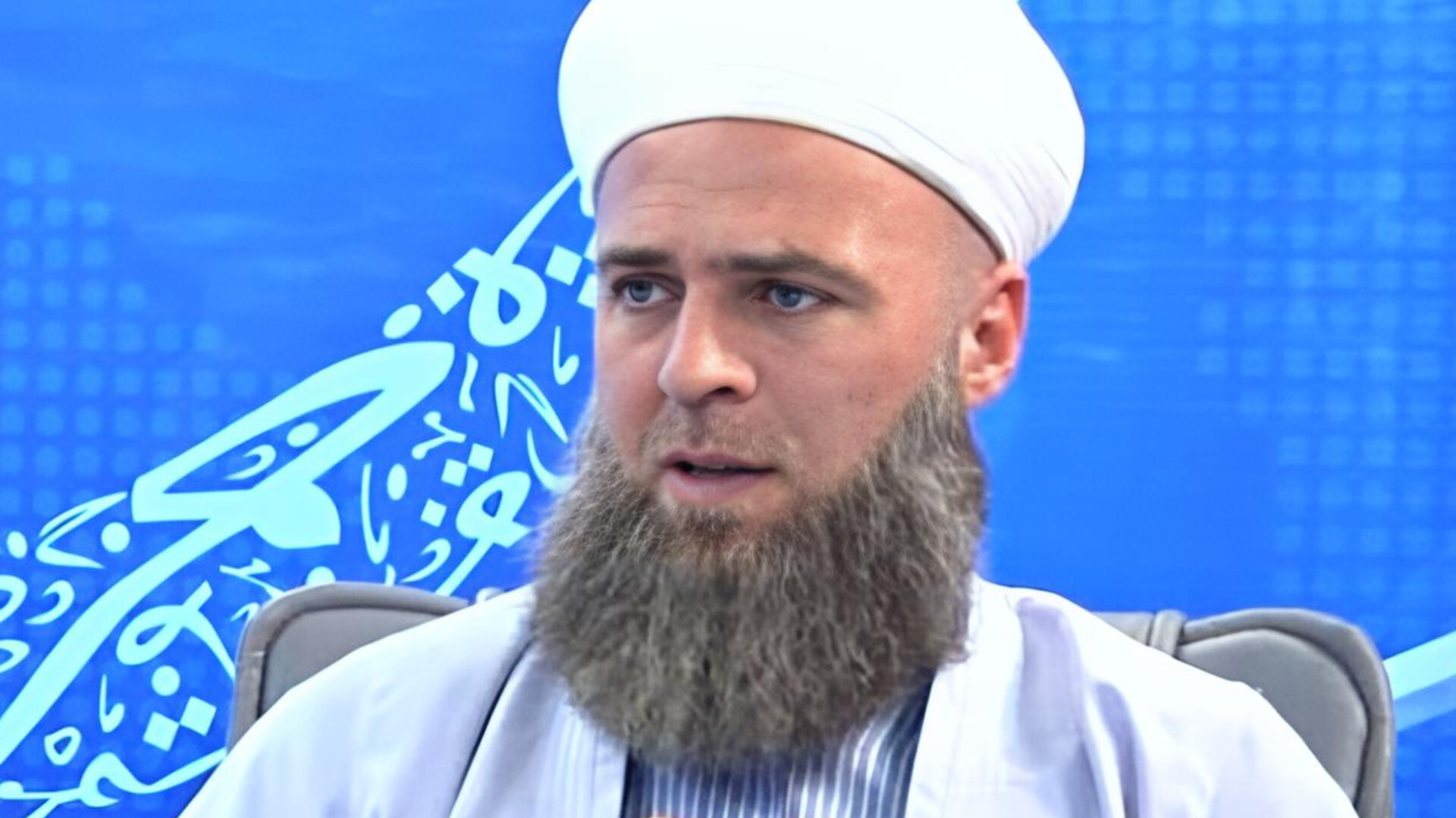
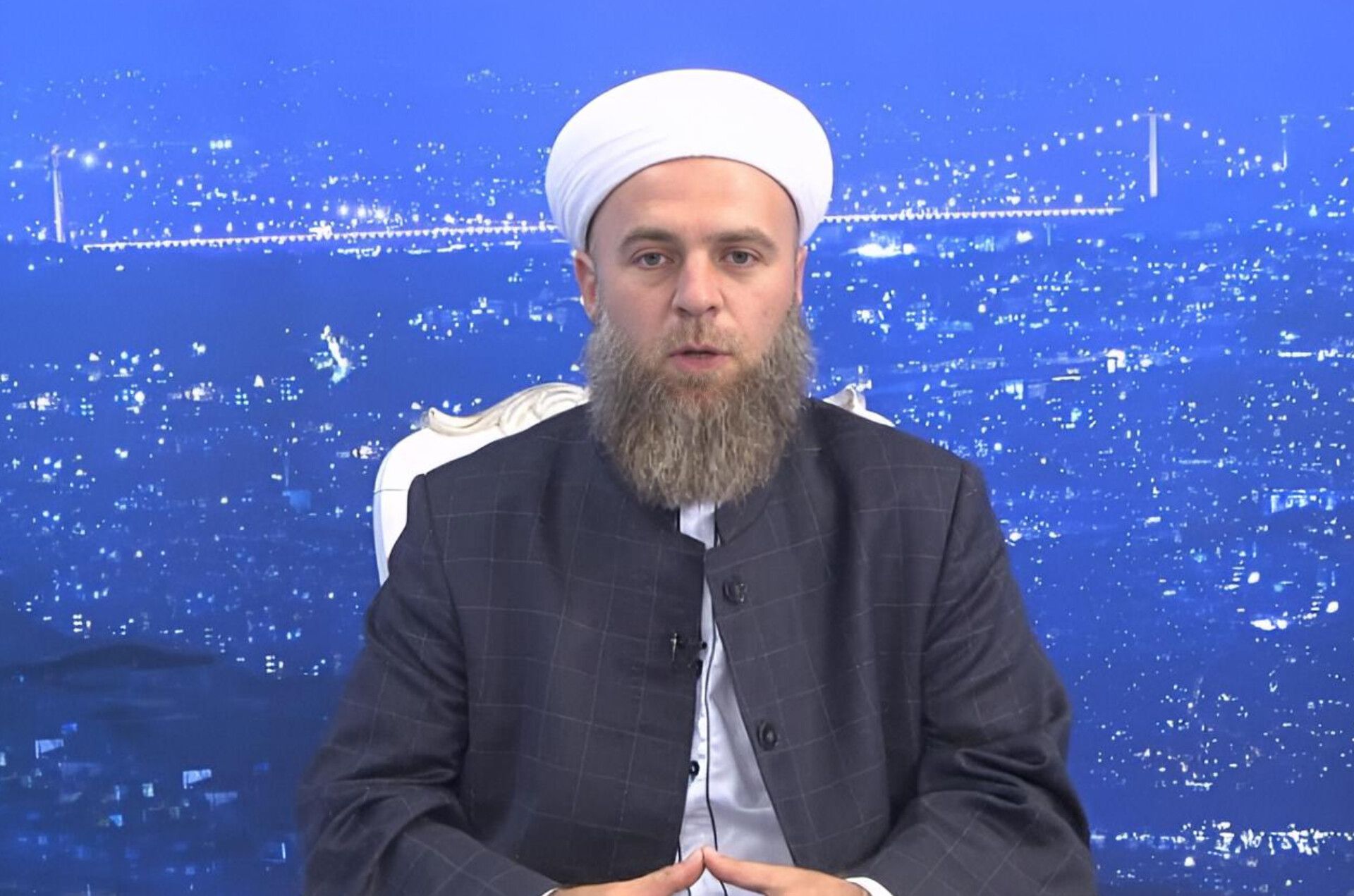
Turkish Islamic preacher Murat Bayaral told viewers of a private religious TV channel on December 16, 2017, that men should grow beards because a long-haired man without one can be mistaken for a woman from a distance. He warned that the mix-up could lead to “indecent thoughts,” and his comments drew a backlash, Hürriyet Daily News reported.
Bayaral was speaking on Fatih Medreseleri TV, a station whose name translates to Madrasahs TV. Hürriyet’s Istanbul-datelined report said he “blasted” beardless men, and RT described him as saying clean-shaven men “cannot be distinguished from women.”
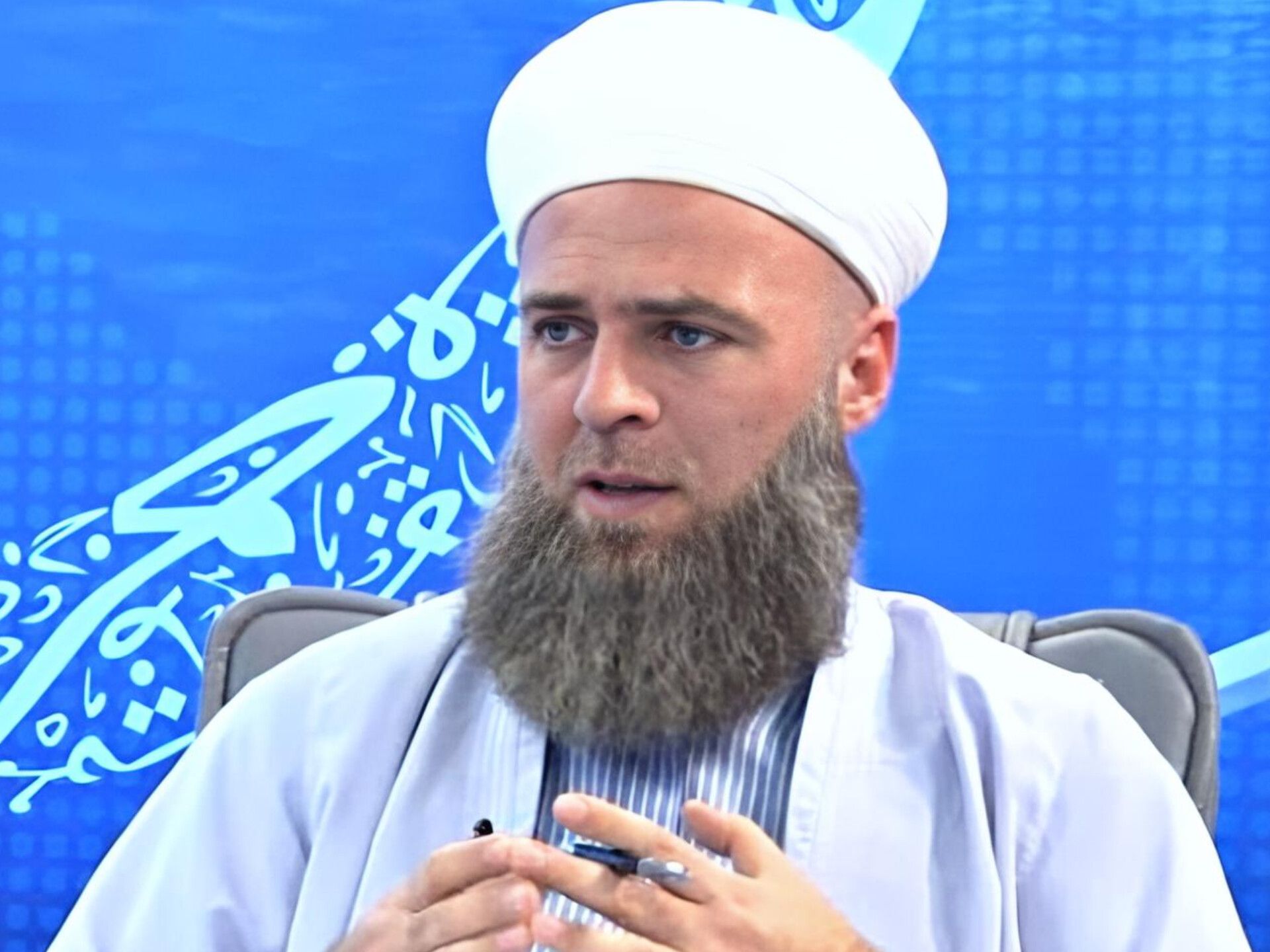
His message was simple.
“Men should grow beards. One of the two body parts that separate men from women is the beard.”
Then came the example, and this is where it got attention.
“For example, if you see a man with long hair from afar you may think he is a woman if he does not have a beard. Because nowadays women and men dress similarly. God forbid! You could be possessed by indecent thoughts.”
So in Bayaral’s telling, the problem was not only the missing beard. It was also that men and women now dress alike, which leaves the beard doing most of the work of telling the two apart. A clean-shaven man with long hair, he suggested, was a hazard to the eyes of any passerby.
The Spanish-language outlet Infobae picked up the same remarks on December 19, also quoting Bayaral saying such men cannot be distinguished.
Why the beard matters to some Muslims
Newsweek described the beard as a symbol often associated with devout Muslim men. Some Muslims grow one to emulate the Prophet Muhammad, who is believed to have worn a beard.
That practice rests on Hadith, the sayings attributed to the Prophet that have been handed down through generations. Newsweek also reported that many Islamic scholars consider growing a beard non-obligatory and say the Quran does not explicitly require it.
That context matters, because Bayaral was not describing a minor custom. He was presenting facial hair as something that marks the line between the sexes, and he treated its absence as a risk to the people looking at you.
The backlash
Bayaral’s comments drew a backlash. The Express Tribune reported that Magdalena Kirchner, a fellow at the Istanbul Policy Center, told Newsweek: “Turkish debates on piety and modesty reoccur frequently.”
Kirchner’s point was that arguments like this one were nothing new in Turkey.
The preacher had one more piece of advice for the men watching. According to Hürriyet, he said a man does not need to get his wife’s permission before shaving off his beard. Infobae carried the same remark.
Bayaral’s comments on Fatih Medreseleri TV on December 16, 2017, remain the sum of what was reported. Hürriyet Daily News described them as having drawn a backlash.